DA
Daniel A. Richards
Heart Failure / Cardiomyopathy
British Heart Foundation
About
Daniel A. Richards works in Heart Failure / Cardiomyopathy affiliated with British Heart Foundation.
Daniel A. Richards is a researcher affiliated with King's College London British Heart Foundation Centre of Excellence. His work focuses on cardiac physiology, including fibrosis, hypertrophy, and heart failure. He has previous affiliations with Tufts Medical Center.
Research focus
Cardiac fibrosis and remodelingNADPH oxidase-2 in heart failureCardiac hypertrophy and diastolic dysfunctionNitric oxide and endothelin signalingMouse models of heart disease
Impact
28 pubs · 1,041 cites · h-index 16
Training
PhD
King's College London
2017
Affiliations
Work Experience
Researcher
King's College London
Researcher
Tufts Medical Center
Publications
preclinical
DEC 2024ZoccaratoCardiovascular Research
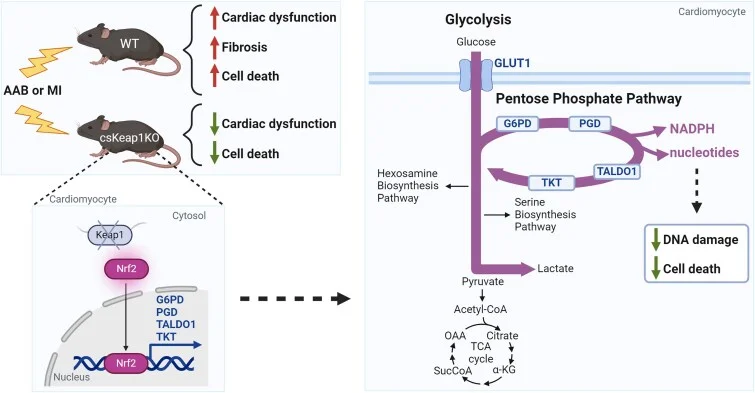
Cardiomyocyte NRF2 activation redirects glucose flux and mitigates stress-induced cardiac dysfunction.
Does not support clinical use; extends NRF2 evidence to PPP metabolic protection in stressed mouse hearts.
Original Research
MAY 2023ZoccaratoKing's College London
NRF2 activation in the heart induces glucose metabolic reprogramming and mediates cardioprotection via upregulation of the pentose phosphate pathway
Rationale The transcription factor NRF2 is well recognized as a master regulator of antioxidant responses and cytoprotective genes. Previous studies showed that NRF2 protects mouse hearts during chronic hemodynamic overload at least in part by reducing oxidative stress. Evidence from other tissues suggests that NRF2 may modulate glucose intermediary metabolism but whether NRF2 has such effects in the heart is unclear. Objective To investigate the role of NRF2 in regulating glucose intermediary metabolism and cardiac function during disease stress. Methods and Results Cardiomyocyte-specific Keap1 knockout (csKeap1KO) mice, deficient in the endogenous inhibitor of NRF2, were used as a novel model of constitutively active NRF2 signaling. Targeted metabolomics and isotopomer analysis were employed in studies with 13 C 6- glucose in csKeap1KO and wild-type (WT) mice. Pharmacological and genetic approaches were utilized in neonatal rat ventricular cardiomyocytes (NRVM) to explore molecular mechanisms. We found that cardiac-specific activation of NRF2 upregulated key enzymes of the Pentose Phosphate Pathway (PPP), redirected glucose metabolism towards the PPP and protected the heart against pressure overload-induced cardiac dysfunction. In vitro , knockdown of Keap1 upregulated PPP enzymes and reduced cell death in NRVM subjected to chronic neurohumoral stimulation. These pro-survival effects were abolished by pharmacological inhibition of the PPP or silencing of the PPP rate-limiting enzyme glucose-6-phosphate dehydrogenase (G6PD). Knockdown of NRF2 in NRVM increased stress-induced DNA damage which was rescued by supplementing the cells with either NADPH or nucleosides, the two main products of the PPP. Activation of NRF2 also protected the heart against myocardial infarction-induced DNA damage, dysfunction, and adverse remodeling. Conclusions These results indicate that NRF2 regulates cardiac metabolic reprogramming by stimulating the diversion of glucose into the PPP, thereby providing cardiac protection during stress by generating NADPH and providing nucleotides to prevent stress-induced DNA damage.
Original Research
JUL 2021CalamarasJCI Insight
MLK3 mediates impact of PKG1α on cardiac function and controls blood pressure through separate mechanisms
cGMP-dependent protein kinase 1α (PKG1α) promotes left ventricle (LV) compensation after pressure overload. PKG1-activating drugs improve heart failure (HF) outcomes but are limited by vasodilation-induced hypotension. Signaling molecules that mediate PKG1α cardiac therapeutic effects but do not promote PKG1α-induced hypotension could therefore represent improved therapeutic targets. We investigated roles of mixed lineage kinase 3 (MLK3) in mediating PKG1α effects on LV function after pressure overload and in regulating BP. In a transaortic constriction HF model, PKG activation with sildenafil preserved LV function in MLK3+/+ but not MLK3-/- littermates. MLK3 coimmunoprecipitated with PKG1α. MLK3-PKG1α cointeraction decreased in failing LVs. PKG1α phosphorylated MLK3 on Thr277/Ser281 sites required for kinase activation. MLK3-/- mice displayed hypertension and increased arterial stiffness, though PKG stimulation with sildenafil or the soluble guanylate cyclase (sGC) stimulator BAY41-2272 still reduced BP in MLK3-/- mice. MLK3 kinase inhibition with URMC-099 did not affect BP but induced LV dysfunction in mice. These data reveal MLK3 as a PKG1α substrate mediating PKG1α preservation of LV function but not acute PKG1α BP effects. Mechanistically, MLK3 kinase-dependent effects preserved LV function, whereas MLK3 kinase-independent signaling regulated BP. These findings suggest augmenting MLK3 kinase activity could preserve LV function in HF but avoid hypotension from PKG1α activation.
preclinical · n=37
JAN 2021RichardsCirculation Heart Failure
CRD-733 treatment reversed existing LV hypertrophy (P<0.001) and significantly improved LV ejection fraction (P=0.009) compared with vehicle.
The novel PDE9 inhibitor CRD-733 reverses LV hypertrophy and improves cardiac function in a preclinical mouse model of pressure overload-induced heart failure.
preclinical
OCT 2020HarrisonArteriosclerosis Thrombosis and Vascular Biology
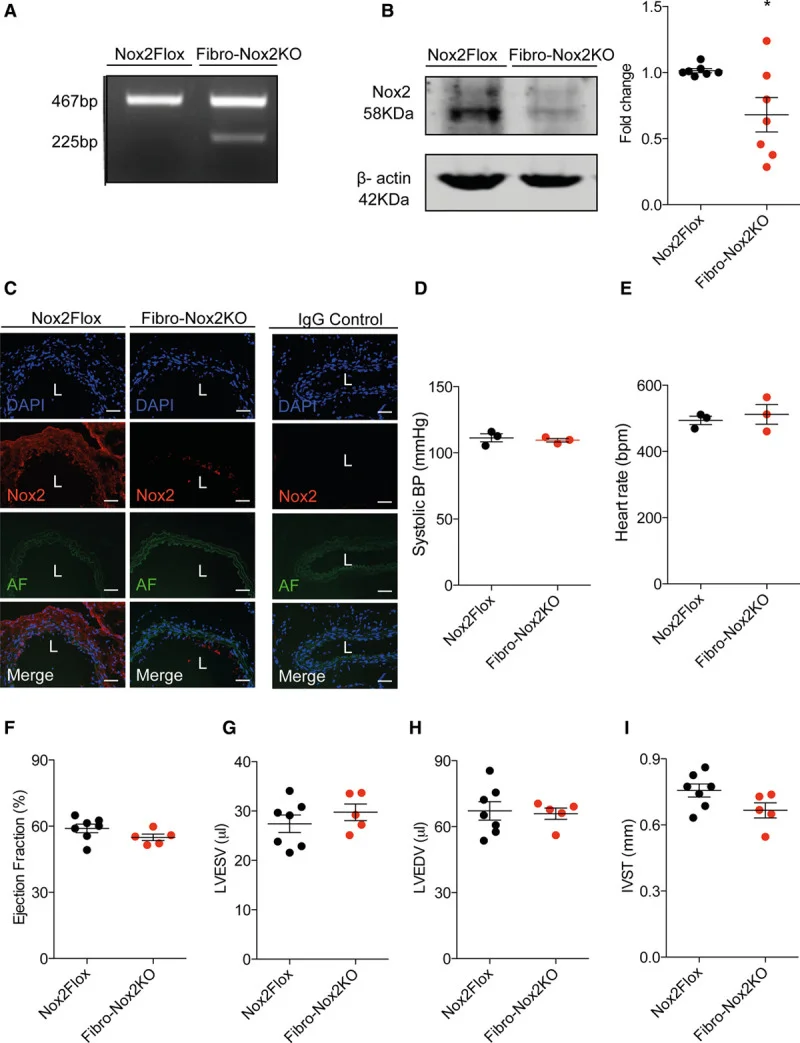
Fibro-Nox2KO mice showed a substantially reduced hypertensive response to ANG II infusion and significant attenuation of aortic and resistance vessel remodeling compared to control Nox2-Flox littermates.
Fibroblast Nox2 may drive ANG II hypertension and remodeling; hypothesis-generating for targeted therapies pending human validation.
Original Research
JUL 2020YasudaMolecular Therapy — Methods & Clinical Development
AAV2/6 Gene Therapy in a Murine Model of Fabry Disease Results in Supraphysiological Enzyme Activity and Effective Substrate Reduction
cDNA driven by a liver-specific expression cassette was evaluated in a Fabry mouse model that lacks α-Gal A activity and progressively accumulates Gb3 and Lyso-Gb3 in plasma and tissues. A detailed 3-month pharmacology and toxicology study showed that administration of a clinical-scale-manufactured AAV2/6 vector resulted in markedly increased plasma and tissue α-Gal A activities, and essentially normalized Gb3 and Lyso-Gb3 at key sites of pathology. Further optimization of vector design identified the clinical lead vector, ST-920, which produced several-fold higher plasma and tissue α-Gal A activity levels with a good safety profile. Together, these studies provide the basis for the clinical development of ST-920.
preclinical
DEC 2019SchnelleCardiovascular Research
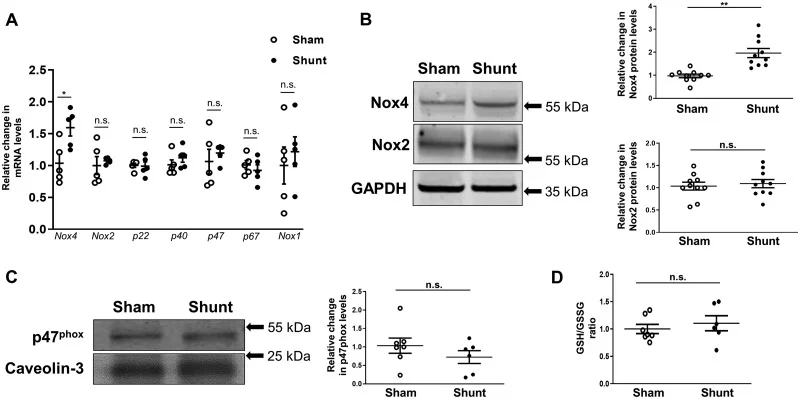
Nox4-/- mice developed less eccentric LV remodelling than WT mice after Shunt (echocardiographic relative wall thickness: 0.30 vs. 0.27, P < 0.05; increase in LV weight/tibia length ratio of 25% vs. 43%, P < 0.01).
Nox4 supports adaptive eccentric remodelling in volume overload; hypothesis-generating for targeted therapies pending human validation.
Original Research
APR 2019RichardsScientific Reports
Distinct Phenotypes Induced by Three Degrees of Transverse Aortic Constriction in Mice
Transverse aortic constriction (TAC) is a well-established model of pressure overload-induced cardiac hypertrophy and failure in mice. The degree of constriction "tightness" dictates the TAC severity and is determined by the gauge (G) of needle used. Though many reports use the TAC model, few studies have directly compared the range of resulting phenotypes. In this study adult male mice were randomized to receive TAC surgery with varying degrees of tightness: mild (25G), moderate (26G) or severe (27G) for 4 weeks, alongside sham-operated controls. Weekly echocardiography and terminal haemodynamic measurements determined cardiac remodelling and function. All TAC models induced significant, severity-dependent left ventricular hypertrophy and diastolic dysfunction compared to sham mice. Mice subjected to 26G TAC additionally exhibited mild systolic dysfunction and cardiac fibrosis, whereas mice in the 27G TAC group had more severe systolic and diastolic dysfunction, severe cardiac fibrosis, and were more likely to display features of heart failure, such as elevated plasma BNP. We also observed renal atrophy in 27G TAC mice, in the absence of renal structural, functional or gene expression changes. 25G, 26G and 27G TAC produced different responses in terms of cardiac structure and function. These distinct phenotypes may be useful in different preclinical settings.
preclinical · n=8
OCT 2018CalamarasAJP Heart and Circulatory Physiology
Genetic deletion of MLK3 in mice subjected to chronic pressure overload worsened cardiac dysfunction and increased left ventricular chamber size compared with wild-type littermates.
MLK3-JNK signaling emerges as a novel cardioprotective axis in pressure overload; leaves open therapeutic targeting in human heart failure.
preclinical
OCT 2017SchnelleJournal of Molecular and Cellular Cardiology
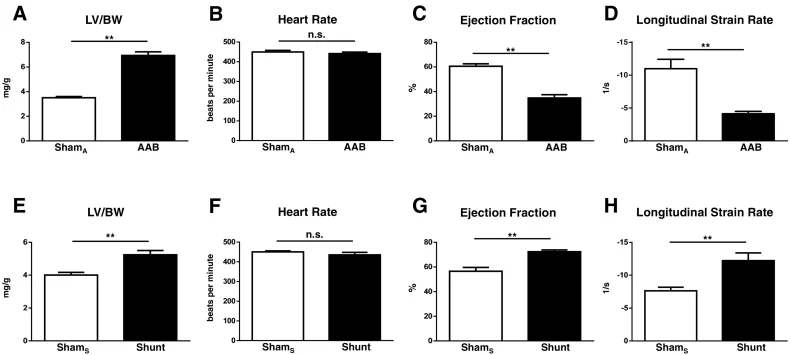
Combined measurement of left atrial area plus reverse longitudinal strain rate and/or IVRT provides an excellent overall assessment of diastolic function in the diseased mouse heart, allowing distinction between different types of pathophysiology.
Supports refined diastolic phenotyping in mouse disease models; leaves open translation to clinical echocardiography.
Original Research
JUL 2017BurgoyneHypertension
Proof of Principle for a Novel Class of Antihypertensives That Target the Oxidative Activation of PKG Iα (Protein Kinase G Iα)
Arterial hypertension continues to be a major health burden. Development of new antihypertensive drugs that engage vasodilatory mechanisms not harnessed by available therapies offer therapeutic potential. Oxidants induce an interprotein disulfide in PKG Iα (protein kinase G Iα) at C42, which is associated with its targeting and activation, resulting in vasodilation and blood pressure lowering. Consequently, we developed an assay and screened for electrophilic drugs that activate PKG Iα by selectively targeting C42, as such compounds have potential as novel antihypertensives with a mechanism of action that differs from current therapies. In this way, a drug that we termed G1 was identified, which targets C42 of PKG Iα to induce vasodilation of isolated resistance blood vessels and blood pressure lowering in a mouse model of angiotensin II-induced hypertension. In contrast, these antihypertensive effects were deficient in angiotensin II-induced hypertensive C42S PKG Iα knockin mice. These transgenic mice were engineered to have the reactive cysteinyl thiol replaced with a hydroxyl so that it cannot react with endogenous vasodilatory oxidants or electrophiles such as drug G1. These studies, therefore, provide validation of PKG Iα C42 as the target of G1, as well as proof-of-principle for a new class of antihypertensive drugs that have potential for further development for clinical use in humans.
preclinical
APR 2017AubdoolCirculation
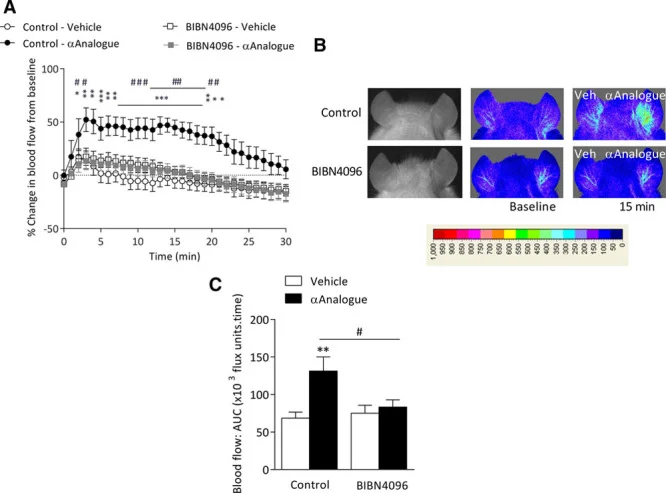
A novel stabilized α-CGRP analogue attenuated angiotensin II-induced hypertension and preserved heart function in a murine model of cardiac hypertrophy and heart failure.
No change to clinical practice indicated; leaves open whether stabilized α-CGRP analogues benefit patients with hypertension or heart failure.
preclinicalCirculation Highlight
MAR 2017SagCirculation
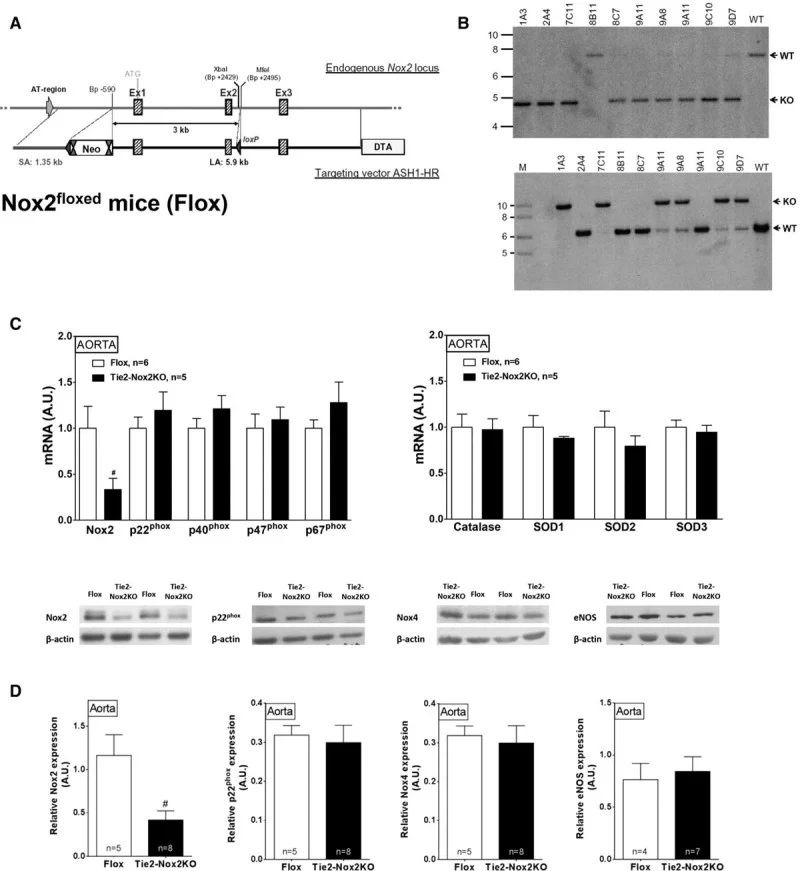
Nox2 deletion in myeloid cells significantly reduced basal blood pressure, whereas endothelial cell Nox2 deletion did not alter basal blood pressure but blunted angiotensin II-induced hypertension.
This study identifies distinct cell-specific roles for Nox2, with myeloid cell Nox2 modulating basal blood pressure and endothelial cell Nox2 regulating angiotensin II-induced hypertension.
preclinical
MAR 2013RichardsJournal of Applied Physiology
Isoproterenol stress-MRI did not correlate with exercise tolerance testing, despite reduced ejection fraction change under stress in MI (10.1%) and TAC (8.9%) mice vs sham (32.0%) at 4 weeks (P<0.001).
Isoproterenol stress-MRI may not surrogate exercise tolerance in murine HF; hypothesis-generating for non-cardiac contributors.