GV
Giancarlo Viberti
Preventive Cardiology
King's College London
About
Giancarlo Viberti works in Preventive Cardiology affiliated with King's College London.
Giancarlo Viberti is an Emeritus Professor of Diabetes at King's College London. He previously served as Professor of Diabetes and Metabolic Medicine at the same institution from 1975 to 2009. His research focuses on the renal and cardiovascular complications of diabetes, including studies on microalbuminuria as an early marker of renal involvement.
Research focus
Cardiovascular complications of diabetesHypertension management in diabetic patientsMicroalbuminuria and cardiovascular riskBlood pressure lowering for prevention of cardiovascular diseaseVascular complications in diabetes
Impact
283 pubs · 20,125 cites · h-index 73
Affiliations
Work Experience
Emeritus Professor of Diabetes
King's College London · 2009 - Present
Professor of Diabetes and Metabolic Medicine
King's College London · 1975 - 2009
Publications
meta-analysis · n=358,325
NOV 2025BidelEuropean Heart Journal
BP lowering reduces major cardiovascular events ~9% regardless of isolated diastolic hypertension status.
Pharmacological blood pressure lowering provides similar relative risk reductions for major cardiovascular events in patients with isolated diastolic hypertension compared to those without.
meta-analysis · n=358,707
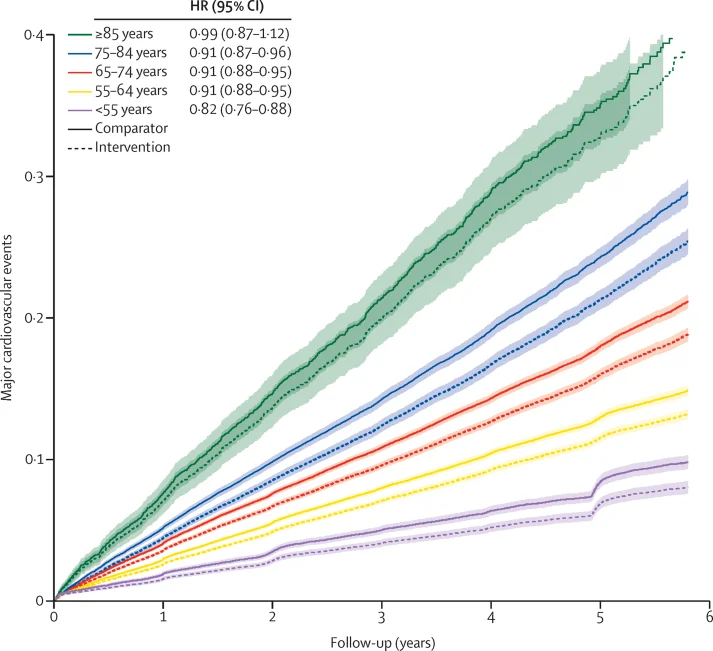
AUG 2021RahimiThe Lancet

BP-lowering medications prevent cardiovascular disease and death across all age and blood-pressure strata.
Pharmacological blood pressure reduction significantly lowers the risk of major cardiovascular events across age groups up to 84 years, regardless of baseline blood pressure down to <120/70 mm Hg, suggesting age-related thresholds should be removed from guidelines.
Meta-Analysis
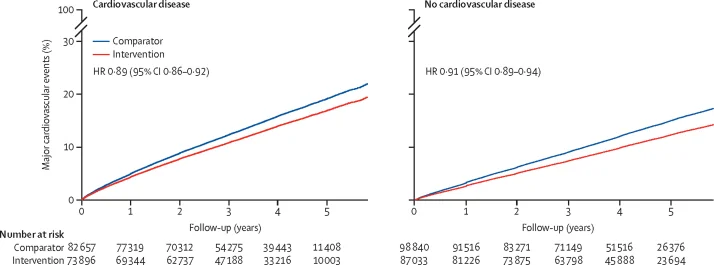
APR 2021RahimiThe Lancet
Pharmacological blood pressure lowering assessed for primary and secondary cardiovascular prevention across baseline levels.
Supports BP lowering for CV prevention irrespective of baseline BP or CVD history; extends evidence for uniform benefit in primary and secondary prevention.
Original Research
JUN 2019ScurtKidney International Reports
Systemic Inflammation Precedes Microalbuminuria in Diabetes
In patients with type 2 diabetes, elevated plasma levels of CXCL-16, angiopoietin-2, and TGF-β1 are independently predictive of microalbuminuria. Thus, these serum markers improve renal risk models beyond established clinical risk factors.
Original Research
OCT 2017ChatzikyrkouJournal of Hypertension
Predictors for the development of microalbuminuria and interaction with renal function
AIM: It is important to know which factors predict the development of microalbuminuria in patients with diabetes mellitus type II. MATERIAL: Data from the Randomized Olmesartan and Diabetes Microalbuminuria Prevention Study were used to identify predictors for the new onset of microalbuminuria. Furthermore, the interaction of baseline albuminuria and baseline estimated glomerular filtration rate (eGFR) and the effects of treatment with olmesartan were investigated. RESULTS: A total of 4447 patients were randomized to receive 40-mg olmesartan or placebo for a median of 3.2 years. Baseline urinary albumin-creatinine ratio (UACR) was the most important predictor of microalbuminuria, followed by age, weight, glycosylated hemoglobin type A1C, blood glucose, total cholesterol, SBP number of antihypertensive drugs and heart rate. The development of microalbuminuria was not affected by hemodynamic factors. The incidence of microalbuminuria increased from the lower to the higher UACR tertile at all baseline eGFR tertiles. The effects of olmesartan on prevention of new onset microalbuminuria were more obvious in those with the highest baseline UACR at all baseline eGFR tertiles. The eGFR declined more significantly in the olmesartan group (from 85.0 to 80.1 ml/min per 1.73 m), whereas the decrease in the placebo group was smaller (from 84.7 to 83.7 ml/min per 1.73 m). The highest rate of eGFR decline in the olmesartan group was in patients with the highest baseline eGFR (>95 ml/min per 1.73 m) at all baseline UACR tertiles. The transition from normoalbuminuria to microalbuminuria in the olmesartan treated patients was not accompanied by preservation of renal function. CONCLUSION: Predictors of new onset microalbuminuria are the classical cardiovascular risk factors. Microalbuminuria development was associated with baseline UACR but not baseline eGFR, whereas eGFR decrease after introduction of olmesartan was dependent on baseline eGFR but not on baseline UACR. The effects of olmesartan on microalbuminuria development and on eGFR decrease are probably mediated by different mechanisms.Clinical Trials.gov number, NCT00185159.
RCT
AUG 2017WijesuriyaBMC Medicine
Trimonthly lifestyle intervention yields ~11% lower cardiometabolic disease predictors vs annual advice in South Asians.
BACKGROUND: There is an increasing incidence of type 2 diabetes mellitus (T2DM) in young urban South-Asians. We tested the effect of a pragmatic trimonthly lifestyle modification (LSM) programme (P-LSM) versus a less-intensive 12-monthly control LSM (C-LSM) intervention on a primary composite endpoint of predictors of cardio-metabolic disease (new onset T2DM, hypertension, impaired glucose tolerance (IGT), impaired fasting glycaemia (IFG) and markers of cardio-renal disease) in participants aged 5-40 years with risk factors for T2DM. METHODS: This was a randomised controlled trial performed at the National Diabetes Centre, Sri-Lanka. We individually randomised 4672 participants at risk of T2DM, of whom 3539 (mean age 22.5 (range 6-40 years, 48% males) received either trimonthly (P-LSM n = 1726) or 12-monthly (C-LSM n = 1813) peer educator advice aimed at reducing weight, improving diet, reducing psychological stress and increasing physical activity. RESULTS: During a median follow-up of 3 years, the cumulative incidence of the primary endpoint was n = 479 in P-LSM (74 per 1000 person years) vs. 561 in C-LSM (96 per 1000 person years), with an incident rate ratio (IRR) of 0.89 (95% CI 0.83-0.96, P = 0.02). In post hoc analyses, new onset dysglycaemia (T2DM, IFG and IGT), was the major contributor to the composite and was significantly reduced by P-LSM (IRR 0.9, 95% CI 0.83-0.97, P = 0.01). A significant impact of P-LSM on the incidence of the composite endpoint was noted in 1725 participants (P-LSM n = 850, C-LSM n = 875) aged below 18; P-LSM n = 140 (48 per 1000 person years) versus C-LSM n = 174 (55.4 per 1000 person years), with an IRR of 0.83 (95% CI 0.73-0.94, P = 0.004). CONCLUSIONS: In a young at-risk South-Asian population, a pragmatic LSM programme significantly reduces the incidence of predictors of cardio-metabolic disease. Our results highlight the importance of early intervention in young at-risk subjects. TRIAL REGISTRATION: World Health Organization international clinical trial registry platform ( SLCTR/2008/003 ). Registration Date: March 28, 2008. Retrospectively registered.
cohort · n=211
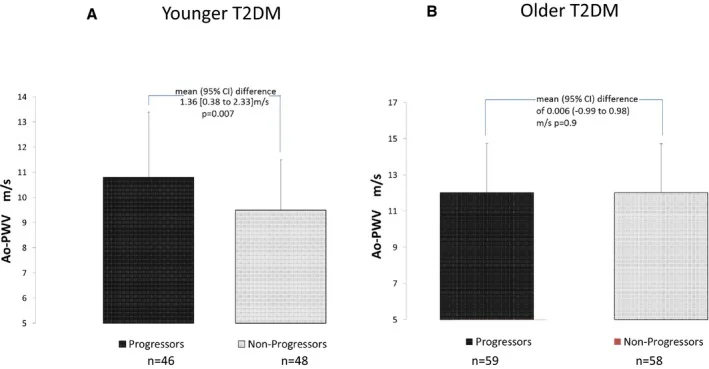
MAR 2017FountoulakisJournal of the American Heart Association
In younger patients (<60 years), Ao-PWV was an independent predictor of the primary end point (incident risk ratio, 1.09; 95% CI, 1.02-1.18, P=0.02).
May identify T2DM patients at higher renal risk; hypothesis-generating and requires validation before altering practice.
Original Research
JUN 2016GuessBritish Journal Of Nutrition
The effect of dietary changes on distinct components of the metabolic syndrome in a young Sri Lankan population at high risk of CVD
South Asian populations are predisposed to early onset of the metabolic syndrome. Lifestyle intervention programmes have demonstrated a reduction in the metabolic syndrome and CVD risk; however, the most effective components of the multi-faceted lifestyle interventions are unknown. We studied 2637 Sri Lankan males (n 1237) and females (n 1380), with a mean BMI of 23·9 (sd 4·2) kg/m2, aged 22·5 (sd 10·0) years, who had participated in a 5-year lifestyle-modification programme to examine the effect of dietary changes on distinct components of the metabolic syndrome. The dietary intervention comprised advice to replace polished starches with unpolished starches, high-fat meat and dairy products with low-fat products and high-sugar beverages and snacks with low-sugar varieties. For the purposes of this analysis, data from the control and intensive lifestyle groups were combined. Anthropometric and biochemical data were recorded, and a FFQ was completed annually. Multiple regression was used to determine the effect of the dietary changes on distinct components of the metabolic syndrome. The ratio unpolished:polished rice was inversely related to change in fasting glucose (β=-0·084, P=0·007) and TAG (β=-0·084, P=0·005) and positively associated with change in HDL-cholesterol (β=0·066, P=0·031) at the 5-year follow-up after controlling for relevant confounders. Red meat intake was positively associated with fasting glucose concentrations (β=0·05, P=0·017), whereas low-fat (β=-0·046, P=0·018) but not high-fat dairy products (β=0·003, P=0·853) was inversely related to glucose tolerance at the follow-up visit. Replacement of polished with unpolished rice may be a particularly effective dietary advice in this and similar populations.
RCT
NOV 2014RuilopeBMC Nephrology
Effects of the dual peroxisome proliferator-activated receptor-α/γ agonist aleglitazar on renal function in patients with stage 3 chronic kidney disease and type 2 diabetes: a Phase IIb, randomized study
BACKGROUND: Type 2 diabetes is a major risk factor for chronic kidney disease, which substantially increases the risk of cardiovascular disease mortality. This Phase IIb safety study (AleNephro) in patients with stage 3 chronic kidney disease and type 2 diabetes, evaluated the renal effects of aleglitazar, a balanced peroxisome proliferator-activated receptor-α/γ agonist. METHODS: Patients were randomized to 52 weeks' double-blind treatment with aleglitazar 150 μg/day (n=150) or pioglitazone 45 mg/day (n=152), followed by an 8-week off-treatment period. The primary endpoint was non-inferiority for the difference between aleglitazar and pioglitazone in percentage change in estimated glomerular filtration rate from baseline to end of follow-up. Secondary endpoints included change from baseline in estimated glomerular filtration rate and lipid profiles at end of treatment. RESULTS: Mean estimated glomerular filtration rate change from baseline to end of follow-up was -2.7% (95% confidence interval: -7.7, 2.4) with aleglitazar versus -3.4% (95% confidence interval: -8.5, 1.7) with pioglitazone, establishing non-inferiority (0.77%; 95% confidence interval: -4.5, 6.0). Aleglitazar was associated with a 15% decrease in estimated glomerular filtration rate versus 5.4% with pioglitazone at end of treatment, which plateaued to 8 weeks and was not progressive. Superior improvements in high-density lipoprotein cholesterol, low-density lipoprotein cholesterol and triglycerides, with similar effects on glycosylated hemoglobin were observed with aleglitazar versus pioglitazone. No major safety concerns were identified. CONCLUSIONS: The primary endpoint in AleNephro was met, indicating that in stage 3 chronic kidney disease patients with type 2 diabetes, the decrease in estimated glomerular filtration rate after 52 weeks' treatment with aleglitazar followed by 8 weeks off-treatment was reversible and comparable (non-inferior) to pioglitazone. TRIAL REGISTRATION: NCT01043029 January 5, 2010.
RCT · n=211
APR 2014ZeeuwJournal of the American Society of Nephrology

Compared with placebo, 0.75 mg and 1.25 mg atrasentan reduced urine albumin/creatinine ratios by an average of 35% (95% CI 24 to 45) and 38% (95% CI 28 to 47), respectively.
Atrasentan reduces residual albuminuria in type 2 diabetic nephropathy on maximal RAS inhibition; extends mixed prior evidence with RCT data.
cohort · n=1,758
MAR 2014MenneJournal of the American Heart Association

Diabetic retinopathy was significantly reduced in the former olmesartan group (0.9% vs 2.6%, OR 0.34, 95% CI 0.15-0.78, p=0.011), and congestive heart failure requiring hospitalization was also reduced (0.3% vs 1.4%, OR 0.23, 95% CI 0.06-0.85, p=0.027).
May suggest legacy benefit of prior olmesartan on retinopathy and HF hospitalizations; hypothesis-generating, requires RCT confirmation.
cohort · n=1,392
JAN 2014HoekmanClinical Journal of the American Society of Nephrology
Avosentan increased the risk of congestive heart failure compared to placebo (HR 2.76; 95% CI 1.68-4.54), and this risk was associated with early postrandomization increases in body weight.
Avosentan should be avoided in CKD due to heart failure risk; confirms fluid retention as a major safety issue for endothelin antagonists.
Clinical Trial
AUG 2013KarallieddeClinical Journal of the American Society of Nephrology
Effect of Renin-Angiotensin System Blockade on Soluble Klotho in Patients with Type 2 Diabetes, Systolic Hypertension, and Albuminuria
BACKGROUND AND OBJECTIVES: Soluble Klotho is an anti-aging phosphaturic protein associated with vascular-renal protection. In vitro and in vivo studies have demonstrated that renin-angiotensin system (RAS) blockade increases soluble Klotho levels. The effect of RAS blockers on soluble Klotho in patients with diabetic kidney disease (DKD) is unknown. DESIGN, SETTING, PARTICIPANTS, & MEASUREMENTS: Plasma-soluble Klotho was measured in a secondary analysis of a randomized controlled clinical trial performed at a single university hospital center (ClinicalTrials.gov number NCT001715, from March 2003 to September 2006). Seventy-six patients with type 2 diabetes and DKD (all with albuminuria and serum creatinine <1.7 mg/dl) were studied at baseline and at 24 weeks (study end) after randomization to valsartan/hydrochlorothiazide (n=37) or amlodipine (n=39) treatment. Aortic-pulse wave velocity by applanation tonometry and albuminuria (from three timed urine collections) were also measured at baseline and 24 weeks. RESULTS: Valsartan/hydrochlorothiazide treatment significantly increased mean (± SD) soluble Klotho (from 432.7 ± 179 to 506.4 ± 226.8 pg/ml; P=0.01) and reduced serum phosphate (from 3.25 ± 1.18 to 2.60 ± 0.96 mg/dl; P=0.04) compared with amlodipine (from 430.1 ± 145.8 to 411.9 ± 157.6 pg/ml and from 2.94 ± 0.56 to 2.69 ± 1.52 mg/dl, respectively). There was a significant difference between treatment groups in soluble Klotho (mean 91.9 pg/ml; 95% confidence interval, 19.9 to 162) and serum phosphate levels (mean -0.68 mg/dl; 95% confidence interval, -0.15 to -1.33) with valsartan/hydrochlorothiazide treatment (P=0.03 and P=0.04, respectively). Attained BP was similar in the two groups and levels of soluble Klotho were not associated with aortic-pulse wave velocity and albuminuria, variables that fell significantly only with valsartan/hydrochlorothiazide. CONCLUSIONS: Treatment with a RAS blocker, valsartan, is associated with an increase in soluble Klotho, which may contribute to the BP-independent cardiorenal benefits of these drugs in DKD.
Original Research
NOV 2012ViswanathanClinical Journal of the American Society of Nephrology
Effect of Spironolactone and Amiloride on Thiazolidinedione-Induced Fluid Retention in South Indian Patients with Type 2 Diabetes
BACKGROUND AND OBJECTIVES: Thiazolidinediones (pioglitazone and rosiglitazone) induce renal epithelial sodium channel (ENaC)-mediated sodium reabsorption, resulting in plasma volume (PV) expansion. Incidence and long-term management of fluid retention induced by thiazolidinediones remain unclear. DESIGN, SETTING, PARTICIPANTS, & MEASUREMENTS: In a 4-week run-in period, rosiglitazone, 4 mg twice daily, was added to a background anti-diabetic therapy in 260 South Indian patients with type 2 diabetes mellitus. Patients with PV expansion (absolute reduction in hematocrit in run-in, ≥1.5 percentage points) entered a randomized, placebo-controlled study to evaluate effects of amiloride and spironolactone on attenuating rosiglitazone-induced fluid retention. Primary endpoint was change in hematocrit in each diuretic group versus placebo (control group). RESULTS: Of the 260 patients, 70% (n=180) had PV expansion. These 180 patients (70% male; mean age, 47.8 years [range, 30-80 years]) were randomly assigned to rosiglitazone, 4 mg twice daily, plus spironolactone, 50 mg once daily; rosiglitazone, 4 mg twice daily, plus amiloride, 10 mg once daily; or rosiglitazone, 4 mg twice daily, plus placebo for 24 weeks. Hematocrit continued to decrease significantly in control and spironolactone groups (mean absolute change, -1.2 [P=0.01] and -0.7 [P=0.02] percentage points, respectively), suggesting continued PV expansion. No change occurred with amiloride (mean change, 0.0 percentage points). Amiloride, but not spironolactone, was superior to control (mean hematocrit difference [95% confidence interval] relative to control, 1.27 [0.21-2.55] and 0.49 [-0.79-1.77] percentage points [P=0.04 and P=0.61], respectively). CONCLUSIONS: Prevalence of rosiglitazone-induced fluid retention in South Indian patients with type 2 diabetes is high. Amiloride, a direct ENaC blocker, but not spironolactone, prevented protracted fluid retention in these patients.
Original Research
MAR 2012HallerSurvey of Anesthesiology
Olmesartan for the Delay or Prevention of Microalbuminuria in Type 2 Diabetes
Haller, Hermann; Ito, Sadayoshi; Izzo, Joseph L. Jr; Januszewicz, Andrzej; Katayama, Shigehiro; Menne, Jan; Mimran, Albert; Rabelink, Ton J.; Ritz, Eberhard; Ruilope, Luis M.; Rump, Lars C.; Viberti, Giancarlo for the ROADMAP (Randomized Olmesartan and Diabetes Microalbuminuria Prevention) trial investigators Author Information
RCT · n=4,020
MAR 2012MenneJournal of Hypertension
Olmesartan delayed the time to onset of microalbuminuria by 25% compared to placebo in patients with type 2 diabetes and hypertension (HR 0.75; 95% CI 0.61-0.92; P=0.007).
Supports ARB use to prevent nephropathy in hypertensive type 2 diabetes; extends evidence for effects independent of BP reduction.
Cohort Study
APR 2011LachinClinical Journal of the American Society of Nephrology

Renal Function in Type 2 Diabetes with Rosiglitazone, Metformin, and Glyburide Monotherapy
BACKGROUND AND OBJECTIVES: In ADOPT (A Diabetes Outcomes Prevention Trial), initial monotherapy with rosiglitazone provided more durable glycemic control than metformin or glyburide in patients with recently diagnosed type 2 diabetes. Herein, we examine differences in albumin excretion, renal function (estimated GFR), and BP over 5 years between treatment groups. DESIGN, SETTING, PARTICIPANTS, & MEASUREMENTS: A total of 4351 recently diagnosed, drug-naïve patients with type 2 diabetes were treated and followed for up to 5 years with rosiglitazone, metformin, or glyburide and were examined with periodic assessments of albumin/creatinine ratio (ACR), modification of diet in renal disease (MDRD)-estimated GFR, and BP. RESULTS: The ACR rose slowly with metformin. It fell with rosiglitazone and less so with glyburide over the first 2 years, and then rose slowly over time. Estimated GFR (eGFR) with all therapies rose into the high normal range over the first 3 to 4 years, more so with rosiglitazone, and then declined, more so with glyburide. Systolic BP was stable over time, values with rosiglitazone being lower, and diastolic BP declined over time, more so with rosiglitazone than with metformin or glyburide. There was no difference among groups in the incidence of emergent albuminuria (ACR ≥30 mg/g), hypertension, or impaired eGFR (<60 ml/min per 1.73 m(2)). CONCLUSIONS: Over a 5-year period, initial monotherapy with rosiglitazone retards the rise of ACR compared with metformin, preserves eGFR compared with glyburide, and lowers BP relative to both comparators.
Original Research
MAR 2011KahnDiabetes

Rosiglitazone improves beta-cell function and insulin sensitivity more than metformin or glyburide.
OBJECTIVE: ADOPT (A Diabetes Outcome Progression Trial) demonstrated that initial monotherapy with rosiglitazone provided superior durability of glycemic control compared with metformin and glyburide in patients with recently diagnosed type 2 diabetes. Herein, we examine measures of β-cell function and insulin sensitivity from an oral glucose tolerance test (OGTT) over a 4-year period among the three treatments. RESEARCH DESIGN AND METHODS: Recently diagnosed, drug-naïve patients with type 2 diabetes (4,360 total) were treated for a median of 4.0 years with rosiglitazone, metformin, or glyburide and were examined with periodic metabolic testing using an OGTT. RESULTS: Measures of β-cell function and insulin sensitivity from an OGTT showed more favorable changes over time with rosiglitazone versus metformin or glyburide. Persistent improvements were seen in those who completed 4 years of monotherapy and marked deterioration of β-cell function in those who failed to maintain adequate glucose control with initial monotherapy. CONCLUSIONS: The favorable combined changes in β-cell function and insulin sensitivity over time with rosiglitazone appear to be responsible for its superior glycemic durability over metformin and glyburide as initial monotherapy in type 2 diabetes.
RCT · n=4,447
MAR 2011HallerNew England Journal of Medicine
Olmesartan delayed the onset of microalbuminuria compared to placebo (HR 0.77, 95% CI 0.63 to 0.94, P=0.01).
Supports olmesartan to delay microalbuminuria in normoalbuminuric type 2 diabetes; extends ARB evidence while flagging CV safety concerns in coronary disease.
review
NOV 2010KarallieddeJournal of the American Society of Nephrology
Clinical albuminuria is a valid surrogate endpoint for diabetic kidney disease, but albuminuria of any degree is unlikely to be causally related to diabetic cardiovascular disease.
May inform DKD trial endpoints; leaves open causal role of albuminuria reduction for diabetic CVD.