LancetDoherty et al.Observational Study
CF
Charlie Foster
Physical Activity and Health
University of Bristol
About
Research focus
Physical Activity and Health
Impact
380 pubs · 20,967 cites · h-index 70
Affiliations
Publications
SHILAP Revista de lepidopterologíaMurtagh et al.Review
Updating Ireland’s Physical Activity Guidelines: An Evidence-Based Approach Shaped by Professional and Public Input
Evidence-based guidelines enhance public health by promoting tailored physical activity messages for Irish citizens.
Sport Education and SocietyBrazier et al.Original Research
Implementation challenges of professional sport club-led health promotion in primary schools: a qualitative case study
Professional sport clubs and organisations (PSCOs) are effective settings for adults’ health promotion; however, little insight exists regarding their potential role in children’s health promotion. This research sought to explore the role, delivery, and challenges of PSCO health promotion projects delivered in primary schools located in Bristol, England. A qualitative case study methodology was followed, utilising semi-structured interviews and ethnographic observations. Three key themes were identified within our data: (1) PSCOs as more than ‘just’ PA providers; (2) the importance of partnership and multisectoral working; and (3) the challenges and practical considerations for monitoring and evaluation. Our findings suggest that PSCOs, primary schools, local authorities, and academics should explore how further collaboration and knowledge sharing can inform the delivery and evaluation practices of future health promotion projects in primary schools. Specifically, such collaboration could be used to co-develop project design, recruitment strategies and evaluation frameworks for PSCO health promotion projects.
Critical Public HealthAbrahams et al.Original Research
Stakeholder perceptions of the utility of SNA visuals in strengthening community-based health programmes
Non-communicable diseases [NCDs] are an ever-increasing burden globally. Community-based programmes [CBPs] have been identified as a cost-effective prevention and management strategy of NCDs. However, evidence for scaling up and sustaining CBPs remains limited. This study explores stakeholders’ perceptions of the utility of social network analysis (SNA) visuals, the systematic mapping of actors within a network, a growing but underexplored method to strengthen CBPs. Semi-structured interviews were conducted with 14 stakeholders of a complex community-based health programme in South Africa, in which an SNA study had previously taken place. Codebook thematic analysis within a realist paradigm was used to develop a practical understanding of the use of SNA visuals. Four topic summary themes were generated in the interviews: 1) who to include in the network boundary, 2) pros and cons of SNA visuals, 3) what SNA can ideally provide, and 4) use of a ‘live’ map. The findings indicate that, while it has its uses for helping to understand overall network structure, SNA visuals need substantial improvement to have utility in consideration of the constraints that many CBPs experience in conducting SNA research in low-resource settings. This research contributes to the development of a pragmatic ‘live’ mapping SNA approach to strengthen complex CBPs, particularly where resources for research may be low. Further exploration of this approach with participants across different types of CBPs is needed.
Ning et al.Original Research
Error Bounds Revisited, and How to Use Bayesian Statistics While Remaining a Frequentist
This paper demonstrates unique approaches to error bounds and interval estimation using Bayesian statistics, highlighting their implications in frequentist contexts.
Scandinavian Journal of Medicine and Science in SportsDibben et al.Review
Reporting of Accelerometry in Health Research: A Scoping Review of Current Guidance
The use of accelerometers in health research is ubiquitous, but reporting of methods for translating raw acceleration data into movement behavior estimates remains inconsistent. This scoping review aims to identify and summarize existing reporting guidance for accelerometer-based assessment of physical activity, sedentary behavior, and sleep in health research. We systematically searched seven bibliographic databases up to May 2024 for literature containing guidance on reporting of accelerometry results in health research. We assessed the methodological rigor of reporting guidance development using the AGREE II tool and EQUATOR Network's best-practice recommendations. A thematic synthesis categorized reporting guidance across four themes: (1) data collection, (2) data management and initial processing, (3) deriving movement behaviors from acceleration data, and (4) summary metrics. Searches retrieved 7739 records, from which 47 publications were included. Most applied evidence synthesis methods (76%), whilst others used consensus workshops or empirical research to generate reporting recommendations. Only 17% described stakeholder involvement, with limited descriptions of their role. We identified 380 items of reporting guidance, which were synthesized into 124 unique items. Reporting guidance was consistent for data collection, data management and initial processing, and variable derivation, but less so regarding which specific metrics to report. Existing reporting guidance for accelerometry in health research is extensive and wide in scope, but varies in methodological rigor and stakeholder involvement. A consolidated and systematically developed framework is needed to enhance the reproducibility and comparability of future accelerometer-based research, incorporating stakeholder engagement, consensus-driven methodology, and piloting to maximize uptake. PROSPERO Registration: CRD42021272228.
Church archaeology.FosterOriginal Research
Recent work at Meaux Abbey
Research employs documentary evidence and resistivity survey to uncover architectural development in Meaux Abbey, suggesting significant archaeological remains await exploration.
Counseling Outcome Research and EvaluationBurgin et al.Original Research
Flourishing Through Life Transitions: Intensive Longitudinal Observations of a Veteran Transition Program
Objective The authors of the present study assessed changes to veterans’ perceptions of well-being following participation in a military-to-civilian transition program, Flourishing Through Life Transitions (Flourishing), a two-week residential program designed to address well-being and career development for veterans transitioning from uniformed service.Method We administered assessments at baseline, upon program completion, and collected follow-up data at 6 wk and 6-months post completion. Among the 32 individuals enrolled in Flourishing, 22 participants completed the daily diary portion of the study, while 13 completed the follow-up repeated-measures assessments.Results Pilot data demonstrated statistically significant improvement in strengths self-efficacy and satisfaction with life. Scores for social connectedness, meaning in life, and stress also improved, but were not statistically significant. Results of the daily diary demonstrated positive trends in hope, well-being, and mindfulness.Conclusion Preliminary findings from this pilot study suggest the potential utility of Flourishing, providing feasibility for larger trails to confirm the results.
International Journal of Behavioral Nutrition and Physical ActivityMalkowski et al.Qualitative Study
Enablers and barriers to physical activity among older adults of low socio-economic status: a systematic review of qualitative literature
BACKGROUND: Understanding the factors influencing physical activity in older adults, and whether they vary according to socio-economic status (SES), could help to inform interventions that are effective in reducing inequalities and improving the quality of life of an ageing population. This systematic review aimed to synthesise the qualitative evidence on the modifiable enablers of, and barriers to, physical activity based on low-SES older adults' perspectives in the United Kingdom (UK). A secondary aim was to identify and summarise differences in physical activity enablers and barriers between older adults of low and high SES. METHODS: We searched five electronic databases from inception to December 2023 for studies conducted among UK-based, community-dwelling older adults aged 60+ years including qualitative methods, with results reported by SES. We excluded hospitalised or institutionalised participants. Risk of bias was assessed with the Mixed Methods Appraisal Tool, and framework synthesis was applied using the Capability, Opportunity, Motivation, and Behaviour (COM-B) model. RESULTS: Thirty studies were included in the review, of which five specifically examined inequalities in physical activity enablers and barriers. Low-SES older adults' physical capability was influenced by fitness, mobility, and general health, while their psychological capability was shaped by knowledge and behavioural regulation. Physical opportunity was characterised by safety, pedestrian infrastructure, access to physical activity opportunities and daily destinations, environmental quality, and aesthetics. Themes under social opportunity encompassed social support, social norms, social engagement, and dog ownership. Physical activity was motivated by reflective processes, such as outcome expectancies, self-efficacy, and attitudes, as well as automatic processes, including habits, lack of time, and enjoyment. Few studies investigated differences between participants of low and high SES, with those that did predominantly pointing to disparities in the physical or built environment. CONCLUSIONS: This meta-synthesis of qualitative literature identified a wide range of interacting factors influencing physical activity across socio-ecological and COM-B domains, underscoring whole-system interventions as a potential approach to stimulate meaningful and sustained change. Future research could report results by SES to enhance our understanding of inequalities and ensure that low-SES older adults are represented in the development and evaluation of interventions targeting improvements in physical activity.
International Journal of Behavioral Nutrition and Physical ActivityMalkowski et al.Meta-Analysis
Correlates and determinants of physical activity among older adults of lower versus higher socio-economic status: a systematic review and meta-analysis
BACKGROUND: Understanding socio-economic differences in the factors influencing physical activity among older adults is essential for developing comprehensive interventions. We aimed to quantify the associations of modifiable correlates and determinants on physical activity among older adults of lower versus higher socio-economic status in the United Kingdom. METHODS: In this systematic review and meta-analysis, we searched MEDLINE, Embase, Web of Science, Cochrane Central Register of Controlled Trials (CENTRAL), and Scopus from inception to December 2023, for peer-reviewed studies published in English, investigating associations between a modifiable factor as an independent variable and physical activity as a dependent variable, by socio-economic status (defined according to various area- and individual-level indicators, including neighbourhood deprivation, wealth or income, education, and occupational class), in samples of community-dwelling older adults aged 60+ years in the United Kingdom. Hospitalised and institutionalised populations were excluded. Random effects meta-analyses were performed separately for people of lower and higher socio-economic status. Risk of bias was assessed with the Mixed Methods Appraisal Tool. This study was registered with the International prospective register of systematic reviews (PROSPERO; CRD42022351708). RESULTS: range = 54.81-91.00%). Estimates were comparable among older adults of lower and higher socio-economic status, except for the presence of built physical activity facilities, access to walking and cycling infrastructure, and less smoking, which were positively associated with physical activity only among individuals of lower socio-economic status. CONCLUSIONS: Our results suggest researchers need to better understand discrepancies in the prevalence of the assessed correlates (e.g., fewer participants of lower socio-economic status reported good physical function) to inform policies that reduce inequalities in older adults' physical activity levels. However, most studies were cross-sectional. Future longitudinal and experimental research should gauge the suitability of these correlates as intervention targets.
Health Promotion InternationalBrazier et al.Qualitative Study
Stakeholders’ perceptions on the role of professional sports clubs in local community health promotion
Charitable arms of professional sports clubs and organizations (PSCOs) offer a range of health promotion (HP) programmes within communities, yet little is known about their role within approaches to HP, particularly from the view of key intersectoral partners. Our study explored the perceptions of the role of PSCOs within local approaches to HP from the perspective of multisectoral stakeholders in a southwest region of England. A qualitative single case study approach was implemented, undertaking semi-structured interviews (n = 23) with intersectoral stakeholders spanning the sport, public, voluntary, and health sectors. Findings suggest PSCOs were viewed as important organizations for provision of local HP due to their unique assets, such as stadia, branding, coaching staff and their presence within communities. However, their aims and objectives were unclear to stakeholders and often perceived as motivated by 'brand drivers' of the elite club, despite holding independent charitable status. Moreover, stakeholders were generally unaware of evaluation materials created by PSCOs and favoured the development of a co-produced evaluation framework for PSCOs. In conclusion, PSCOs should utilize existing community forums, networks, and working groups to better communicate organizational structure, aims, and provision amongst prospective partners. Better understanding of PSCOs structures and aims would support understanding of organizational readiness and requirements for future collaboration in intersectoral approaches to local HP. Moreover, local policymakers should consider how mutually beneficial partnerships with PSCOs could be formed, and how the unique assets, and reach, of PSCOs can be best utilized within intersectoral approaches to local HP.
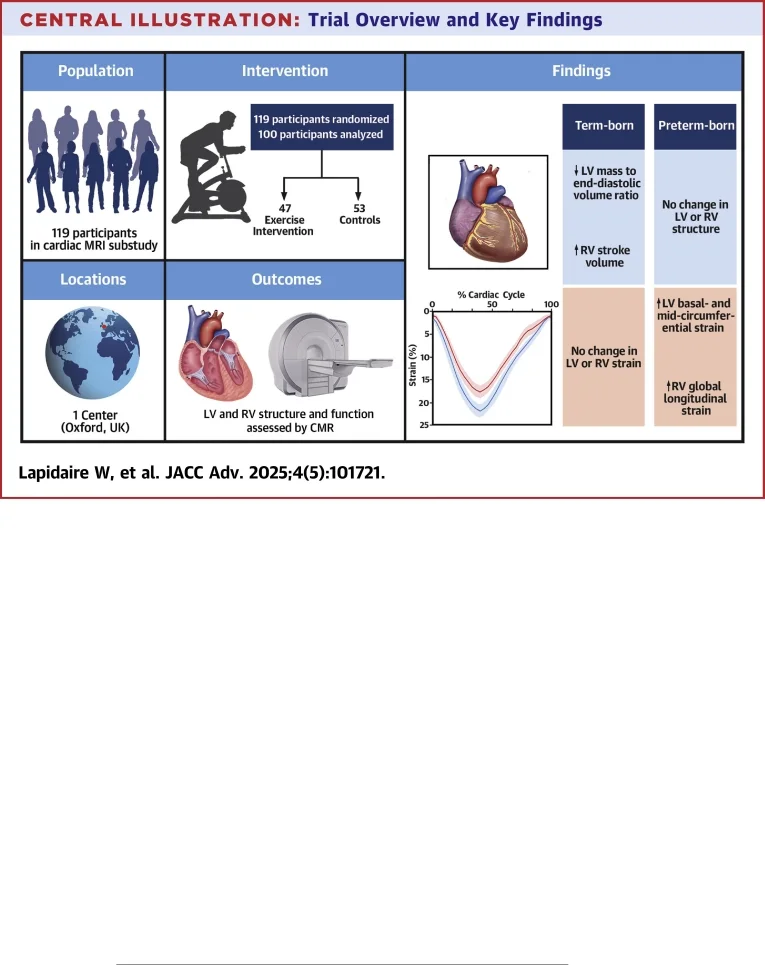
JACC AdvancesLapidaire et al.RCT
Aerobic exercise improves LV circumferential strain by ~1.5 points in preterm-born young adults without structural changes.
Aerobic exercise improves myocardial deformation without structural benefit in preterm-born adults; extends evidence of differential remodeling versus term-born peers.
Bioethics NewsFosterOriginal Research
King Lear in the upper palaeolithic: searching for ethical principles in prehistory
Ethics are concerned with maximising the thriving of individuals and societies. One cannot maximise the thriving of a person unless one has some idea about what sort of creature that person is. Ethics follow ontology. Many answers have been suggested to the question 'What is a human?' and the less fundamental question 'What are the defining attributes of a human'? Many of those answers are theological, and hint that the essence of a human is indefinable; that humans are unknowable, contradictory and mysterious. This article contends that, since behaviourally modern humans have been hunter-gatherers for an overwhelming proportion of their history, we are still foundationally hunter-gatherers, and that accordingly useful insights into our constitution can be gained by examining the quintessential characteristics of Upper Palaeolithic people. Those characteristics are wandering, a relationship with the non-human world, consciousness, story-telling and a consequential ethical sense, a metaphysical instinct, and an operating system based on symbolism and metaphors. Those characteristics (many of which overlap with the conditions of human thriving described by Martha Nussbaum) have ethical corollaries. The article builds on the work of Peter Hacker in contending that it is not only legitimate but necessary to derive ethics from biology and evolutionary history. Humans emerge from this examination, as they emerge from theological speculation and from the work of most creative artists, as unfathomable. The mysteriousness of humans is a reason for according them moral weight. The article suggests that ethicists should take the lead from creative artists, not vice versa.
International Journal of Environmental Research and Public HealthBrazier et al.Original Research
Where Do Professional Sports Clubs and Organisations Sit Within a Local Health Promotion System? A Social Network Analysis Study
Professional sports clubs and organisations (PSCOs) have been identified as effective organisations for health promotion (HP); however, their position and connectivity within local HP systems is largely unknown. Our research aimed to explore (i) who identifies PSCOs as a key partner within the delivery of local HP projects, (ii) who they collaborate with, and (iii) their perceived importance by network members. A social network analysis survey was completed by eighteen stakeholders within a South West region of England. Few organisations identified PSCOs as a key partner; however, influential organisations, such as the local authority, reported ties to them. Generally, PSCOs were not identified by network stakeholders as key organisations in the dissemination of HP knowledge or resources, such as project delivery or staffing. Limited relationships with voluntary and health sector organisations existed, and fostering such multisectoral relationships should be a priority for PSCOs in the future. PSCOs were not clearly integrated within the local HP system sampled and are siloed within their local HP activities and delivery. Future research and practice should explore how PSCOs' assets could be best utilised with local HP and contribute towards local and national health priorities.
Lapidaire et al.RCT
Aerobic exercise improves myocardial deformation but not LV structure in preterm-born adults, unlike term-born peers.
Exercise responses differ by birth history; extends evidence that preterm birth modifies adult cardiac plasticity to aerobic training.
International Journal of Behavioral Nutrition and Physical ActivityBai et al.Cross-Sectional Study
The impact of the world’s first regulatory, multi-setting intervention on sedentary behaviour among children and adolescents (ENERGISE): a natural experiment evaluation
BACKGROUND: Regulatory actions are increasingly used to tackle issues such as excessive alcohol or sugar intake, but such actions to reduce sedentary behaviour remain scarce. World Health Organization (WHO) guidelines on sedentary behaviour call for system-wide policies. The Chinese government introduced the world's first nation-wide multi-setting regulation on multiple types of sedentary behaviour in children and adolescents in July 2021. This regulation restricts when (and for how long) online gaming businesses can provide access to pupils; the amount of homework teachers can assign to pupils according to their year groups; and when tutoring businesses can provide lessons to pupils. We evaluated the effect of this regulation on sedentary behaviour safeguarding pupils. METHODS: With a natural experiment evaluation design, we used representative surveillance data from 9- to 18-year-old pupils before and after the introduction of the regulation, for longitudinal (n = 7,054, matched individuals, primary analysis) and repeated cross-sectional (n = 99,947, exploratory analysis) analyses. We analysed pre-post differences for self-reported sedentary behaviour outcomes (total sedentary behaviour time, screen viewing time, electronic device use time, homework time, and out-of-campus learning time) using multilevel models, and explored differences by sex, education stage, residency, and baseline weight status. RESULTS: Longitudinal analyses indicated that pupils had reduced their mean total daily sedentary behaviour time by 13.8% (95% confidence interval [CI]: -15.9 to -11.7%, approximately 46 min) and were 1.20 times as likely to meet international daily screen time recommendations (95% CI: 1.01 to 1.32) one month after the introduction of the regulation compared to the reference group (before its introduction). They were on average 2.79 times as likely to meet the regulatory requirement on homework time (95% CI: 2.47 to 3.14) than the reference group and reduced their daily total screen-viewing time by 6.4% (95% CI: -9.6 to -3.3%, approximately 10 min). The positive effects were more pronounced among high-risk groups (secondary school and urban pupils who generally spend more time in sedentary behaviour) than in low-risk groups (primary school and rural pupils who generally spend less time in sedentary behaviour). The exploratory analyses showed comparable findings. CONCLUSIONS: This regulatory intervention has been effective in reducing total and specific types of sedentary behaviour among Chinese children and adolescents, with the potential to reduce health inequalities. International researchers and policy makers may explore the feasibility and acceptability of implementing regulatory interventions on sedentary behaviour elsewhere.
PLoS ONEMalkowski et al.Cohort Study
Socio-economic inequalities in the breadth of internet use before and during the COVID-19 pandemic among older adults in England
Understanding digital exclusion in older adults during the COVID-19 pandemic could help tailor responses to future outbreaks. This cohort study used data from older adults aged 60+ years in England who participated in wave nine (2018/2019) of the main English Longitudinal Study of Ageing (ELSA) survey, and/or wave one of the ELSA COVID-19 sub-study (June/July 2020). Using latent class analysis and latent transition analysis, we aimed to identify distinct subgroups of older adults characterised by different patterns of internet use pre- and intra-pandemic, explore the extent to which individuals remained in the same subgroup or transitioned to a different subgroup during the COVID-19 pandemic, and examine longitudinal associations of socio-economic factors (education, occupational class, and wealth) with latent class membership. Preliminary tests showed that the types of internet activities differed between men and women; therefore, subsequent analyses were stratified by biological sex. Three clusters (low, medium, and high) were identified in male participants at both timepoints. Among female participants, three clusters were distinguished pre-pandemic and two (low versus high) during the pandemic. The latent classes were characterised by participants’ breadth of internet use. Higher education, occupational class, and wealth were associated with greater odds of membership in the medium and/or high classes, versus the low class, in men and women. A high degree of stability in latent class membership was observed over time. However, men experienced a stark decrease in online health information-seeking. Our results highlight that inequality regarding the range of functional and social opportunities provided by the internet prevailed during the pandemic. Policymakers should ensure that digital access and upskilling initiatives are equitable for all.
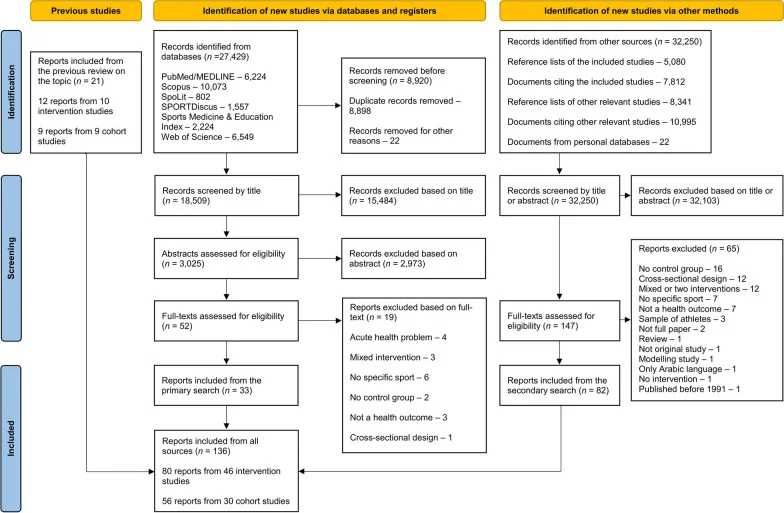
Sports Medicine - OpenOja et al.meta-analysis
Recreational cycling, running, and swimming linked to ~21% lower all-cause mortality in healthy adults.
May inform primary prevention counseling; extends observational meta-analyses on sport-specific mortality associations.
International Journal of Sport Policy and PoliticsBrazier et al.Review
Mapping the provision and evaluation practices of local community health and wellbeing programmes delivered by professional sports clubs in England: a practice-based targeted review
Professional sports clubs (PSCs) are potentially effective settings for health promotion; however, their role within policy is unclear. Potential reasons include lack of awareness about existing provision of health and wellbeing (H&W) programmes and adequacy of monitoring and evaluation (M&E) practices. This review aimed to: (i) map the provision of H&W programmes delivered by PSCs in the United Kingdom (UK), and (ii) explore current M&E practices of PSCs and consider the policy implications of this. Websites from eight professional sport leagues were hand-searched for programmes and impact reports. Suitable programmes were quantified, whilst impact reports were analysed via inductive documentary content analysis. Results identified 176 H&W programmes and 36 impact reports, as well as 43 H&W impact statements, but only 14 of these were aligned to specific H&W outcomes. The H&W aims of programmes were typically vague, measurement tools were rarely used, and evaluations were usually anecdotal case studies and based on engagement figures, which may not only limit the potential uptake of these programmes but also the relevance of PSCs to public policy. Further research is thus needed to build a stronger evidence base for the use of PSCs as vehicles of public health promotion and policy, and to better address the challenges faced when seeking to monitor and evaluate PSC programmes effectively.
BMJ Public HealthMalkowski et al.Cohort Study
Socioeconomic inequalities in physical activity among older adults before and during the COVID-19 pandemic: evidence from the English Longitudinal Study of Ageing
Introduction: The influence of the COVID-19 pandemic on physical activity behaviour in older adults is of particular concern. However, little is yet known about how pre-existing socioeconomic inequalities in older adults' physical activity have been affected by the COVID-19 pandemic. The aim of this study was to explore socioeconomic disparities in physical activity levels and change over time among older adults in England, using data collected before and during the COVID-19 pandemic. Methods: This longitudinal cohort study analysed data from 3720 older adults (aged 60+ years) who participated in wave 9 (2018/2019) of the main English Longitudinal Study of Ageing (ELSA) survey and wave 2 of the ELSA COVID-19 substudy (November/December 2020). Using multilevel ordinal logistic models, we investigated associations between socioeconomic variables (education, occupational class and wealth) and physical activity, adjusting for potential confounders. We also examined interactions between socioeconomic variables and time (prepandemic vs intrapandemic) to investigate changes in the magnitude of inequalities in physical activity across the two survey periods. Results: The proportion of participants considered 'inactive' rose from 5.7% before the COVID-19 pandemic to 12.5% in November and December 2020. Higher education, occupational class and wealth were positively associated with physical activity before the lockdown. These socioeconomic disparities generally persisted during the COVID-19 pandemic. There was some evidence that differences in physical activity based on education and occupational class reduced during the COVID-19 pandemic, relative to prepandemic data. However, these associations were no longer statistically significant when the three socioeconomic variables and their interactions with time corrected for one another (p>0.05). Conclusion: Our results suggest there was no additional influence of the COVID-19 pandemic on pre-existing socioeconomic inequalities in older adults' physical activity levels.