Devesh Rai
Interventional / Structural Cardiology
Unity Hospital
About
Devesh Rai works in Interventional / Structural Cardiology affiliated with Unity Hospital.
Devesh Rai, MD is a cardiologist at Rochester Regional Health / Unity Health System in Rochester, NY. His research focuses on outcomes following transcatheter aortic valve replacement, including same-day discharge and readmissions, as well as cardiology guidelines. He completed his MBBS in 2014 from Mohan Kumaramanagalam Medical College and Hospital.
Research focus
Transcatheter Aortic Valve Replacement (TAVR)Same-day discharge protocols post-TAVRHeart failure outcomes after TAVRCardiology guideline authorship and gender differencesCardiac imaging and diagnostics
Impact
170 pubs · 806 cites · h-index 17
Training
MBBS
Mohan Kumaramanagalam Medical College and Hospital
2014
Affiliations
Work Experience
Cardiologist
Rochester Regional Health / Unity Health System · 2021 - Present
Cardiology Fellow / Chief Resident
Rochester General Hospital · 2017 - 2021
Research Intern - General Internal Medicine
The University of Texas MD Anderson Cancer Center · 2016 - 2017
Publications
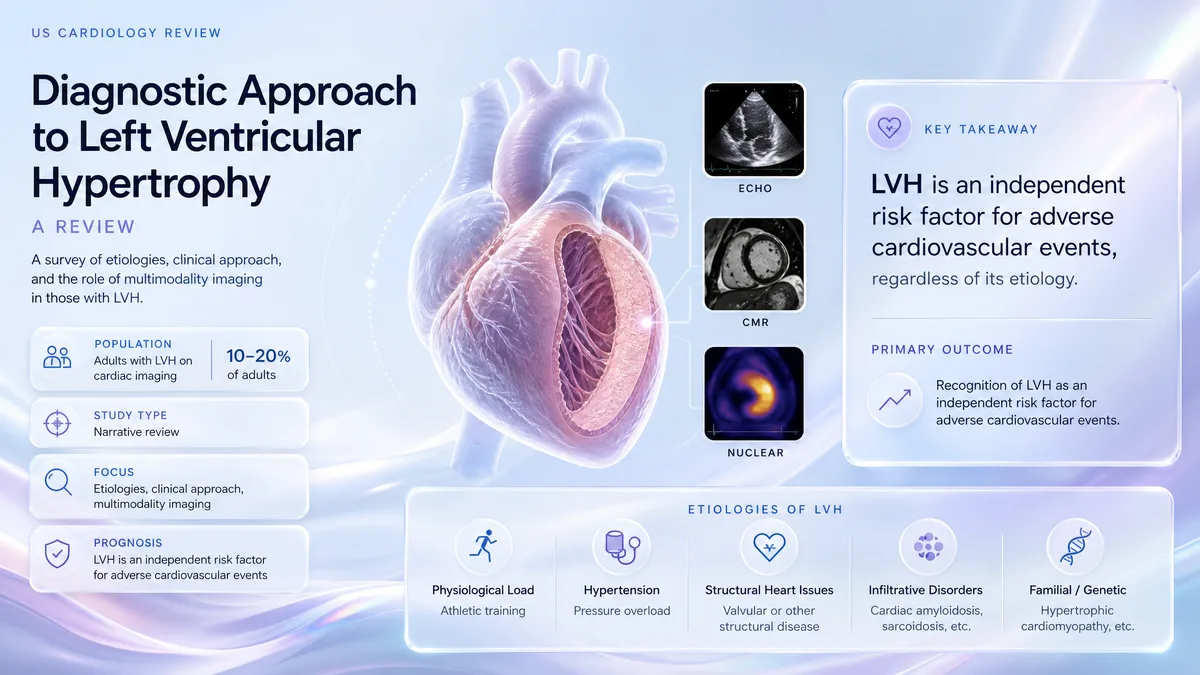
Review
MAY 25BanthiyaUS Cardiology Review
Diagnostic Approach to Left Ventricular Hypertrophy: A Review
Review explores causes and imaging strategies for left ventricular hypertrophy, indicating its significance for cardiovascular risk.
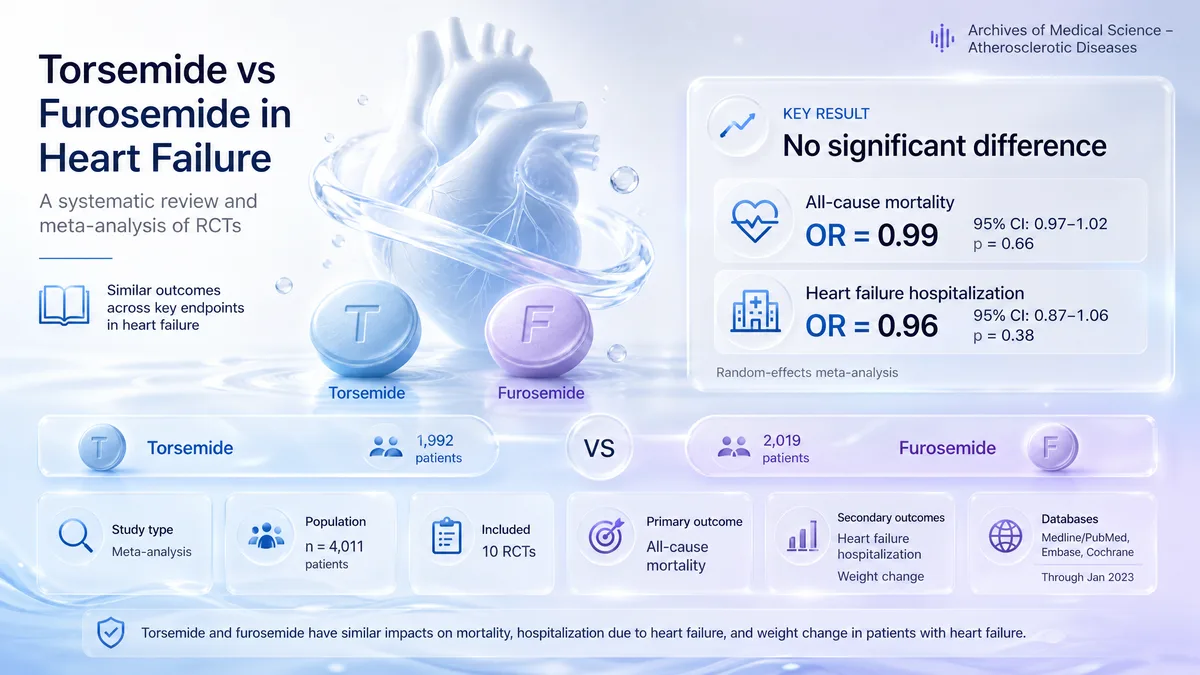
meta-analysis · n=4,011
MAR 30EidArchives of Medical Science - Atherosclerotic Diseases
Torsemide shows no benefit over furosemide for mortality or HF hospitalization.
Torsemide offers no mortality or hospitalization advantage over furosemide in HF; reinforces equivalence and supports either agent in practice.
Retrospective Study
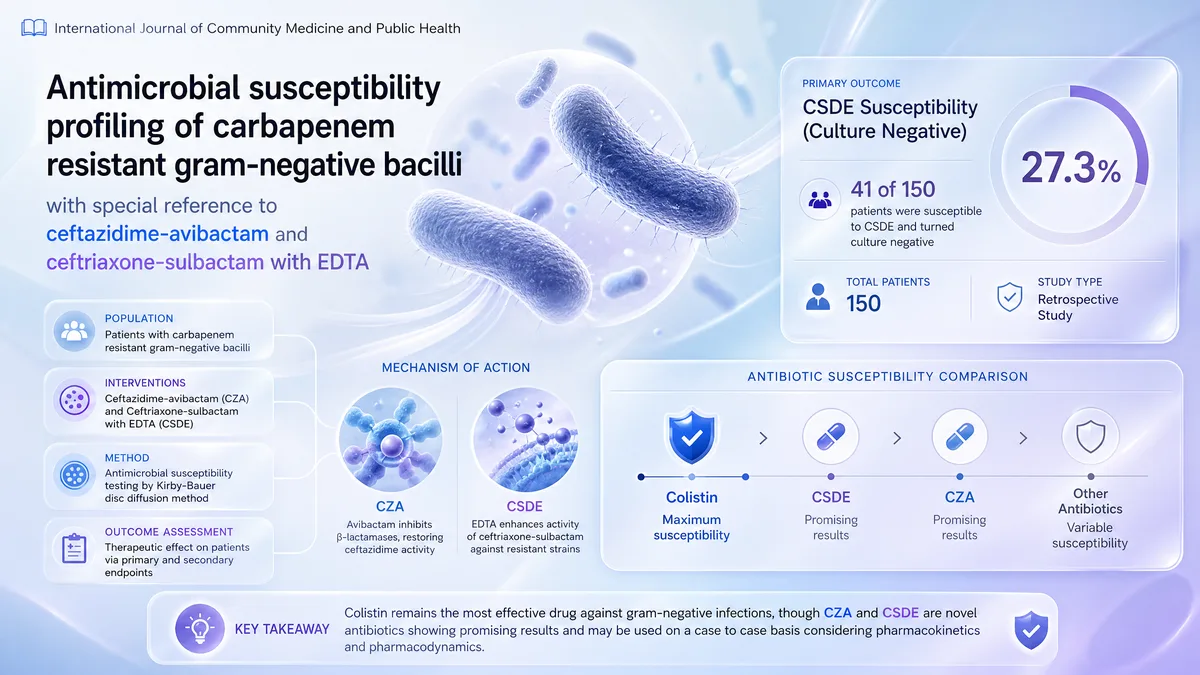
JUN 2025ChaurasiaInternational Journal of Community Medicine and Public Health
Antimicrobial susceptibility profiling of carbapenem resistant gram-negative bacilli with special reference to ceftazidime-avibactam and ceftriaxone-sulbactam with EDTA
Background: Increased morbidity and mortality rates attributable to multidrug resistant organisms (MDROs) such as carbapenem resistant organisms (CROs) are being increasingly reported ultimately leading to limited therapeutic options. Several potential strategies are being explored to develop new antibiotics for Carbapenem-resistant organisms. Methods: This was a retrospective study where Antimicrobial susceptibility testing for CZA and CSDE was done using the Kirby-Bauer disc diffusion method. Patient’s clinical conditions were assessed by the clinician and demographic details were recorded in the hospital EMR system. The outcome was decided based on the therapeutic effect of the antibiotics on the patients via primary and secondary endpoints. Results: A total of 150 patients were included in the study, 41 (27.3%) were susceptible to CSDE and turned culture negative. The antibiotic susceptibility patterns of different antibiotics were compared against each other, especially with CZA and CSDE. Conclusions: Colistin is still the drug with maximum susceptibility against the gram negative bacterial infections although CSDE and CZA are the novel antibiotics and show promising results and may be used on a case to case basis depending on the pharmacokinetics and pharmacodynamics which could be the limiting factor at times restricting use of Colistin.
Cross-Sectional Study
MAY 2025TrivediMedical Education Online
How much time do internal medicine residents spend on self-directed learning and on which resources: a multi-center study
Increased clinical demands and newer means of self-directed learning (SDL) necessitate an understanding of how medical residents are supporting their learning. To examine the patterns of SDL engagement among internal medicine residents, their attitudes and behaviors with various resources, and evaluate the relationship between the clinical learning environment (CLE) and the time residents allocate to SDL and types of resources. This cross-sectional study used a systematic questionnaire informed by previous qualitative research on SDL among internal medicine residents. Internal medicine (IM) residents from 10 residency programs across the United States participated, providing a diverse representation of geographical and institutional contexts. Residents were asked to estimate weekly hours spent on SDL during their last clinical rotation, on which resources, and then to rank the usefulness of each resource. The survey also measured several variables, including attitudes and behaviors after using the resource they perceived to be the most useful, and the influence of training level, residency program type, clinical rotation, and number of hours worked clinically per week on reported time spent on SDL and types of resources. The response rate was 69.5% (783/1,126). Residents dedicated a mean of 18.2 (SD 18.6) hours per week (median of 10.5 hours per week) to SDL. Community-based programs reported more hours of SDL. There was no difference in hours spent on SDL based on the last clinical rotation, number of hours worked clinically, or PGY level. Senior residents favored digital resources, like podcasts, and were less likely to use traditional resources, like textbooks than interns. Our findings underscore the substantial time residents devote to SDL. In light of these results, educators and healthcare systems will need to work together to better support residents in optimizing the complex clinical learning environment.

Cross-Sectional Study
DEC 2024ChaurasiaINDIAN JOURNAL OF APPLIED RESEARCH
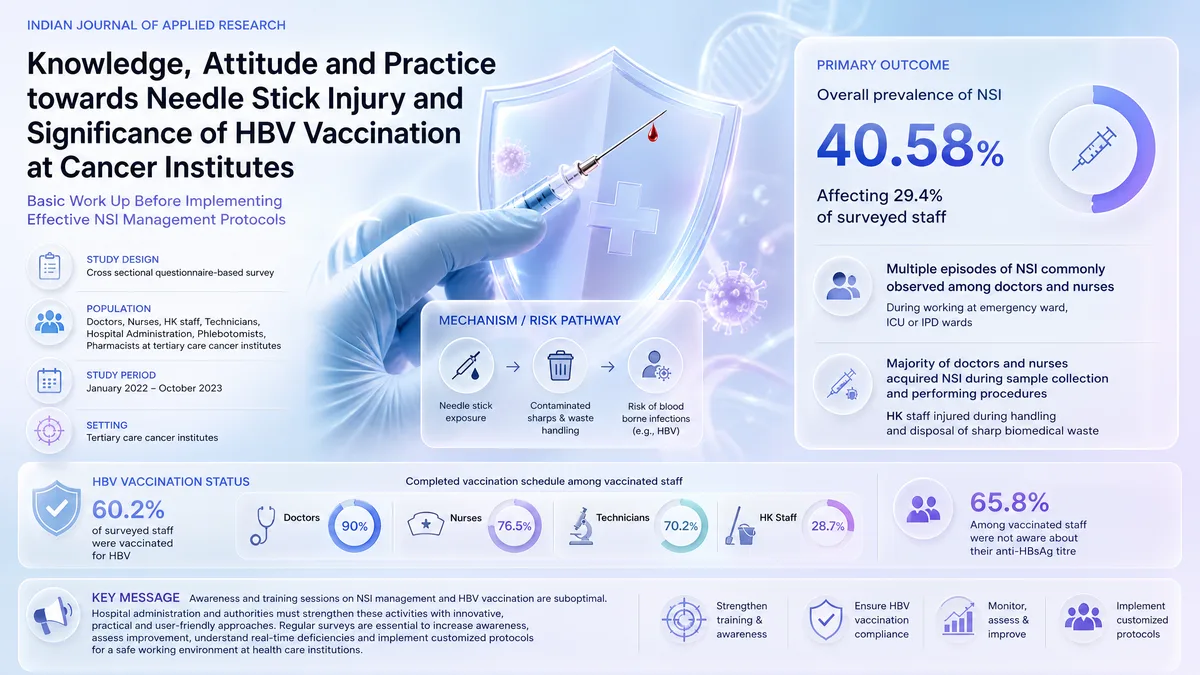
Knowledge, Attitude and Practice Towards Needle Stick Injury and Significance of HBV Vaccination at Cancer Institutes: Basic Work Up Before Implementing Effective Nsi Management Protocols
Introduction: Hospital staff directly involved in patient care are at high risk of occupational exposure to Needle stick injury (NSI). Doctors, Nurses and Housekeeping (HK) staff are the most common health care categories affected physically, financially and socially by NSI. The main objective of the study was to determine NSI prevalence and associated risk factors at a cancer setup and evaluate misconceptions and knowledge gap regarding its prevention and management along with HBV vaccination status among various health care categories and hospital administration. A cross sectional questionnaire-b Materials & Method: ased survey was conducted among doctors, nurses, HK staff, technicians, hospital administration, phlebotomists and pharmacists at tertiary care cancer institutes from January 2022 to October 2023. The overall prevalence of NSI among surveyed health care staff w Results: as 40.58% affecting 29.4% of surveyed staff of which multiple episodes of NSI were commonly observed among doctors and nurses during working at emergency ward, ICU or IPD wards. Majority of doctors and nurses acquired NSI during sample collection and performing procedures, while HK staff got injured during handling and disposal of sharp biomedical waste. Among surveyed staff, 60.2 % were vaccinated for HBV, of which 90% of doctors, 76.5% of nurses, 70.2 % of technicians and only 28.7% of HK staff have completed the vaccination schedule. Among vaccinated staff, 65. 8% of them were not aware about their anti-HBsAg titre. Performance of awareness and training sessions to Discussion: wards handling of NSI and HBV vaccination is suboptimal. Administration and concerned authorities of the hospital need to strengthen these activities with some innovative, practical and user-friendly approaches. Such surveys must be performed by concerned hospital authorities to increase awareness, assess improvement, understand real time deficiencies and implement customized protocols for achieving the safe working environment at health care institutions.
Original Research
JUL 2024ShrivastavFuture Cardiology
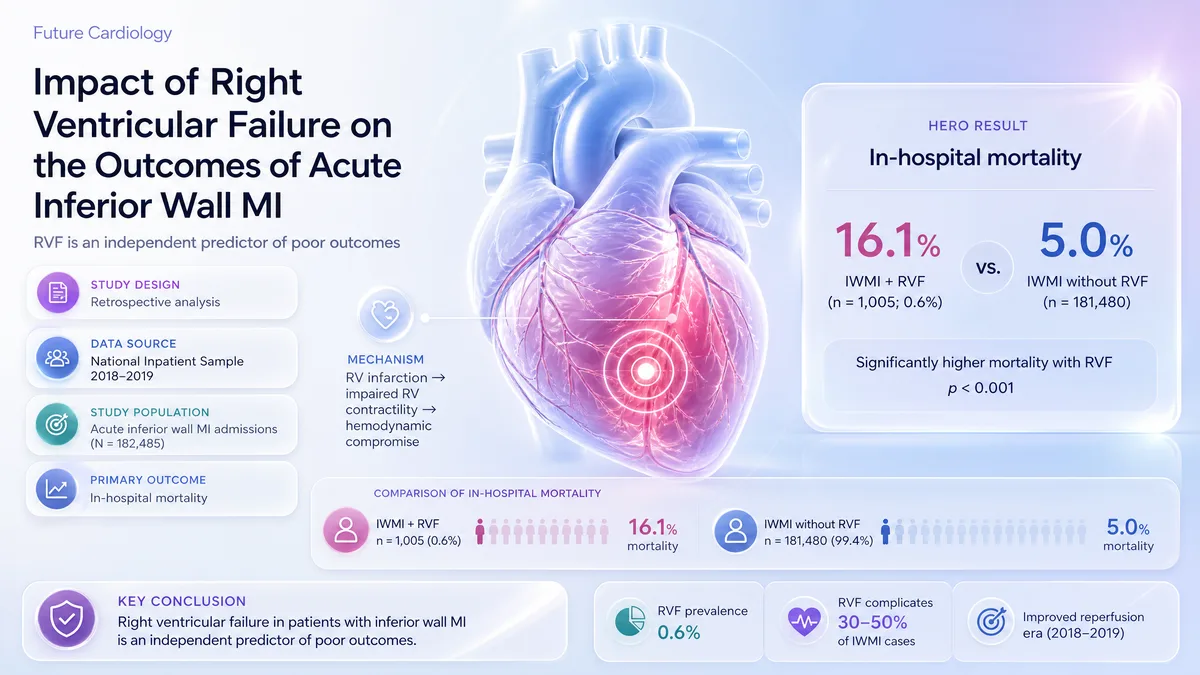
Impact of right ventricular failure on the outcomes of acute inferior wall myocardial infarction
Retrospective database query reveals significantly higher in-hospital mortality among patients with acute inferior wall myocardial infarction and right ventricular failure, highlighting poor outcomes.
cohort · n=271
JAN 2024HashemJournal of Cardiovascular Echography
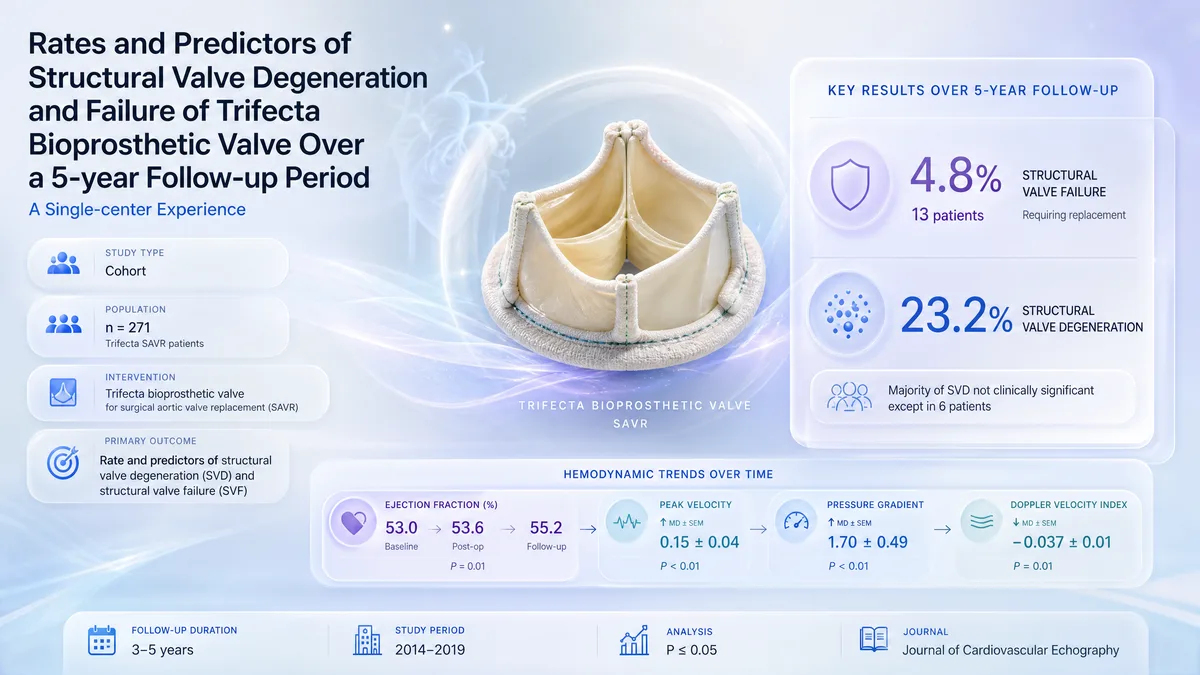
Trifecta aortic bioprosthesis shows ~5% structural valve failure rate at 5 years.
May warrant closer monitoring of Trifecta recipients; leaves open durability questions for prospective randomized comparisons.
cohort · n=44,065
NOV 2023HashemCirculation
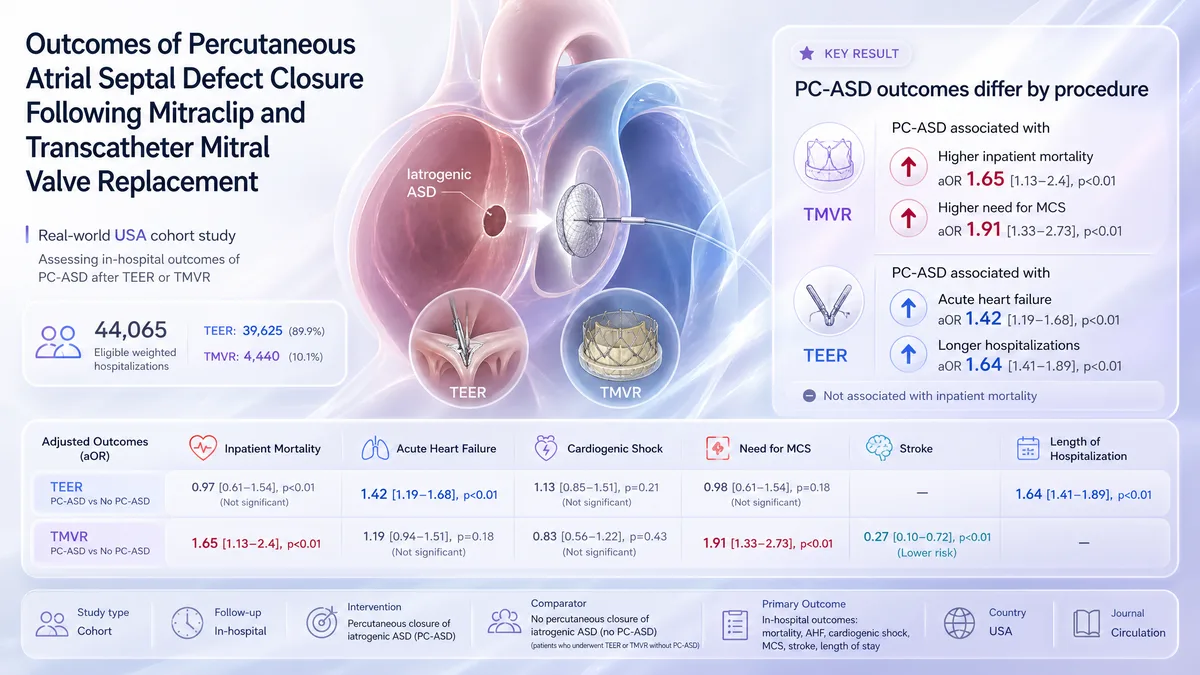
Iatrogenic ASD closure linked to ~65% higher in-hospital mortality after TMVR, but not TEER.
PC-ASD after TMVR was associated with higher mortality; leaves open whether closure increases risk or identifies sicker patients.
cohort · n=25,285
NOV 2023HashemCirculation
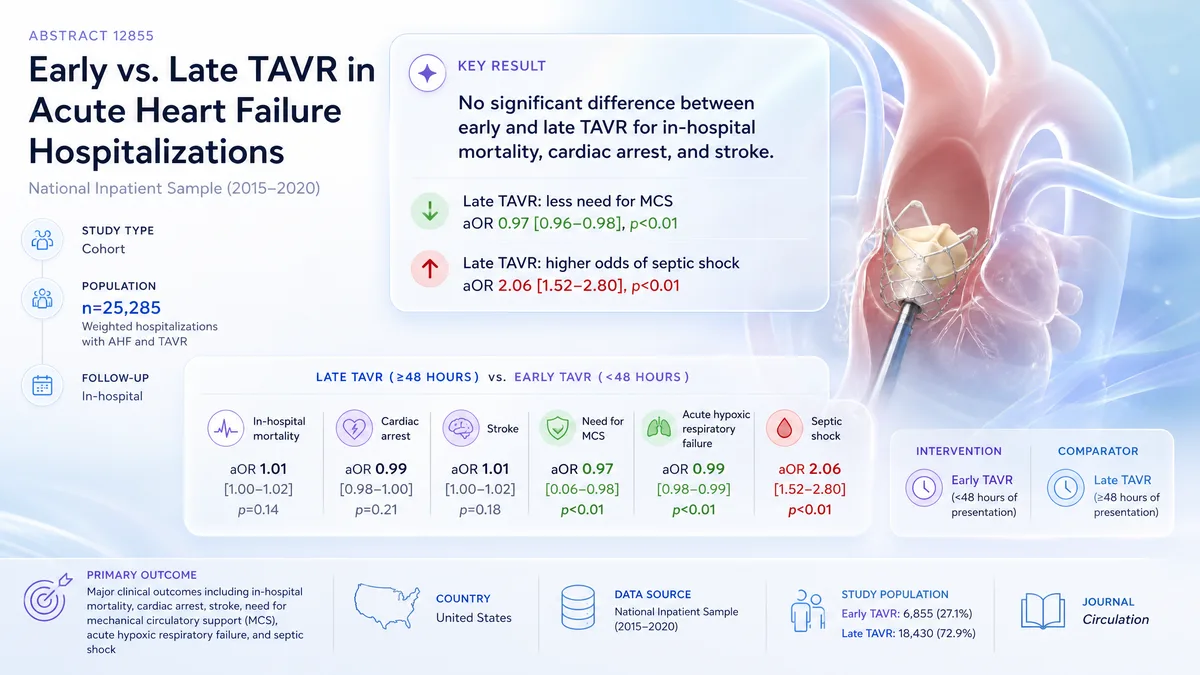
Late TAVR shows no difference in in-hospital mortality versus early TAVR in acute heart failure.
No mortality difference by TAVR timing in acute HF; observational data leave optimal strategy unresolved.
cohort · n=1,683,785
NOV 2023WangCirculation
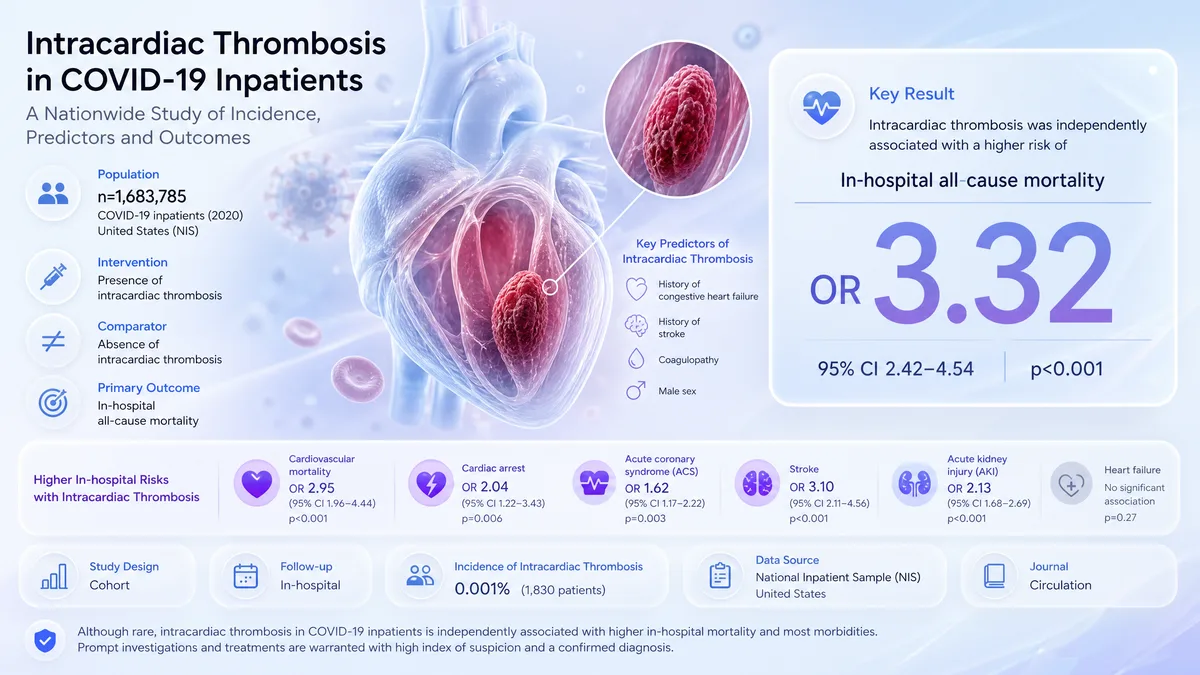
Intracardiac thrombosis in COVID-19 inpatients is linked to ~232% higher in-hospital mortality.
May inform risk stratification in COVID-19 inpatients; extends observational data but remains hypothesis-generating.
cohort · n=38,770
NOV 2023KhaloufCirculation
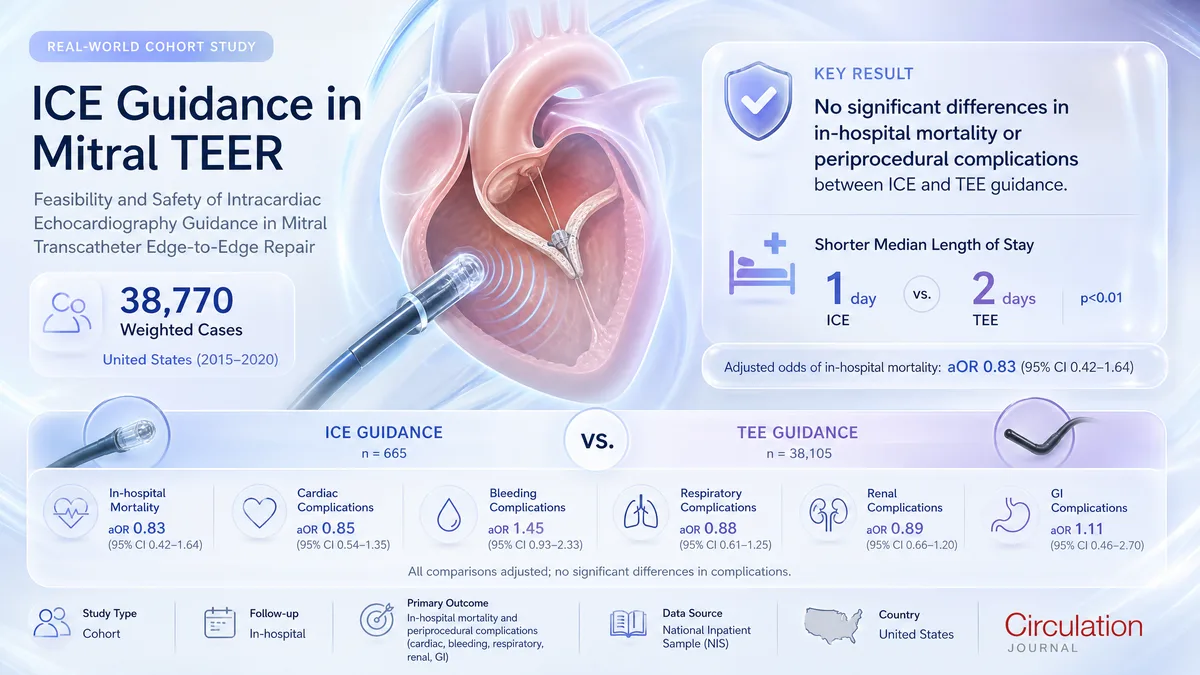
ICE-guided mitral TEER shows similar in-hospital mortality compared to TEE guidance.
ICE guidance showed similar mortality to TEE in observational data; should not yet change practice and requires prospective confirmation.
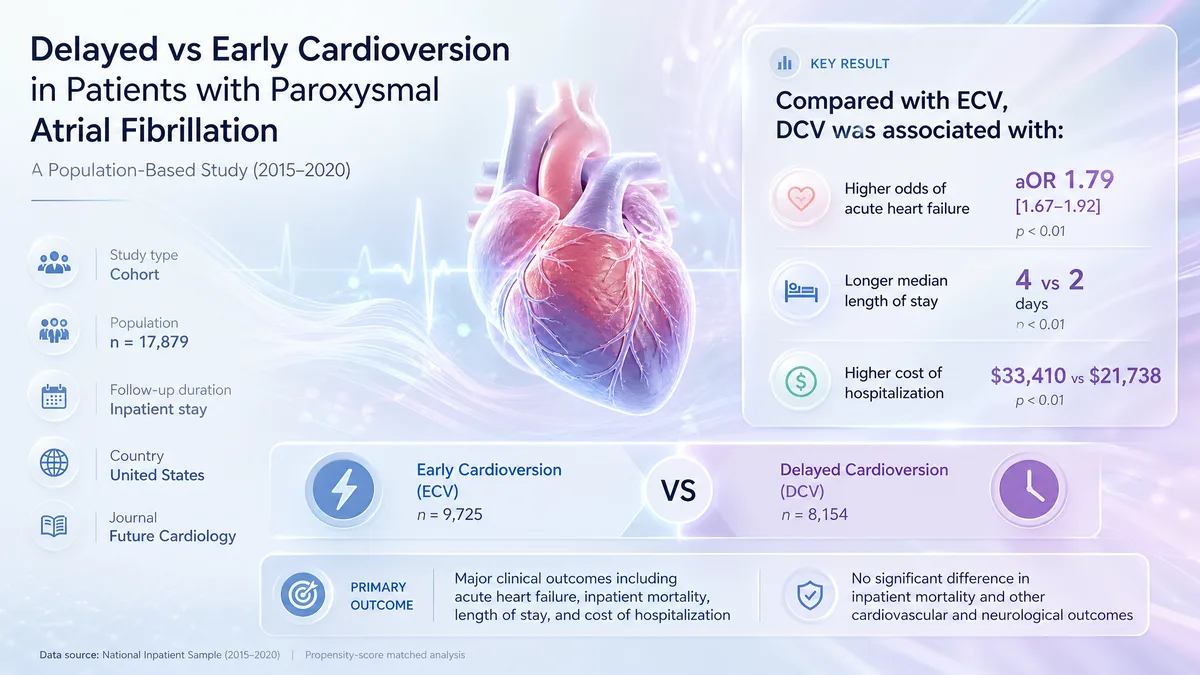
cohort · n=17,879
NOV 2023MohamedCirculation
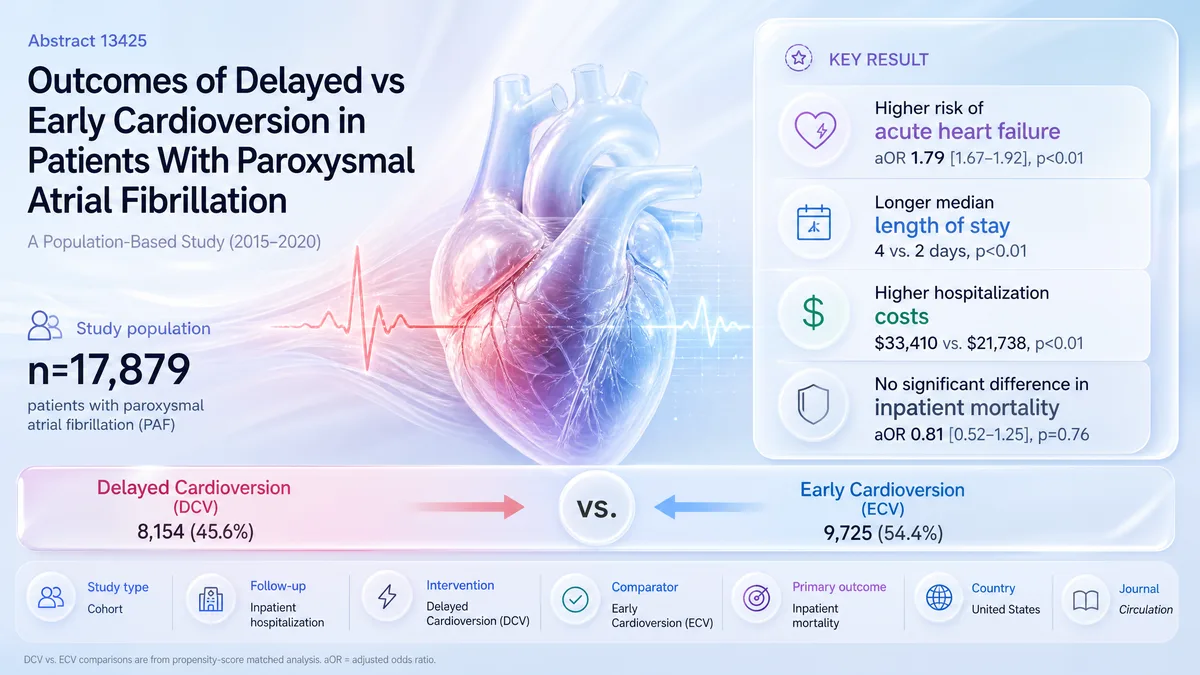
Delayed cardioversion links to ~79% more acute heart failure versus early cardioversion with similar inpatient mortality.
Delayed cardioversion was associated with more acute HF and resource use; leaves open whether timing causally affects outcomes in PAF.
Original Research
SEP 2023HashemHypertension
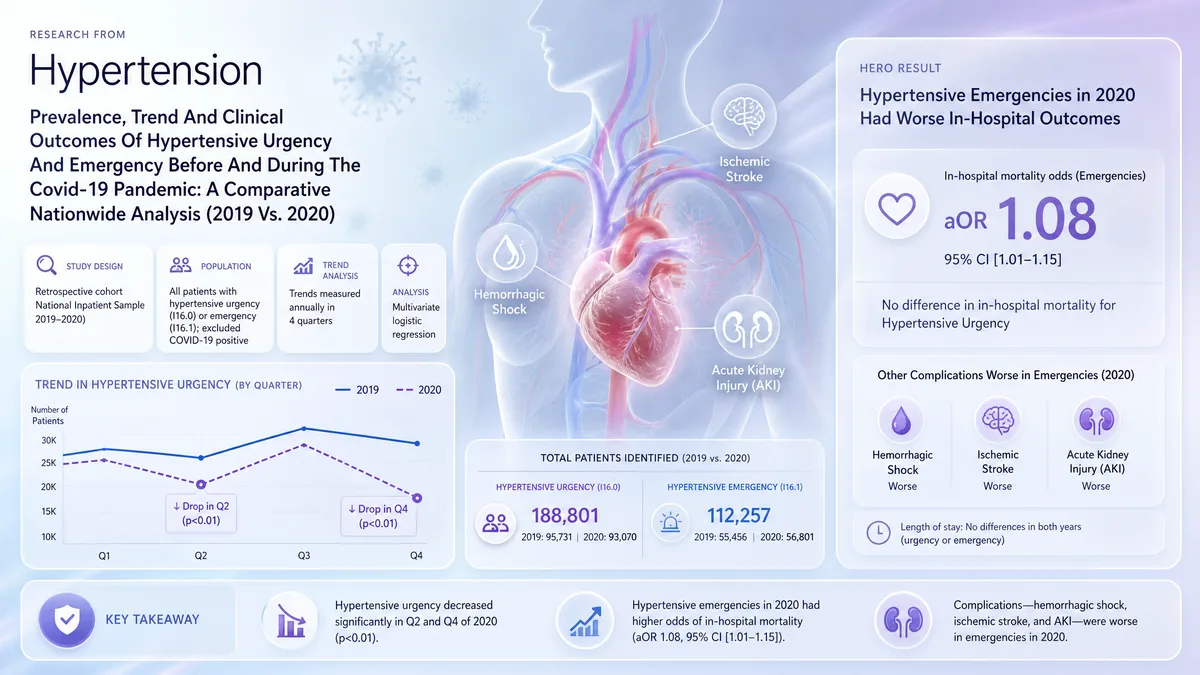
Abstract P149: Prevalence, Trend And Clinical Outcomes Of Hypertensive Urgency And Emergency Before And During The Covid-19 Pandemic: A Comparative Nationwide Analysis (2019 Vs. 2020)
Background: Data on the prevalence trend and clinical outcomes of hypertensive urgency and emergency during the COVID-19 pandemic remains limited. Hence, we aim to compare the prevalence of hypertensive urgency and emergency between the years 2019 and 2020 and compare the clinical outcomes between both years. Methods: We used the National Inpatient Sample (2019-2020) to obtain all patients with hypertensive urgency (ICD-10: I160) and emergency (ICD-10: I161). We excluded all patients who tested positive for COVID-19 infection. We measured the trends annually in 4 quarters. Multivariate logistic regression was used to measure the adjusted outcomes. Results: We found a total of 188,801 patients with hypertensive urgency (2019: 95,731 - 2020: 93,070) and 112,257 patients with hypertensive emergency (2019: 55,456 - 2020: 56,801). The trend in hypertensive urgency showed a significant drop in the second and fourth quarters of the year 2020 (p<0.01), Figure 1 . On multivariate logistic regression, the in-hospital mortality odds among hypertensive emergencies were higher in the year 2020 (aOR 1.08, 95%CI [1.01-1.15]) with no difference in hypertensive urgency. Other complications included hemorrhagic shock, ischemic stroke and acute kidney injury (AKI) were worse among hypertensive emergencies in the year 2020, Figure 1 . There were no differences in the length of stay in both years, regardless of the severity of hypertension. Conclusion: Hypertension urgency was less in the second and fourth quarters in the year 2020. The overall in-hospital complications were worse for hypertensive emergencies in the year 2020 including mortality, hemorrhagic and ischemic stroke and AKI.
cohort · n=17,879
JUL 2023MohamedFuture Cardiology
Delayed cardioversion linked to ~79% greater acute heart failure risk vs early cardioversion in AF.
Hypothesis-generating for preferring early cardioversion in paroxysmal AF; prospective randomized trials needed before practice change.
Original Research
JUN 2023HashemJournal of Intensive Care Medicine
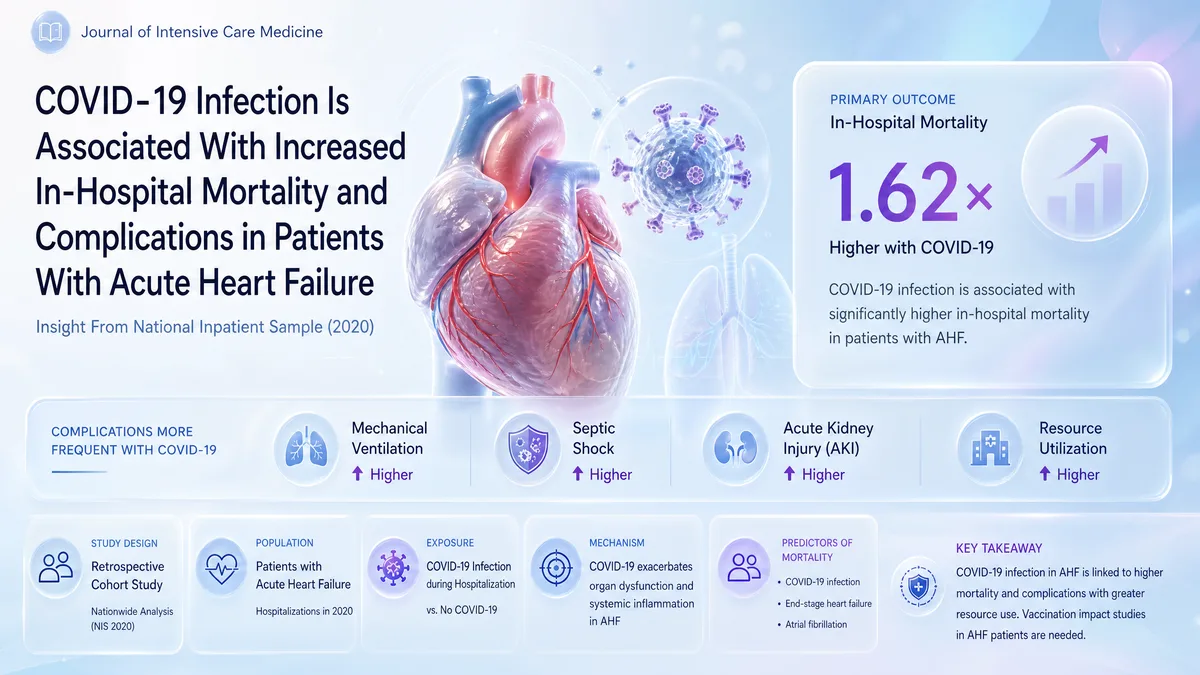
COVID-19 Infection Is Associated With Increased In-Hospital Mortality and Complications in Patients With Acute Heart Failure: Insight From National Inpatient Sample (2020)
COVID-19 infection in patients with AHF is associated with significantly higher in-hospital mortality, need for mechanical ventilation, septic shock, and AKI along with higher resource utilization. Predictors for mortality in AHF patients during the COVID-19 pandemic, COVID-19 infection, patients with end-stage heart failure, and atrial fibrillation. Studies on the impact of vaccination against COVID-19 in AHF patients are needed.
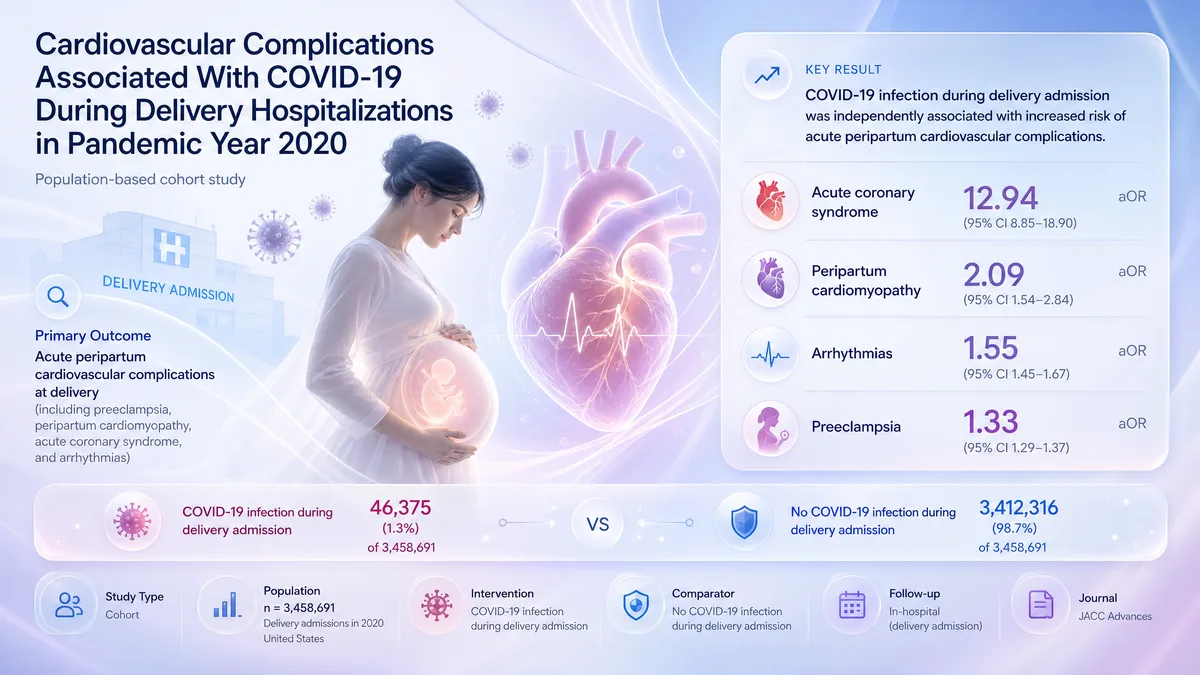
cohort · n=3,458,691
JUN 2023ZahidJACC Advances
COVID-19 during delivery is linked to ~33% higher risk of preeclampsia alongside severe cardiovascular complications.
COVID-19 infection during pregnancy is associated with significantly increased risks of peripartum cardiovascular complications and in-hospital mortality.
case_report · n=1
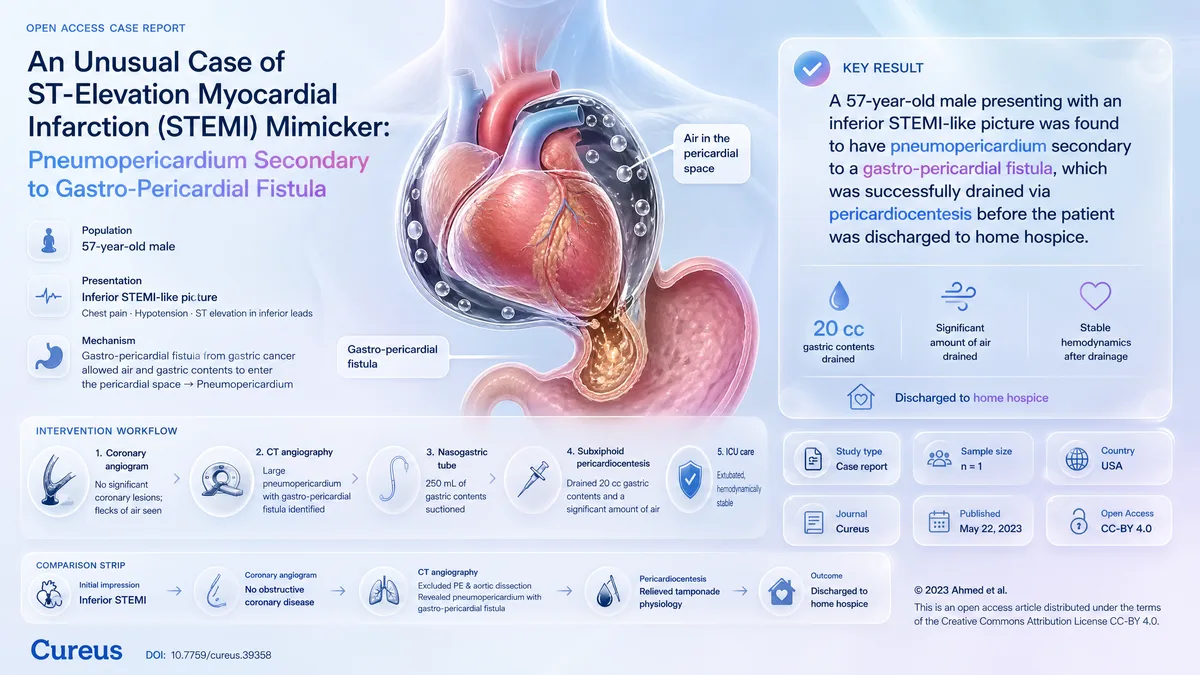
MAY 2023AhmedCureus
A gastro-pericardial fistula secondary to gastric cancer can present as a rare STEMI mimicker due to pneumopericardium causing pneumatic compression of the right coronary artery.
Supports inclusion of gastro-pericardial fistula in STEMI differentials for gastric cancer; leaves open confirmation in larger series.
Original Research
JAN 2023SarodeMicrobiology Independent Research Journal (MIR Journal)
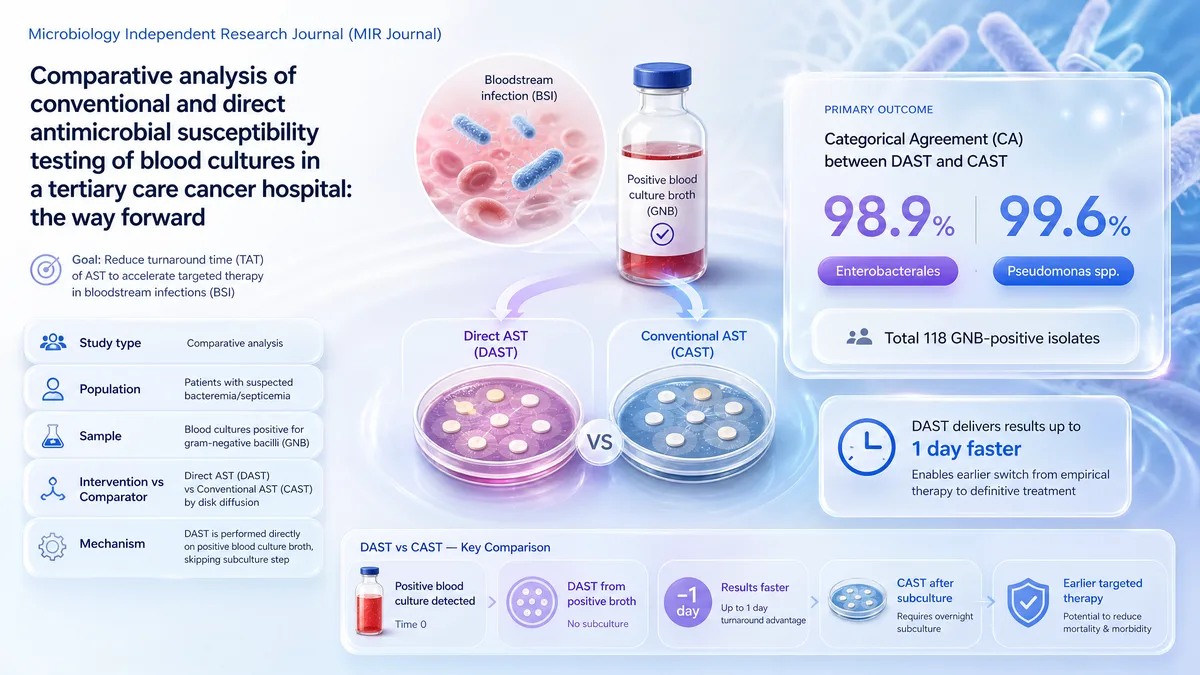
Comparative analysis of conventional and direct antimicrobial susceptibility testing of blood cultures in a tertiary care cancer hospital: the way forward
Bloodstream infections (BSI) are associated with high mortality rates, especially in immunocompromised patients. Identifying pathogens early and selecting appropriate antimicrobials to treat BSI is integral in reducing the mortality rate. There is a need to reduce the turnaround time (TAT) of pathogen identification as well as to accelerate the antimicrobial susceptibility testing (AST) of blood cultures, which can be achieved by following relevant identification methods and performing the direct AST (DAST) by the disk diffusion method. In this study, blood samples were collected from patients with suspected bacteremia/septicemia, and aseptic precautions were taken to prevent contamination. Samples containing gram-negative bacilli (GNB) were then analyzed by DAST and conventional AST (CAST). We tested 118 GNB-positive isolates in total to compare the results of DAST and CAST. DAST and CAST showed good categorical agreement (CA) for various groups of microorganisms: 98.9% and 99.6% for Enterobacterales and Pseudomonas spp., respectively. Early detection of pathogens in blood along with the determination of their antibiotic susceptibility patterns is a need of the hour. By performing DAST on positive blood culture broth, clinical teams can obtain the information necessary for switching from empirical therapy to definitive treatment one day faster. This rapid identification of the pathogen, along with corresponding AST results, will help clinicians to accelerate targeted antimicrobial therapy for critical patients and, thus, reduce mortality and morbidity rates in patients with bloodstream infections.
Randomized Controlled Trial
NOV 2022AnjumCirculation
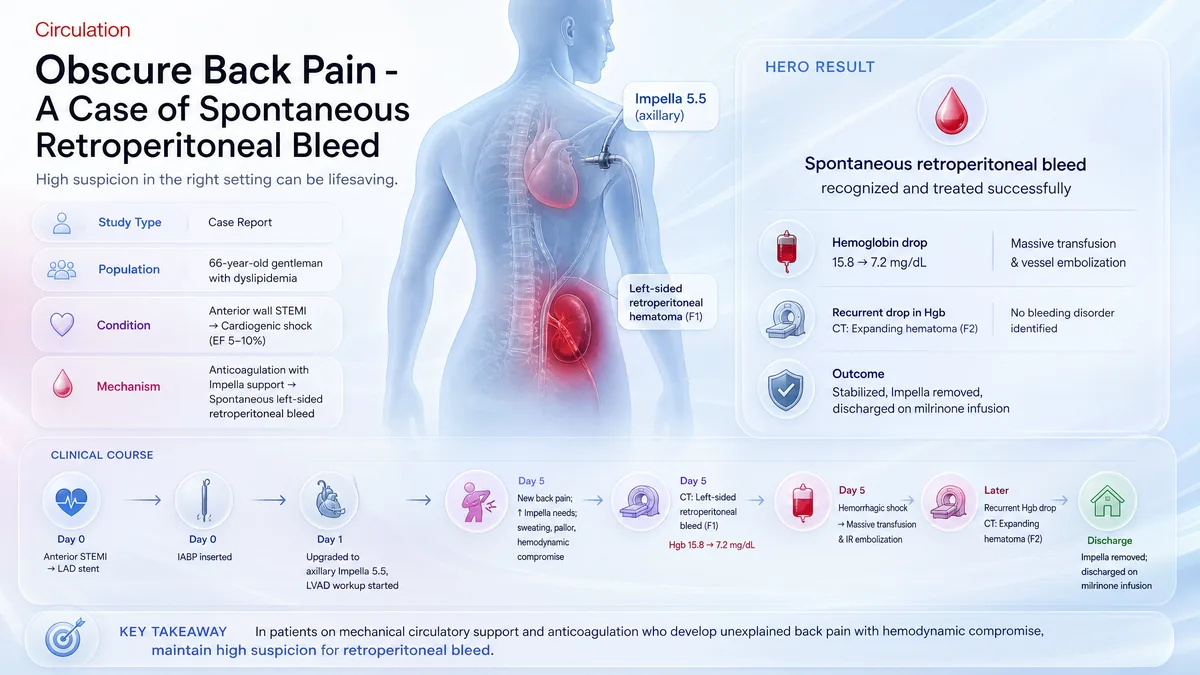
Impella 5.5 support triggers recurrent retroperitoneal bleeding presenting as obscure back pain.
Introduction: We present a case of spontaneous retroperitoneal bleed that presented as back pain until it required multiple transfusions. Case presentation: A 66-year-old gentleman with past medical history of only dyslipidemia, presented with chest pain and was found to have an anterior wall ST-elevation myocardial infarction. He underwent stenting to proximal LAD and was found to be in cardiogenic shock with elevated biventricular filling pressures and ejection fraction of 5-10%. IABP was inserted, which had to be upgraded to axillary Impella 5.5 the next day, and LVAD workup was initiated. He gradually improved with decreasing Impella needs when he started complaining of back pain 5 days into his admission. At the same time, his Impella requirements started to go up. He went on to develop sweating, pallor & hemodynamic compromise. Since he was on anticoagulation due to Impella, a CT scan was obtained, which showed a spontaneous left-sided retroperitoneal bleed (F1) (IABP had been on the right side) and drop in hemoglobin from 15.8 mg/dl on admission to 7.2 mg/dl. He went on to develop hemorrhagic shock requiring massive blood product transfusion with subsequent vessel embolization by interventional radiology. Afterwards, he continued to improve, and Impella was eventually removed. Later in the course, he had another drop in hemoglobin & was taken back for CT, which showed expanding retroperitoneal hematoma (F2). Hematology team was consulted due to 2 spontaneous bleeds; however, no underlying bleeding disorder was suspected. He stabilized; was weaned off of Impella and, was subsequently discharged on milrinone infusion. Conclusions: We conclude that providers highly suspect retroperitoneal bleeds in the proper clinical setting for optimum patient care.
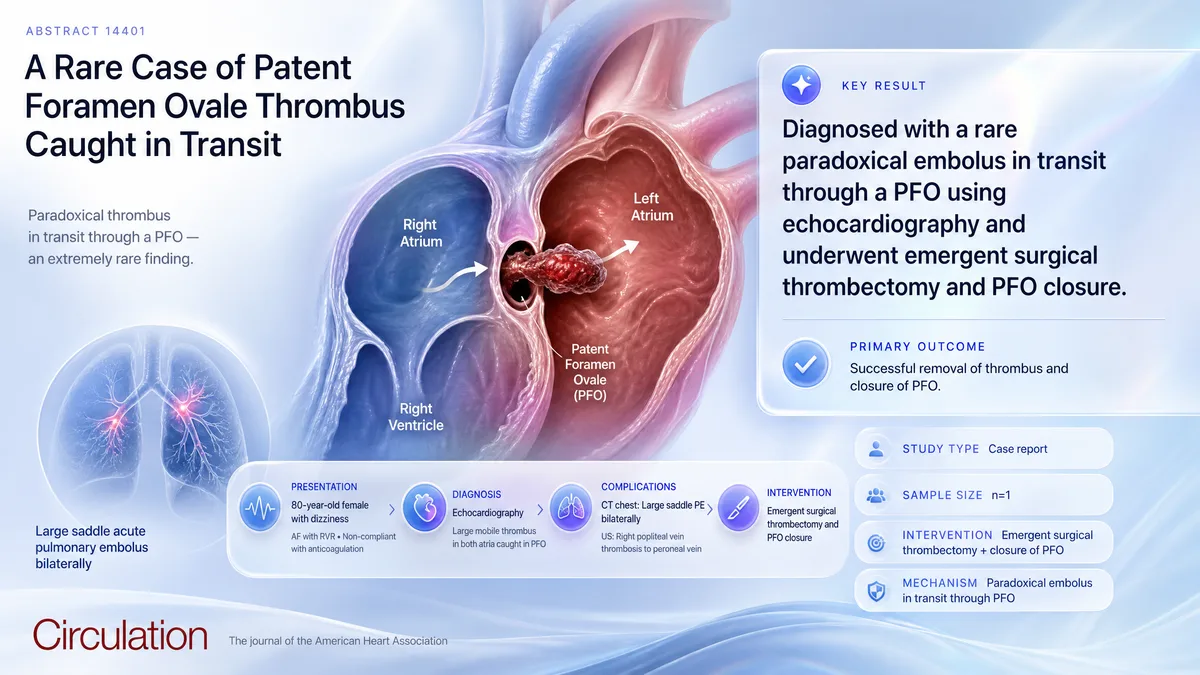
case_report · n=1
NOV 2022ButtarCirculation
Emergent surgical thrombectomy and PFO closure were performed in an 80-year-old woman presenting with a rare paradoxical thrombus in transit through a PFO and massive pulmonary embolism.
Supports surgical thrombectomy for rare paradoxical thrombi in transit; hypothesis-generating given single case report.