
Atherosclerosis PlusSapiyan et al.Original Research

Raul D. Santos
General / Preventive / Lipids
Universidade de São Paulo
About
Raul D. Santos works in General / Preventive / Lipids affiliated with Universidade de São Paulo.
Raul D. Santos, MD, MSc, PhD, is associate professor in the Department of Cardiopneumology at the University of São Paulo Medical School and director of the Lipid Clinic at the Heart Institute (InCor) of the University of São Paulo Medical School Hospital. He is also a researcher at the Academic Research Organization of Hospital Israelita Albert Einstein in São Paulo, Brazil. He served as president of the International Atherosclerosis Society from 2019 to 2021 and is editor-in-chief of Global Heart.
Research focus
Familial hypercholesterolemiaLipid metabolism and genetic dyslipidemiasAtherosclerosis imaging and vascular calcificationNovel lipid-lowering therapiesCardiovascular prevention and HDL metabolism
Impact
75 pubs · 654 cites · h-index 15
Training
MD
Escola Paulista de Medicina, Universidade Federal de São Paulo (UNIFESP)
1986
MSc (Food Science)
Faculdade de Ciências Farmacêuticas, Universidade de São Paulo
1995
PhD (Food Science)
Faculdade de Ciências Farmacêuticas, Universidade de São Paulo
1999
Affiliations
Work Experience
Associate Professor, Department of Cardiopneumology
Universidade de São Paulo · 2012 - Present
Director of the Lipid Clinic
Heart Institute (InCor), University of São Paulo Medical School Hospital · 2004 - Present
Researcher, Academic Research Organization
Hospital Israelita Albert Einstein · 2003 - Present
Editor-in-Chief, Global Heart
World Heart Federation · 2025 - Present
President
International Atherosclerosis Society · 2019 - 2021
Publications
EHJElshorbagy et al.cross-sectional
Obesity linked to ~135% higher CAD odds in adults with heterozygous familial hypercholesterolaemia.
Overweight and obesity are highly prevalent in patients with heterozygous familial hypercholesterolemia and significantly increase the risk of ASCVD independent of LDL-C levels and lipid-lowering medication.
AtherosclerosisMancini et al.cohort
Imputed pre-treatment LDL-C achieves ~80% concordance with actual levels in HoFH.
May aid HoFH diagnosis without untreated LDL-C records; leaves open prospective validation before clinical adoption.
Austral EcologySantos et al.Original Research

Spatial–Temporal Variation of Bird Roadkill Hotspots in the Brazilian Semi‐Arid Region
Analysis reveals significant spatial-temporal variation in bird roadkill hotspots, suggesting landscape factors influence hotspots and mitigation measures.
Brazilian Journal of Radiation SciencesAlmeida et al.Original Research
Protocol for handling contaminated maritime cargo returned to the country
The protocol outlines safety measures for managing contaminated cargo in Brazil, highlighting the role of CNEN and SAER.
ZooKeysCabral et al.Narrative Review
Dietary composition of Oxyrhopus trigeminus in the Brazilian semiarid: new records, a literature review, and an incidental case of plastic ingestion
The Caatinga, the largest seasonal dry tropical forest in South America, has been experiencing significant environmental disturbances due to deforestation, agricultural expansion, and increasing energy infrastructure installation. These changes can impact local biodiversity, particularly aspects of natural history, such as trophic ecology. This study investigates the diet of Oxyrhopus trigeminus (the Brazilian false coral snake) in the Caatinga biome of northeastern Brazil, combining a literature review and an analysis of stomach and intestinal contents of 48 specimens. Our findings confirm that the species primarily preys on lizards, particularly Tropidurus hispidus and Ameivula ocellifera, which are among the most abundant lizards in the semiarid region of the Caatinga. Additionally, we report for the first time the presence of Micrablepharus maximiliani in the diet of O. trigeminus. The study also documents the ingestion of plastic fragments, highlighting a growing concern regarding pollution in natural environments and its potential effects on trophic interactions. As part of the study, weight and morphometric data were collected from all examined specimens; although not the primary focus, these measurements are included as supplementary information, given their potential value for future comparative and ecological analyses. Given the increasing habitat alterations in the Caatinga, changes in prey availability may potentially affect the dietary patterns of Oxyrhopus trigeminus and other snake species. Despite the limited sample size, our findings highlight the importance of baseline dietary data and underscore the need for long-term monitoring to better understand how environmental changes may influence predator-prey dynamics and the ecological stability of semiarid ecosystems.
Studies on Neotropical Fauna and EnvironmentSantos et al.Original Research
Activity patterns of wild mammals and spatiotemporal interactions with domestic carnivores in a periurban protected area of the Caatinga dry forest, Northeastern Brazil
Mammals are highly vulnerable to anthropogenic disturbances, making it crucial to understand their interactions with exotic species like domestic dogs and cats for effective conservation and management. This study examines the activity patterns of medium-sized mammals and their spatiotemporal overlap with domestic carnivores in a peri-urban protected area of the Brazilian dry forest. Using camera trap data and circular statistics, we analyzed species’ activity patterns while the activity overlap coefficient (∆) and species interaction factor (SIF) assessed potential spatiotemporal segregation. A total sampling effort of 1,379 camera-days recorded 676 detections of medium- to large-sized mammals, including nine native, and three exotic species. Two threatened felids (Leopardus tigrinus and Herpailurus yagouaroundi) were observed. One species was nocturnal, two mainly nocturnal, four cathemeral, and one crepuscular. Most species exhibited low (e.g. S. gouazoubira, P. cancrivorus, D. albiventris and C. jacchus) to moderate (E. sexcinctus, C. thous, L. tigrinus) temporal overlap with domestic carnivores, suggesting varying degrees of segregation. However, spatial overlap may increase predation risks, while spatial segregation could benefit certain species. These findings enhance our understanding of mammal vulnerability to human-related threats in the Caatinga and provide insights for conservation planning in peri-urban dry forests.
Diabetology & Metabolic SyndromeMoraes et al.cross-sectional
TopicObesity, Diabetes, and Lipoproteins
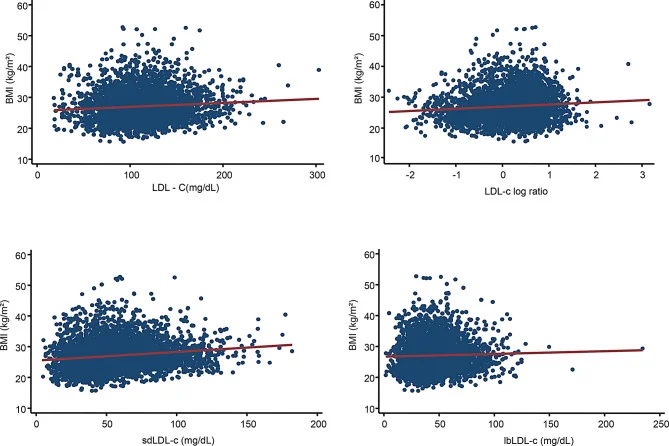
Larger waist circumference is strongly linked to sdLDL-c, modified by diabetes and insulin resistance.
sdLDL-c independently tracks BMI after triglyceride adjustment; leaves open causal role or utility in obesity-related risk stratification.
EHJNordestgaard et al.cohort

TopicWomen and heart diseaseChallenges guidelines
Higher mild-to-moderate triglycerides linked to ~13% higher risk of major cardiovascular events.
Challenges uniform risk assumption across triglyceride levels; leaves open optimal enrollment ranges for future lowering trials.
Acta Veterinaria BrasilicaLima et al.Original Research
Decomposition of Equus caballusroadkilled in the brazilian semi-arid region: temperature and vultures accelerate the decomposition process
Roads play a vital role in the socioeconomic development of modern society, facilitating the transportation of goods and passengers between different locations. However, they are also a major driver of biodiversity loss, primarily due to the direct impact of animal roadkill. The carcasses resulting from these accidents are a rich source of nutrients for a variety of decomposer organisms, including arthropods, vertebrates, fungi, and bacteria. The decomposition process of a carcass follows a series of distinct stages, influenced by both abiotic and biotic factors such as temperature, humidity, the presence of scavengers, and characteristics of the surrounding vegetation. Scavengers, such as vultures, are essential for nutrient recycling and maintaining environmental health by preventing the proliferation of pathogenic organisms. This case study investigated the decomposition of a horse carcass in a Caatinga environment, observing the presence of invertebrate and vertebrate scavengers. The results indicated that vultures significantly accelerated the decomposition process, leading the carcass to the skeletal decomposition stage in just a few days. Additionally, local environmental fac-tors such as temperature and precipitation played an important role in the decomposition rate. These findings suggest that, in addition to causing biodiversity loss, roadkill can be a valuable resource for scavengers, influencing the dyna-mics of carcass decomposition and removal.
European Journal of Preventive CardiologyWiegman et al.RCT
TopicEvolocumab in familial hypercholesterolemia
Evolocumab reduces cIMT by ~0.003 mm vs placebo in children with HeFH.
Supports adding evolocumab to statins for cIMT regression in pediatric HeFH; extends adult trial data to children.
Neotropical Biology and ConservationTaili et al.Original Research
Characterization of bone lesions and bone mineral density of roadkilled wild animals in the Brazilian semi-arid
Highways are one of the anthropogenic factors that have the greatest impact on terrestrial biodiversity. Barriers, depletion effects, and roads are the most common locations of wild animal roadkill, leading to biodiversity loss in wild vertebrates. However, the corpses of these animals can be used as opportunistic samples, an excellent source of information on topics such as population dynamics, which is one of the aims of road ecology. Nonetheless, there are only a few studies on injuries in roadkilled wild animals. Between 2018 and 2021, road monitoring was performed around three Federal Conservation Units in Brazil. Twenty-four animals, including birds, reptiles, and mammals, were collected. This study aims to characterize the lesions in wild animals that were roadkilled on roads in the Brazilian semi-arid region using necropsy and quantitative computed tomography (QCT). Also, the bone mineral density was measured using QCT and compared with the number of lesions and body condition score. Four types of bone lesions were found in 13 different bones, with an average of 3.25 lesions per bird and 3.75 lesions per reptile and mammal, with no statistical difference between the means (p > 0.05). Providing a database on the main injuries found in wild animals that are frequently roadkilled serves as an aid to wildlife rescue and rehabilitation professionals who contribute to the conservation of species. In addition, the data on road ecology serves as a basis for the implementation of mitigation measures against wildlife roadkills, also contributing to the conservation of species.
EHJRocha et al.Original Research
Lipoprotein(a) and atherosclerotic cardiovascular disease in a Brazilian tertiary hospital population
Background/Introduction Elevated levels of lipoprotein(a) [Lp(a)] are a strong risk marker of atherosclerotic cardiovascular disease (ASCVD), including myocardial infarction (MI), ischemic stroke, and peripheral arterial disease, as well as of aortic valve calcification and stenosis. However, few studies have assessed the prevalence of high Lp(a) levels in patients followed at a tertiary hospital specialized in cardiovascular diseases (CVD). In addition, there is scant information about Lp(a) concentrations in Brazilian individuals. Purpose The aim of the study was to describe the demographic characteristics and comorbidities of patients with at least one measure of Lp(a) at a tertiary treatment center for CVD in our city – Brazil. Methods Patients treated at a heart institute had their data extracted between the years 1999 and 2021. Data were obtained through direct electronic extraction of patients' medical records. The patients were categorized according to different Lp(a) cutoff levels (> 50 and < 70, > 70 and < 90, and > 90 mg/dL) and by quartiles. Results Of 4,970 unique patients included in the study, the mean age at baseline was 59.9 years (SD ± 14.5), 2,634 (53%) were male, and the median Lp(a) was 23.2 mg/dL (interquartile range 8.9 - 56.8 mg/dL). In the whole cohort, 460 (9.3%) had Lp(a) > 50 and < 70, 344 (6.9%) > 70 and < 90, 612 (12.3%) > 90 mg/dl and 138 (2.8%) > 150 mg/dL. Established ASCVD was reported in 1,223 (24%) of the individuals, with a progressively higher prevalence across the Lp(a) categories above (31.2%, 33.8%, 34.2%, respectively) (table 1). Moreover, the Lp(a) median (interquartile range) in mg/dL was significantly higher in those with baseline history of ASCVD (31.4 [10.8-71.2] vs 21.2 [8.3-52]), MI (27.8 [10.6-65.9] vs 22.3 [8.5-54.7]) and stroke (24.9 [10-69.5] vs 23.1 [8.9-56.5]), all p < 0.05 (table 2). Lp(a) was also significantly higher among those with LDL-C ≥ 100 mg/dL relative to LDL-C < 100 mg/dl (25.5[9.5-63.2] vs 21.4[8.4 vs 52.2] p < 0.05). Conclusions In this cohort of patients followed at a tertiary center specialized in CVD, approximately a third had Lp(a) levels above 50 mg/dL, a cutoff robustly associated with ASCVD. This finding likely represents an important source of cardiovascular residual risk, particularly in those with established ASCVD, exposing the need of further therapies.
Revista Portuguesa de CardiologiaAbreu et al.Narrative Review
Portuguese expert roadmap outlines national population-based strategies to improve ASCVD awareness and surveillance.
Atherosclerotic cardiovascular disease (ASCVD) remains the major cause of premature death and disability; effective cardiovascular (CV) risk prevention is fundamental. The World Heart Federation (WHF) Cholesterol Roadmap provides a framework for national policy development and aims to achieve ASCVD prevention. At the invitation of the WHF, a group of experts from the Portuguese Society of Cardiology (SPC), addressed the cholesterol burden at nationally and discussed possible strategies to include in a Portuguese cholesterol roadmap. The literature review showed that the cholesterol burden in Portugal is high and especially uncontrolled in those with the highest CV risk. An infographic scorecard was built to include in the WHF collection, for a clear idea about CV risk and cholesterol burden in Portugal, which would also be useful for health policy advocacy. The expert discussion and preventive strategies proposal followed the five pillars of the WHF document: awareness improvement; population-based approaches for CV risk and cholesterol; risk assessment/population screening; system-level approaches; surveillance of cholesterol and ASCVD outcomes. These strategies were debated by all the expert participants, with the goal of creating a national cholesterol roadmap to be used for advocacy and as a guide for CV prevention. Several key recommendations were outlined: include all stakeholders in a multidisciplinary national program; create a structured activities plan to increase awareness in the population; improve the quality of continuous CV health education; increase the interaction between different health professionals and non-health professionals; increment the referral of patients to cardiac rehabilitation; screen cholesterol levels in the general population, especially high-risk groups; promote patient self-care, engage with patients’ associations; use specific social networks to spread information widely; create a national database of cholesterol levels with systematic registry of CV events; redefine strategies based on the evaluation of results; create and involve more patients’ associations – invert the pyramid order. In conclusion, ASCVD and the cholesterol burden remain a strong global issue in Portugal, requiring the involvement of multiple stakeholders in prevention. The Portuguese cholesterol roadmap can provide some solutions to help urgently mitigate the problem. Population-based approaches to improve awareness and CV risk assessment and surveillance of cholesterol and ASCVD outcomes are key factors in this change. A call to action is clearly needed to fight hypercholesterolemia and ASCVD burden. A doença aterosclerótica cardiovascular (DACV) mantém-se a maior causa de morte prematura e de incapacidade, sendo uma prevenção eficaz de risco cardiovascular (CV) fundamental. O WHF Cholesterol Roadmap fornece enquadramento para o desenvolvimento de políticas nacionais, tendo como objetivo a prevenção de DACV. A convite da WHF, um grupo de peritos da Sociedade Portuguesa de Cardiologia (SPC) avaliou a carga do colesterol a nível nacional e discutiu possíveis estratégias para um Roadmap português. A revisão da literatura mostrou uma carga elevada de colesterol em Portugal, sobretudo em pessoas de alto risco CV. Uma infografia, Scorecard, foi construída pela WHF, para mostrar claramente o risco CV e o peso do colesterol em Portugal, sendo útil para advocacia em políticas de saúde. A discussão de peritos e proposta das estratégias preventivas seguiram os cinco pilares do documento da WHF: Melhoria da consciencialização; Abordagens do risco CV e do colesterol nas populações; Avaliação de risco/screening das populações; abordagens a nível do sistema; Seguimento do colesterol e complicações da DACV. Várias recomendações chave foram definidas: incluir todos os stakeholders em programa multidisciplinar nacional; criar plano de atividades estruturadas para aumentar a consciencialização da população; aumentar qualidade da educação contínua em saúde CV; aumentar interação entre profissionais de saúde e outros profissionais; aumentar referenciação de doentes para reabilitação cardiovascular; avaliar níveis de colesterol na população geral, especialmente em alto risco; promover autocuidado dos doentes, envolvendo associações de doentes; usar redes sociais específicas para disseminar informação; criar base nacional de níveis de colesterol com registo sistemático de eventos CV; redefinir estratégias baseadas na avaliação de resultados; criar e envolver mais doentes em associações – inverter a ordem da pirâmide! Em conclusão, a DACV e o peso de colesterol permanecem uma questão global forte em Portugal, necessitando o envolvimento de múltiplos stakeholders na prevenção. O Roadmap de colesterol português pode fornecer algumas soluções para urgentemente mitigar o problema. Abordagens a nível das populações para melhorar a consciencialização e avaliar o risco CV, seguimento do colesterol e das complicações de DACV são fatores chave nesta mudança. Uma call to action é claramente necessária para combater a carga da hipercolesterolemia e DACV.
Current Diabetes ReviewsYaribeygi et al.Review
Glp-1 Mimetics and Autophagy in Diabetic Milieu: State-of-the-Art
The diabetic milieu is associated with cascades of pathophysiological pathways that culminate in diabetic complications and tissue injuries. Autophagy is an essential process mandatory for cell survival and tissue homeostasis by degrading damaged organelles and removing injured cells. However, it may turn into a pathological process in an aberrant mode in the diabetic and/or malignant milieu. Moreover, autophagy could serve as a promising therapeutic target for many complications related to tissue injury. Glp-1 mimetics are a class of newer antidiabetic agents that reduce blood glucose through several pathways. However, some evidence suggests that they can provide extra glycemic benefits by modulating autophagy, although there is no complete understanding of this mechanism and its underlying molecular pathways. Hence, in the current review, we aimed to provide new insights on the possible impact of Glp-1 mimetics on autophagy and consequent benefits as well as mediating pathways.
Brazilian Journal of BiologyQueiros et al.Review
Diet of the lesser-grison, Galictis cuja (Mammalia, Carnivora): a review and new data from the Brazilian semiarid Caatinga
The lesser-grison (Galictis cuja) is a mustelid native to South America with an wide, but its diet remains poorly understood. The present study combines published data with new information on the diet of G. cuja from the semiarid Caatinga ecoregion, based on the analysis of the stomach contents of two road-killed specimens. Sixteen studies, conducted in Argentina, Brazil, Chile, and Uruguay, were reviewed, permitting the identification of seven dietary categories: Invertebrates, Mammals, Birds, Reptiles, Amphibians, Fish, and Plant Material. Mammals and birds were the items consumed most frequently, while amphibians and fish were the least common items. The novel items identified in the Caatinga sample included the white-eared opossum (Didelphis albiventris), white tegu eggs (Salvator merianae), and melon seeds (Cucumis melo L.). The data indicate that G. cuja has a diverse diet, with mammals present in 100% of the diets analyzed, reflecting the role of the species as a mesopredator and potential seed disperser. The lack of data from a number of different ecoregions highlights the need for further research to better understand the ecological role of the species, and to develop effective conservation strategies, given that the current knowledge on the diet of G. cuja may not best represent its ecological importance and the challenges faced by the species in impacted environments.
Brazilian Journal of Radiation SciencesRazuck et al.Original Research
The Strategic Communication Planning in an emergency at the Almirante Álvaro Alberto Nuclear Power Plant (CNAAA)
In a world where information has a high speed of propagation and is present in the most diverse media, it is essential to follow the news in order to keep the population informed about the actions taken, the real risks and the consequences of an alleged nuclear accident. Effective public communication is understood to encourage the implementation of appropriate protective actions by people at risk and reassure individuals who are not directly at risk, reducing rumors and fears. Thus, the Strategic Communication Planning (SCP) acquires high relevance in a context of panic control, disseminating the correct procedures that will directly contribute to the coordination of the nuclear emergency. In this sense, this work aims to present the steps of a SCP in the case of a nuclear emergency at the Almirante Álvaro Alberto Nuclear Power Plant. In this case, the SCP is divided into the Risk Management and Accident Management phases, being prepared in order to unite the legislation in force in the country with international agreements, technical standards and civil defense doctrines. It is understood that the SCP makes it possible to efficiently build communication channels with the public, as well as to provide authorities with strategies to disseminate information, creating performance indices to evaluate these strategies in relation to the stakeholders in the communication process, because only with a Implemented SCP will make it possible to create a continuous improvement in the information feedback processes with an increase in the quality of communications
DiversitySantos et al.Original Research
Mammalian Roadkill in a Semi-Arid Region of Brazil: Species, Landscape Patterns, Seasonality, and Hotspots
Roadkill is one of the principal causes of the loss of biodiversity around the world. The effects of roads on mammals are still poorly understood in regions with a semi-arid climate, where many knowledge gaps persist. The present study provides an inventory of the mammalian species affected on highways in northeastern Brazil, as well as identifying roadkill hotspots and contributing to the understanding of how seasonality and the landscape may influence the roadkill patterns of wild mammals. A total of 6192.52 km of road were sampled in 53 field surveys conducted between 2013 and 2017. Landsat 8 satellite images and data from the MapBiomas platform were used to classify land use and cover for analysis. Buffers of 1 km, 5 km, and 10 km were created around the study roads to identify the landscape variables associated with roadkill events. Ripley’s 2D K-Statistics and the 2D HotSpot test were used to identify roadkill aggregations and hotspots; GLMMs were generated for the landscape variables and evaluated using the Akaike Information Criterion. The Kruskal–Wallis test was applied to investigate the potential effects of seasonality. A total of 527 wild animal carcasses were recorded as a result of vehicular collision. The species with the highest roadkill records were Cerdocyon thous, Euphractus sexcinctus, and Procyon cancrivorus, while two species—Leopardus emiliae and Herpailurus yagouaroundi—are considered to be under threat of extinction. For mammals in general, the best GLMM indicated an increase in roadkills with increasing density of local vegetation areas, and a decrease as urban areas increased. The model also found that the mammals were less impacted in the vicinity of a protected area. In the specific case of C. thous, the roadkill rate was lower when urban infrastructure was more common than dense vegetation; the rate increased as areas of dense vegetation increased. In the case of P. cancrivorus and E. sexcinctus, the best models of roadkill patterns included an area of exposed soil and sparse vegetation, respectively. Roadkill rates were higher in the rainy season for all the mammals, with the exception of C. thous. These results reflect the ecological characteristics of the species with the highest roadkill rates. The findings of the present study raise concerns with regard to the impact of highways on the populations of C. thous, as well as the region’s most threatened species. They also indicate the potential functionality of the local protected area, as well as identifying roadkill hotspots, which will support the development of effective mitigation measures.
Frontiers in EndocrinologyRosta et al.Original Research
Telemedicine for diabetes management during COVID-19: what we have learnt, what and how to implement
The past two decades have witnessed telemedicine becoming a crucial part of health care as a method to facilitate doctor-patient interaction. Due to technological developments and the incremental acquisition of experience in its use, telemedicine's advantages and cost-effectiveness has led to it being recognised as specifically relevant to diabetology. However, the pandemic created new challenges for healthcare systems and the rate of development of digital services started to grow exponentially. It was soon discovered that COVID-19-infected patients with diabetes had an increased risk of both mortality and debilitating sequelae. In addition, it was observed that this higher risk could be attenuated primarily by maintaining optimal control of the patient's glucose metabolism. As opportunities for actual physical doctor-patient visits became restricted, telemedicine provided the most convenient opportunity to communicate with patients and maintain delivery of care. The wide range of experiences of health care provision during the pandemic has led to the development of several excellent strategies regarding the applicability of telemedicine across the whole spectrum of diabetes care. The continuation of these strategies is likely to benefit clinical practice even after the pandemic crisis is over.
Experimental and Clinical Endocrinology & DiabetesPopovic et al.Review
Glucometabolic Perturbations in Type 2 Diabetes Mellitus and Coronavirus Disease 2019: Causes, Consequences, and How to Counter Them Using Novel Antidiabetic Drugs – The CAPISCO International Expert Panel
The growing amount of evidence suggests the existence of a bidirectional relation between coronavirus disease 2019 (COVID-19) and type 2 diabetes mellitus (T2DM), as these two conditions exacerbate each other, causing a significant healthcare and socioeconomic burden. The alterations in innate and adaptive cellular immunity, adipose tissue, alveolar and endothelial dysfunction, hypercoagulation, the propensity to an increased viral load, and chronic diabetic complications are all associated with glucometabolic perturbations of T2DM patients that predispose them to severe forms of COVID-19 and mortality. Severe acute respiratory syndrome coronavirus 2 infection negatively impacts glucose homeostasis due to its effects on insulin sensitivity and β-cell function, further aggravating the preexisting glucometabolic perturbations in individuals with T2DM. Thus, the most effective ways are urgently needed for countering these glucometabolic disturbances occurring during acute COVID-19 illness in T2DM patients. The novel classes of antidiabetic medications (dipeptidyl peptidase 4 inhibitors (DPP-4is), glucagon-like peptide-1 receptor agonists (GLP-1 RAs), and sodium-glucose co-transporter-2 inhibitors (SGLT-2is) are considered candidate drugs for this purpose. This review article summarizes current knowledge regarding glucometabolic disturbances during acute COVID-19 illness in T2DM patients and the potential ways to tackle them using novel antidiabetic medications. Recent observational data suggest that preadmission use of GLP-1 RAs and SGLT-2is are associated with decreased patient mortality, while DPP-4is is associated with increased in-hospital mortality of T2DM patients with COVID-19. Although these results provide further evidence for the widespread use of these two classes of medications in this COVID-19 era, dedicated randomized controlled trials analyzing the effects of in-hospital use of novel antidiabetic agents in T2DM patients with COVID-19 are needed.