
JACCKaulOriginal Research
Sanjay Kaul
General / Preventive / Lipids
Cedars-Sinai Medical Center
About
Sanjay Kaul works in General / Preventive / Lipids affiliated with Cedars-Sinai Medical Center.
Sanjay Kaul, MD, is a cardiologist and professor of medicine at Cedars-Sinai Medical Center in Los Angeles. He has served on national committees of the American College of Cardiology, American Heart Association, and American Diabetes Association, as well as FDA advisory committees. His research focuses on clinical trials, antithrombotic therapies, and cardiovascular outcomes.
Research focus
Antiplatelet Therapy and Cardiovascular DiseasesClinical Trial Design and AnalysisCoronary Interventions and DiagnosticsLipoproteins and Cardiovascular HealthEvidence Appraisal in Cardiology
Impact
308 pubs · 31,897 cites · h-index 73
Training
MBBS
University of Kashmir (Government Medical College)
1984
Affiliations
Work Experience
Attending Cardiologist and Professor of Medicine
Cedars-Sinai Medical Center
Fellow, Cardiovascular Disease
University of Iowa Hospitals and Clinics · 1990 - 1993
Publications


Sanjay Kaul
General / Preventive / Lipids · Cedars-Sinai Medical Center
reinforce previous reports indicating that the advantage of TAVR over SAVR is not constant over time and might disappear or be reversed with longer follow-up.
Reappraisal of Evidentiary Support for Transcatheter Aortic Valve Implantation for Low-Risk Aortic Stenosis
Journal of the American College of CardiologyKaul
The Annals of Thoracic SurgerySousa‐Uva et al.review

Extended follow-up from pivotal trials reveals signals of later mortality accrual, more myocardial infarctions, and higher aortic valve reintervention rates with TAVI compared to SAVR, raising concerns about long-term durability.
Urges caution expanding TAVI in low-risk patients; leaves long-term durability open for prospective randomized trials.
JACCPeng et al.Original Research
Cross the Road Early
ENLIGHTEN (Jurnal Bimbingan dan Konseling Islam)Lee et al.Meta-Analysis
What makes a meta-analysis believable?
JACCTajrishi et al.Human Clinical Trial
Funding Source and the Online and Academic Impact of Cardiovascular Trials
JACCHolmes et al.Guideline

2012 ACCF/AATS/SCAI/STS Expert Consensus Document on Transcatheter Aortic Valve Replacement
JACCDiamond et al.review
Bayesian inference provides clearer, clinically actionable probabilities than conventional hypothesis testing in cardiovascular megatrials.
Adopting Bayesian statistical methods in cardiovascular megatrials could provide more clinically relevant interpretations of therapeutic benefit than conventional p-values.
JACCSpertus et al.Original Research

ACCF/AHA New Insights Into the Methodology of Performance Measurement

JACCHalperin et al.Guideline

ACC 2015 Core Cardiovascular Training Statement (COCATS 4) (Revision of COCATS 3)
Provides the 2015 ACC Core Cardiovascular Training Statement (COCATS 4) for cardiology fellowship training.
JACCHolmes et al.Original Research
ACCF/AHA Clopidogrel Clinical Alert: Approaches to the FDA “Boxed Warning”

EHJHead et al.review

Non-inferiority trials in cardiology rely on unvalidated assumptions and arbitrary margins that risk bias.
This methodological review highlights the complexities, pitfalls, and proper interpretation of non-inferiority trial designs in cardiovascular research.
European Journal of Cardio-Thoracic SurgeryMilojevic et al.review

The appraisal identified major methodological concerns in the START YOUNG trial, including wide non-inferiority margins, limited primary follow-up (30 days/1 year), and mixed composite endpoints, which increase the risk of type I error.
Methodological flaws in START YOUNG warrant caution interpreting its results; leaves TAVI-SAVR non-inferiority open in patients aged 65-75.
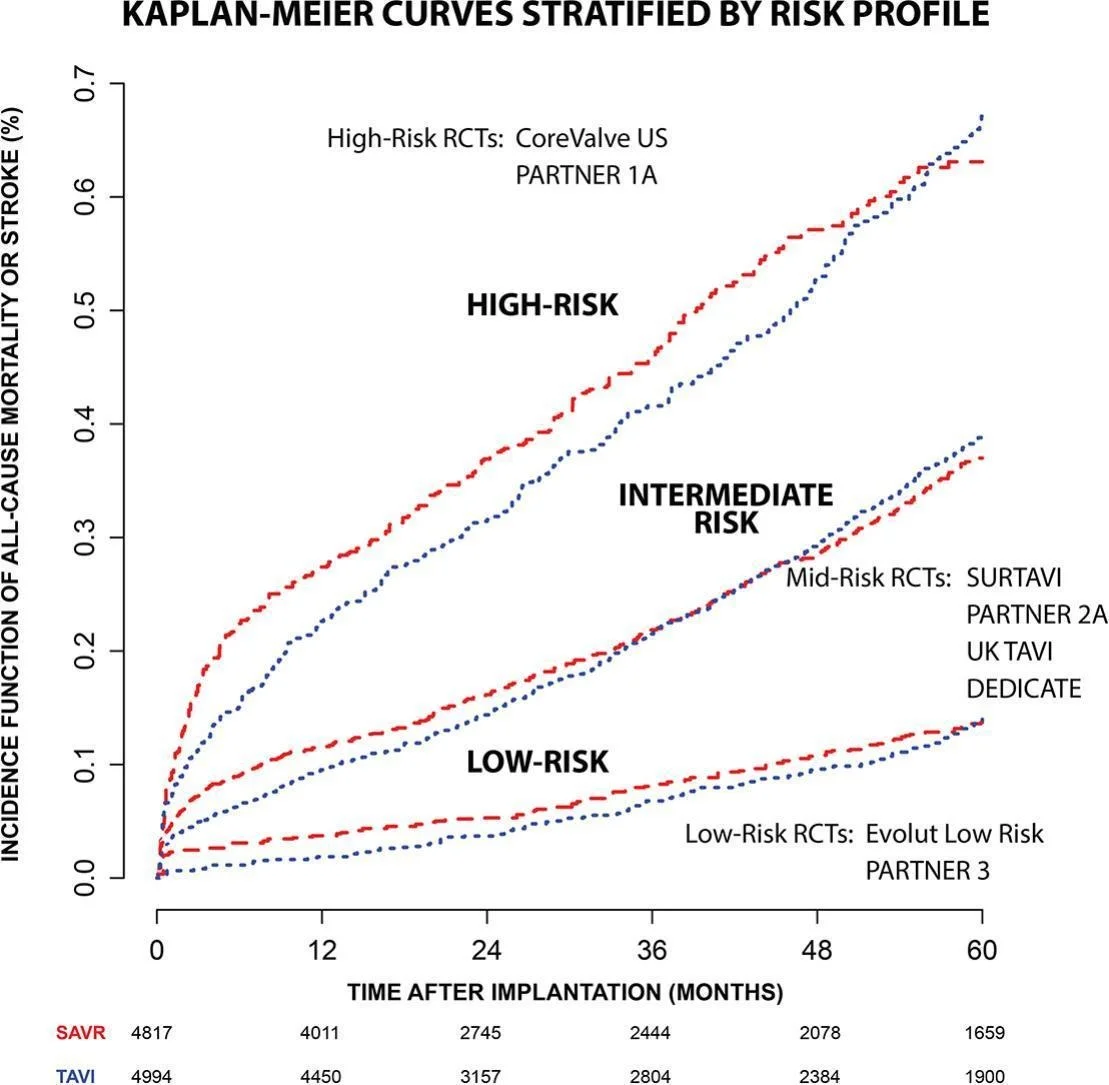
International Journal of CardiologyBarili et al.meta-analysis

At 5 years, there was no significant difference in the composite of death or stroke between TAVI and SAVR across risk profiles.
While TAVI shows an early benefit over SAVR, there are no significant differences in the composite of death or stroke at 5 years follow-up regardless of baseline surgical risk.
Canadian Journal of CardiologyHeuts et al.review
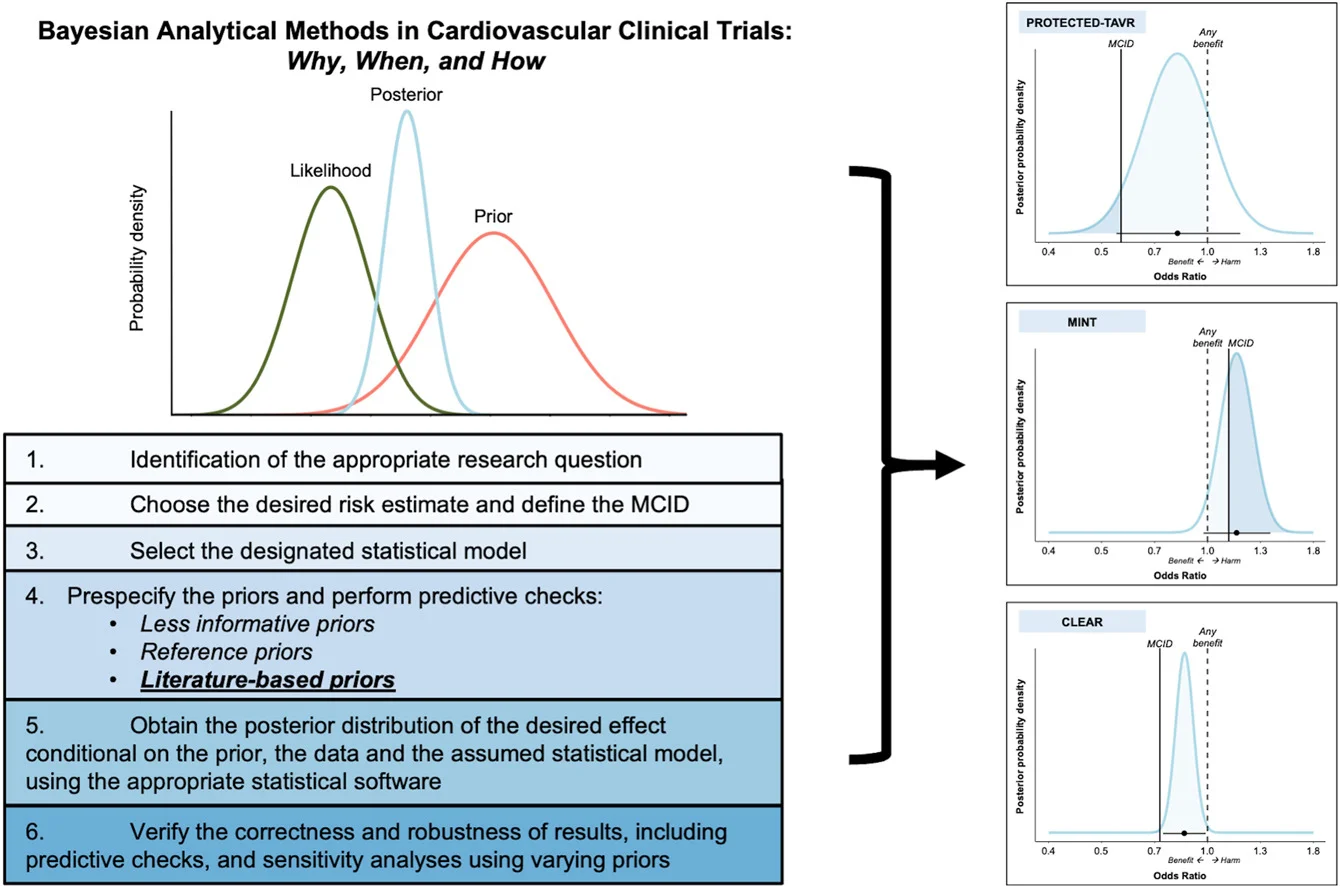
Bayesian analysis guide demonstrates clarity and versatility through the reanalysis of 3 cardiovascular trials.
Equips clinicians to apply Bayesian methods to trial data; extends reanalysis options for cardiovascular RCTs.
European Journal of Cardio-Thoracic SurgeryMilojevic et al.Original Research
Same evidence different recommendations: a methodological assessment of transatlantic guidelines for the management of valvular heart disease
The aim of this study was to identify methodological variations leading to varied recommendations between the American College of Cardiology (ACC)/American Heart Association (AHA) and the European Society of Cardiology (ESC)/European Association for Cardio-Thoracic Surgery (EACTS) valvular heart disease guidelines and to suggest foundational steps towards standardizing guideline development.