MR
Melvyn Rubenfire
General / Preventive / Lipids
University of Michigan
About
Melvyn Rubenfire works in General / Preventive / Lipids affiliated with University of Michigan.
Melvyn Rubenfire is Professor Emeritus of Internal Medicine at the University of Michigan. He previously served as Director of Preventive Cardiology there and has research interests including cardiovascular physiology, pulmonary hypertension, and lipid markers.
Research focus
Preventive CardiologyCardiac RehabilitationLipid ManagementPulmonary HypertensionCardiovascular Physiology
Impact
380 pubs · 10,472 cites · h-index 49
Training
MD
Wayne State University
1965
BS
Wayne State University
1961
Affiliations
Work Experience
Professor Emeritus of Internal Medicine
University of Michigan · 2025 - Present
Tenured Professor of Internal Medicine
University of Michigan · 1991 - 2025
Section Chief of Cardiovascular Diseases
Sinai Hospital · 1970 - 1991
Chairman of Department of Medicine
Sinai Hospital · 1984 - 1991
Publications
Original Research1 mentionsJACC Highlight
MAR 2020DebJournal of the American College of Cardiology
Social support and gender show unclear impact on cardiac rehabilitation completion post-event.
Social support and gender effects on cardiac rehabilitation completion need clarification; leaves open targeted strategies for post-event patients.
Original ResearchJACC Highlight
OCT 1998RicciardiJournal of the American College of Cardiology
Inhaled nitric oxide in primary pulmonary hypertension
RCT · n=235JACC Highlight
APR 2010McLaughlinJournal of the American College of Cardiology

Inhaled treprostinil improves peak 6-minute walk distance by a median 20 meters vs. placebo.
The addition of inhaled treprostinil to oral bosentan or sildenafil significantly improves exercise capacity and quality of life in symptomatic patients with pulmonary arterial hypertension.
systematic_review · n=311
JAN 2024CarboneCurrent Problems in Cardiology
Cardiac rehab modestly improves exercise capacity and QoL in acute aortic dissection with 0 adverse events.
Insufficient evidence supports CR after AAD; leaves open need for prospective trials to guide safe implementation.
cohort
SEP 2023BrandtCardiovascular Therapeutics
Alternative cardiac rehab eligibility remains unchanged over time with under 10% of CHD patients qualifying.
Restricts alternative models to few patients; leaves open refined eligibility criteria for broader home-based trials.
cohort · n=1,120
APR 2022CholackInternational Journal of Medical Students
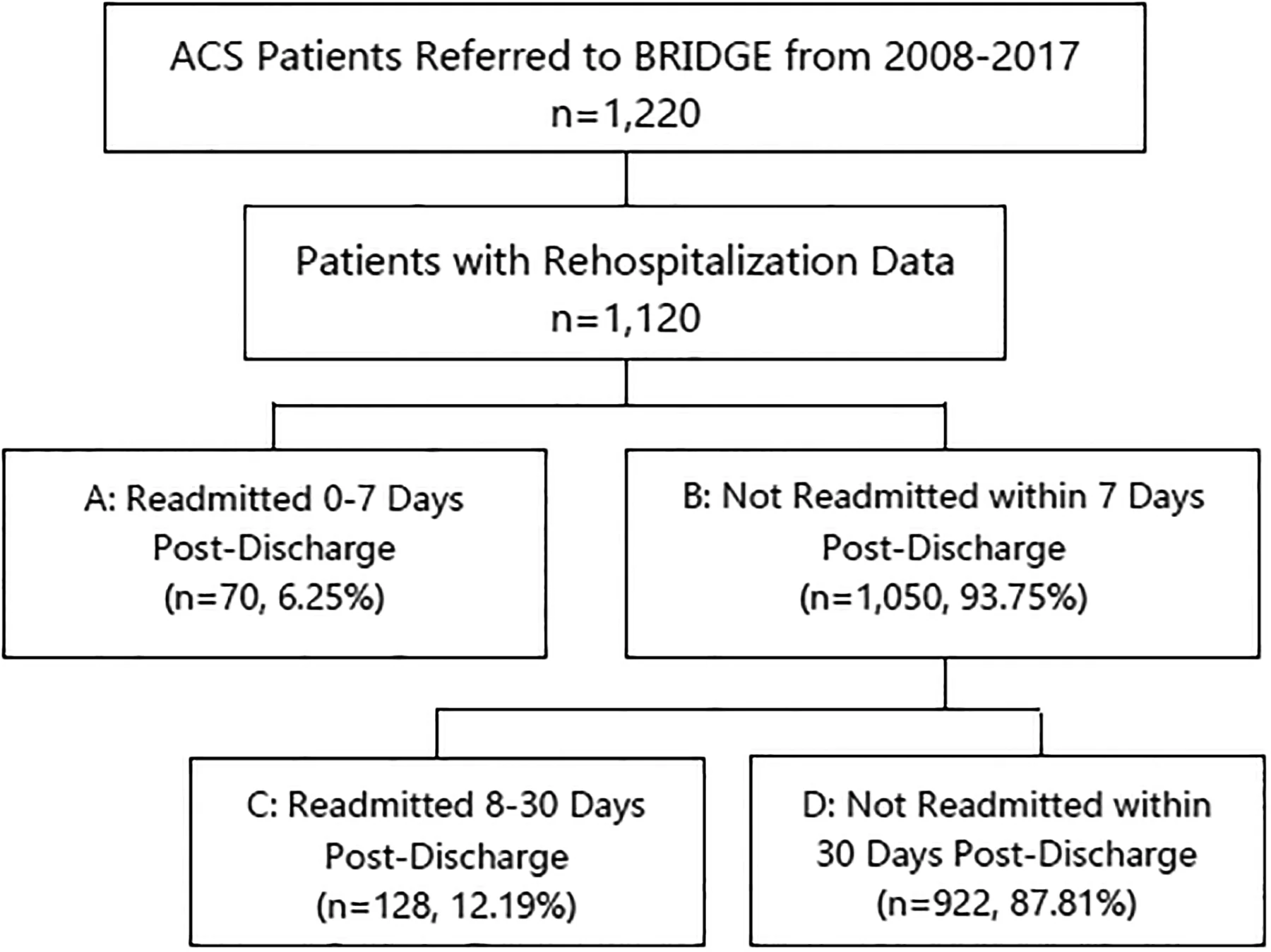
Among patients readmitted within 30 days following acute coronary syndrome, female sex was associated with over twice the odds of early readmission (0-7 days) compared to late readmission (OR 2.26).
Female sex associated with early post-ACS readmission; hypothesis-generating for sex-specific strategies, prospective studies needed.
cohort · n=3,531
SEP 2021CholackHospital Practice
Intensive care unit admission during hospitalization for ACS, AF, or CHF was associated with an increased risk of 30-day all-cause readmission (adj OR 1.31; 95% CI 1.03-1.67).
ICU admission was associated with higher 30-day readmission after ACS/AF/CHF; leaves open whether targeted follow-up reduces risk.
cohort · n=2,912
DEC 2020BryantJournal of Cardiopulmonary Rehabilitation and Prevention
Coordinating cardiac rehabilitation referrals to facilities closer to patients' homes or workplaces increased overall participation from 23% to >50%.
May boost CR participation via nearer referrals; hypothesis-generating and requires RCTs before practice change.
RCT
JUN 2020BardJournal of Cardiopulmonary Rehabilitation and Prevention
Reduced Fine Particulate Matter Air Pollution Exposures Using In-Home Portable Air Cleaners
PURPOSE: Fine particulate matter (PM2.5) air pollution is a leading risk factor for cardiovascular disease. Even low levels common to millions of Americans pose health risks. However, no study has tested protective measures such as in-home portable air cleaners (PACs) among at-risk cardiac patients. We conducted a pilot phase of the Cardiac Rehabilitation Air Filter Trial (CRAFT)-a randomized, double-blind, crossover study of outpatient cardiac rehabilitation patients at Michigan Medicine. METHODS: During a routine visit, patients were provided with 2 PACs to run continuously for 5 d in both the bedroom and the main living space. PACs were randomized as active (with HEPA filter) versus sham. On day 4, subjects wore a personal PM2.5 monitor for 24-hr without activity restrictions. After a 1-wk washout, patients crossed over to the opposite mode. RESULTS: Patients (n = 20; 4 women) were elderly (70.8 ± 9.6 yr) nonsmokers with cardiovascular disease living near the facility (10.7 ± 6.0 mi). Compared with sham, active in-home PAC use significantly lowered personal-level 24-hr PM2.5 exposures by 43.8% (-12.2 μg·m; 95% CI, -24.2 to -0.2). Sensitivity analyses corroborated the reductions in most patients. CONCLUSION: An inexpensive in-home PAC can effectively lower personal PM2.5 exposures in cardiac patients. These benefits occurred even in a region with overall good air quality and if maintained over the long-term could translate into major reductions in cardiovascular events.
review
JUN 2020RubenfireJournal of Clinical Cardiology and Cardiovascular Therapy
Team-based care combining lifestyle optimization, risk estimators, and pharmacotherapy is essential for primary ASCVD prevention.
Emphasizes ASCVD risk factor reduction in prevention; leaves open how to increase ideal cardiovascular health prevalence.
RCT
NOV 2019JosephDiabetes Metabolic Syndrome and Obesity
Supervised exercise plus nutrition improves metabolic syndrome components, achieving ~6.5-kg weight loss at 12 months.
Background: The metabolic syndrome (MetS) is highly prevalent and associated with higher risk of diabetes and cardiovascular events. Exercise programs have been shown to improve components of MetS, but the optimal design of a structured exercise program for treatment of the MetS remains unclear. Purpose: To assess the impact of different exercise programs on the MetS and its components. Methods: MEDLINE via PubMed and Embase was searched. Randomized controlled trials of supervised exercise alone and in combination with nutrition programs compared with usual care in adults with the MetS were selected. Two authors independently reviewed articles to select eligible studies and performed data abstraction. Eight studies representing 1218 patients were included. The participants had a median age of 51, median BMI of 29 kg/m 2 , and were 55% male. Mean weight loss increased with program duration. For combination programs, the mean weight loss was −2.6 kg, −3.7 kg, and −6.5 kg for 3, 6, and 12 months, respectively. The components of the MetS most frequently statistically significantly improved were waist circumference (6/6 studies), blood pressure (4/6 studies), and high-density lipoprotein cholesterol (3/6 studies). Limitations: Studies did not include long-term follow-up post program completion to evaluate persistence of benefit. It is unknown whether the same results would be found in an older, more obese population. Conclusion: Supervised exercise programs yield significant resolution of components of the MetS, particularly in reducing waist circumference. Longer program duration and frequent interval sessions appear to have highest benefit and thus may help reduce cardiovascular risk and diabetes associated with the MetS.
cohort · n=128
SEP 2019HornsbyJournal of Cardiopulmonary Rehabilitation and Prevention
Cardiopulmonary exercise testing after proximal thoracic aortic repair was safe (0 serious adverse events), but VO2peak was significantly reduced vs normative values (19.2 vs 29.3 mL/kg/min, P<.0001).
CPET appears safe with reduced fitness after proximal aortic repair; hypothesis-generating for rehabilitation trials before practice change.
cohort · n=7,321
MAR 2017Mallikethi‐ReddyJournal of Interventional Cardiology
Early discharge rate was 21%; females, bleeding, blood transfusions, stroke, permanent pacemakers, mechanical circulatory support, and acute kidney injury were associated with significantly lower adjusted odds for early discharge.
Complications and female sex limit early TAVI discharge; hypothesis-generating for interventions to safely increase rates.
Risk Assessment
FEB 2017Mallikethi‐ReddyCirculation Cardiovascular Quality and Outcomes
Incidence and Survival After In-Hospital Cardiopulmonary Resuscitation in Nonelderly Adults
Background— Survival trends after in-hospital cardiopulmonary resuscitation (ICPR) for cardiac arrest in nonelderly adults is not well known. Influence of cardiopulmonary resuscitation guidelines on nationwide survival after ICPR is yet to be well elucidated. Methods and Results— We examined survival trends and factors associated with survival after ICPR in nonelderly adults aged 18 to 64 years, using Healthcare Utilization Project Nationwide Inpatient Sample Database from 2007 through 2012 in the United States. Furthermore, we studied the impact of 2010 American Heart Association cardiopulmonary resuscitation guidelines on survival. We identified 235 959 patients who underwent ICPR after cardiac arrest. Overall, 30.4% patients survived to hospital discharge. Survival improved from 27.4% in 2007 to 32.8% in 2012 ( P trend <0.001). Shockable arrest rhythms were noted in 23.3% of patients. Incidence of ICPR increased from 1.81 per 1000 hospitalizations in 2007 to 2.37 per 1000 hospitalizations in 2012 ( P trend <0.001). There was no statistically significant change in survival trends before and after 2010 cardiopulmonary resuscitation guidelines. Female sex and shockable rhythms were associated with higher adjusted odds of survival, whereas black race, lack of health insurance, age, and weekend admission were associated with lower adjusted odds of survival. Conclusions— Among nonelderly adults, survival after ICPR improved significantly from 2007 through 2012, with an overall survival rate of 30.4%. Incidence of ICPR increased significantly during the study period. There was no statistically significant change in survival before and after 2010 cardiopulmonary resuscitation guidelines. Female sex and black race were associated with higher and lower odds of survival, respectively.
cohort · n=12,984
OCT 2016GordonJournal of Cardiopulmonary Rehabilitation and Prevention
Compared with 2000-2004, the 2005-2009 cohort had a higher percentage of patients at goal for blood pressure, LDL cholesterol, and physical activity (P < .001), but lower for BMI (P = .005).
While cardiac rehabilitation improves cardiovascular risk factors, goal achievement remains suboptimal and showed only modest improvements between 2000 and 2009.
cross-sectional · n=166
JAN 2016HertzPharmacogenomics
SNPs in ABCB1 (p=0.049) and CBR3 (p=0.012) were associated with chronic cardiotoxicity in doxorubicin-treated breast cancer patients, while RAC2, NCF4, and SLC28A3 associations were not validated.
Should not guide genetic screening or monitoring changes; leaves open ABCB1/CBR3 validation in prospective cohorts.
Review
NOV 2015GiorginiCurrent Pharmaceutical Design
Particulate air pollution exposure, especially PM2.5, is linked to higher blood pressure and incident hypertension.
Both high arterial blood pressure (BP) and elevated levels of fine particulate matter (PM2.5) air pollution have been associated with an increased risk for several cardiovascular (CV) diseases, including stroke, heart failure, and myocardial infarction. Given that PM2.5 and high BP are each independently leading risk factors for premature mortality worldwide, a potential relationship between these factors would have tremendous public health repercussions. Therefore, the aim of this review is to summarize recent evidence linking air pollution and BP. Epidemiological findings demonstrate that particulate pollutants cause significant increases in BP parameters in relation to both short and long-term exposures, with robust evidence for exposures to PM2.5. Moreover, recent epidemiological studies suggest a positive association between residence within regions with higher levels of ambient PM and an increased incidence and prevalence of overt hypertension. Studies provide consistent results that elevated concentrations of pollutants increase hospital admissions and/or emergency visits for hypertensive disorders and also support that PM levels increases BP in vulnerable subsets of individuals (pregnant women, high CV risk individuals). In this context, PM-mediated BP elevations may be an important pathway which acts as a potential triggering factor for acute CV events. Mechanistic evidence illustrates plausible pathways by which acute and chronic exposures to air pollutants might disrupt hemodynamic balance favoring vasoconstriction, including autonomic imbalance and augmented release of various pro-oxidative, inflammatory and/or hemodynamically-active mediators. Together these responses may underlie PM-induced BP elevations; however, full details regarding the responsible mechanisms require further studies. As a consequence of the ubiquity of air pollution, even a small effect on raising BP and/or the prevalence of hypertension, i.e. the major risk factor for mortality and morbidity worldwide, would have enormous global public health implications.
Risk Assessment
SEP 2015GiorginiJournal of Cardiopulmonary Rehabilitation and Prevention
Air Pollution and Exercise
In Brief Although regular aerobic exercise improves overall health, increased physical activity can lead to heightened exposures to a variety of air pollutants. As such, the cardiovascular health benefits of exercise may be abrogated to some degree by the harmful actions of inhaled pollutants. This review aims to provide an up-to-date summary for health professionals of the cardiovascular responses as well as the risks of exercising in air pollution. Aerobic exercise augments the overall inhaled air pollution dose, potentiates the diffusion of pollutants into circulating blood, and augments oxidative stress and inflammation. The inhalation of particulate matter during exercise can raise blood pressure, impair vascular function, and unfavorably affect autonomic balance. Several studies suggest that air pollutants can increase ischemic symptoms and signs during exercise and can even be capable of impairing exercise performance in some scenarios. The overall evidence supports that the risk-to-benefit ratio generally favors that health care providers continue to strongly encourage their patients to perform regular aerobic exercise. Nevertheless, a greater effort should be made to educate patients about the risks of air pollutant exposures during exercise, particularly those at heightened cardiovascular risk. Although no strategy has been directly tested to reduce morbidity and mortality rate, several prudent actions can be taken to lessen the degree of exposures during exercise which may thereby help mitigate the adverse effects of air pollutants on exercise performance and cardiovascular risk. We reviewed the complex interrelationship between air pollution exposure and aerobic exercise, reporting the cardiovascular consequences of physical exercise in air pollution, as well as the impact on exercise performance itself. Finally, we provide prudent recommendations on the basis of a summary of the overall cardiovascular harm-to-benefit ratio of exercise balanced against air pollution exposure.
Cross-Sectional Study
JUL 2015GiorginiJournal of Hypertension
Short-term PM2.5 exposure increased SBP by 2.1-3.5 mmHg per SD, whereas higher outdoor temperature (per 10.4°C) reduced SBP by 2.3-3.6 mmHg during lag days 4-6.
OBJECTIVE: Fine particulate matter air pollution (PM2.5) and extreme temperatures have both been associated with alterations in blood pressure (BP). However, few studies have evaluated their joint haemodynamic actions among individuals at high risk for cardiovascular events. METHODS: We assessed the effects of short-term exposures during the prior week to ambient PM2.5 and outdoor temperature levels on resting seated BP among 2078 patients enrolling into a cardiac rehabilitation programme at the University of Michigan (from 2003 to 2011) using multiple linear regression analyses adjusting for age, sex, BMI, ozone and the same-day alternate environmental factor (i.e. PM2.5 or temperature). RESULTS: Mean PM2.5 and temperature levels were 12.6 ± 8.2 μg/m and 10.3 ± 10.4°C, respectively. Each standard deviation elevation in PM2.5 concentration during lag days 4-6 was associated with significant increases in SBP (2.1-3.5 mmHg) and DBP (1.7-1.8 mmHg). Conversely, higher temperature levels (per 10.4°C) during lag days 4-6 were associated with reductions in both SBP (-3.6 to -2.3 mmHg) and DBP (-2.5 to -1.8 mmHg). There was little evidence for consistent effect modification by other covariates (e.g. demographics, seasons, medication usage). CONCLUSION: Short-term exposures to PM2.5, even at low concentrations within current air quality standards, are associated with significant increases in BP. Contrarily, higher ambient temperatures prompt the opposite haemodynamic effect. These findings demonstrate that both ubiquitous environmental exposures have clinically meaningful effects on resting BP among high-risk cardiac patients.
cohort
NOV 2014HermanPLoS ONE
Professional wrestlers are more likely to die prematurely from cardiovascular disease compared to the general population, with morbidly obese wrestlers being especially at risk.
May prompt CVD surveillance in wrestlers; leaves open mechanisms and generalizability.