XL
Xiangdong Liu
Innovative Microfluidic and Catalytic Techniques Innovation
Yangzhou University
About
Research focus
Innovative Microfluidic and Catalytic Techniques Innovation
Impact
493 pubs · 10,285 cites · h-index 52
Affiliations
Publications
Original Research
SEP 17LuInternational Journal of Multiphase Flow
Flow regime analysis and prediction for compound droplet generation in a microfluidic device coupling flow-focusing and step emulsification
In this work, a tandem microfluidic device coupling flow-focusing and step emulsification was fabricated to generate compound droplets. Through systematic visualization experiments, four distinct flow regimes were identified, namely two-step compound droplet generation (TSCG), one-step compound droplet generation (OSCG), intermittent generation of multiple single droplets and one compound droplet (IGS&C), and two-step multi-core compound droplet generation (TSMCG). Furthermore, the hydrodynamic mechanisms underlying these flow regimes were elucidated. Both TSCG and OSCG exhibit robust compound droplet generation performance since the generation of the outer droplets is insensitive to flow rate variations, yielding highly monodisperse compound droplets with coefficient of variation ( C.V. ) below 5%. The OSCG dominated by interfacial tension is more favorable for producing the compound droplets with a larger core/shell ratio under higher frequency. Moreover, it produced compound droplets with higher monodispersity than other flow regimes. The influences of the Weber numbers ( We ) of the inner and the middle phases, as well as the distance between the flow-focusing junction and step emulsification nozzle on the compound droplet generation performance were examined and clarified. Regime maps were also provided to quantitatively identify the above four flow regimes depending on these influencing factors. Furthermore, a flow regime prediction method was proposed to predict the flow regime transitions, achieving a prediction accuracy of up to 82.01%.
Original Research
SEP 1HuangPhysics of Fluids
Wake phase interference for passive self-damping of pressure fluctuations in a negative curvature valve
Simulation study reveals passive damping of pressure fluctuations via wake phase interference in concave check valves, suggesting geometric modifications can stabilize internal hydraulic flows.
Original Research
JUL 29LiuInternational Journal of Molecular Sciences
Alogliptin Enhances Implant Osseointegration in Diabetes Through an Osteogenic–Angiogenic Immunomodulatory Procedure
Reveals that alogliptin enhances osseointegration in diabetes, indicating effective treatment options for dental implants.
Original Research
MAR 31YangEconomic Geology
Formation Mechanisms of Lateral Zoning in Orogenic Gold Deposits within Fault Zones: A Case Study of the Xiadian Gold Deposit, Jiaodong Peninsula, China
Case study reveals structural-hydrodynamic impacts on gold mineralization in fault zones, suggesting new exploration strategies.
case_report · n=15 mentions
MAR 1WuJACC Case Reports
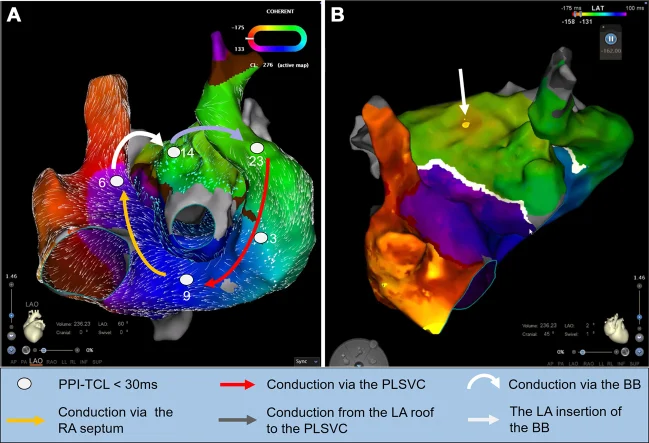
Post-AF ablation biatrial macroreentrant tachycardia arises from epicardial conduits involving persistent LSVC and Bachmann's bundle.
Prompts epicardial evaluation in refractory post-AF tachycardia; extends known macroreentry mechanisms and is hypothesis-generating.
Review
NOV 2025LyInternational Journal of Biological Macromolecules
Natural materials encapsulated polysaccharide-based bioactive films for regenerative healing of chronic wounds: Role of antioxidant, antimicrobial, and anti-inflammatory properties
The global incidence of acute and chronic wounds, combined with mounting antibiotic resistance, expensive hospitalisation, and drug side effects, emphasizes the pressing necessity of cheap, effective, and safe wound care protocols. Under these aspects, polysaccharide films incorporating natural substances have emerged as a greatly promising group of bioactive materials that not only offer physical shielding but also therapeutic activities. Owing to their biodegradability, low cytotoxicity, and superior film-forming potential, polysaccharides with incorporation of natural materials represent ideal candidates for the formulation of new advanced wound dressings. In this review, a thorough and visionary review on natural materials encapsulated polysaccharide-derived films in the treatment of chronic wounds is outlined. It first elaborates on the physiological basis of wound healing, then provides a meticulous overview of the physicochemical and biological properties of major natural materials and polysaccharides responsible for their efficacy as wound dressings. Special emphasis is placed on the introduction of bioactive molecules, such as antimicrobial agents, antioxidants, and growth factors into polysaccharide matrices, transforming them into multi-functional platforms for improved healing and infection prevention. By integrating natural bioactive materials science with clinical needs, this review highlights the revolutionary promise of polysaccharide films loading natural materials in developing next-generation and bio-responsive wound care systems.
Original Research
OCT 2025HuangPlants
Potential Suitable Habitat Range Shift Dynamics of the Rare Orchid Cymbidium cyperifolium in China Under Global Warming
Wild orchids, valued for their beauty and economic importance, are facing the challenges of distribution contraction and range shifts from climate change. The rare Cymbidium cyperifolium (class II in the List of National Key Protected Wild Plants in China, Vulnerable on the China Biodiversity Red List) remains understudied regarding its responses to climate variability. Utilizing an enhanced MaxEnt model, we predicted suitable habitats under diverse climate scenarios, revealing a potential distribution of 52.37 × 10⁴ km2, concentrated in eastern Yunnan, western Guangxi, the Guizhou border, and southern Hainan. Cymbidium cyperifolium is sensitive to climate change, and temperature annual range (Bio 7) contributes a significant 77.42% of the distribution probability (i.e., habitat suitability), highlighting temperature’s pivotal influence on its distribution. Although the overall potential distribution area and low-suitability regions in China are predicted to decrease, medium and high-suitability areas are expected to expand. The center of mass of the high-altitude habitat is concentrated in southeastern Yunnan Province, migrating just slightly, yet tending westward and northeastward. Based on these findings, we recommend the expansion of existing protected areas or the establishment of new ones for C. cyperifolium, particularly in eastern Yunnan and western Guangxi. Additionally, our research can serve as a reference for the ex situ conservation of C. cyperifolium and other orchids with similar ecological habits, underscoring the broader implications in biodiversity preservation efforts.
Cohort Study
OCT 2025RenFrontiers in Medicine
Enhancing dermatological diagnosis for differentiating actinic from seborrheic keratosis using deep learning model
Multi-center prospective study demonstrates improved diagnostic performance of deep learning model for actinic and seborrheic keratosis.
Original Research
AUG 2025Liu
QTMRL: An Agent for Quantitative Trading Decision-Making Based on Multi-Indicator Guided Reinforcement Learning
This paper reveals QTMRL’s effectiveness in improving trading profitability and risk management, leveraging reinforcement learning and multi-indicator approaches.
Original Research
SEP 2025LyuCase Studies in Thermal Engineering
Performance enhancement of PCM-based heat sinks with plate heat-pipe fins and metal foam networks
The low thermal conductivity of phase change materials (PCMs) severely limits the performance of PCM-based heat sinks under high heat flux conditions. To address this, this study introduces a novel hybrid enhancement strategy that couples high-conductivity plate heat-pipe fins with copper foam, thereby creating synergistic vertical and multidirectional heat transfer pathways. An experimental platform with visualization was established to evaluate three heat sink configurations, aluminum (Al) alloy fins, heat-pipe fins, and heat-pipe fins with copper foam, under heat fluxes ranging from 4.2 to 7.0 kW/m 2 . Results show that the integration of heat-pipe fins and copper foam reduces the maximum internal temperature difference by 25% compared with Al alloy fins, and prolongs the time to reach the set point temperature ( SPT ) by 1.25 times during the pre-sensible heating stage and by 2.2 times during the melting stage. These findings demonstrate that the combined design not only enhances thermal conductivity but also promotes uniform phase transition, offering an effective solution to improving thermal management strategy for aerospace electronics, data center cooling, and electric vehicle battery systems.
Original Research
AUG 2025MaChemical Engineering Journal
Trace doping leads to texture engineering and boosts thermoelectric performance of Bi0.5Sb1.5Te3-based flexible thin films
The p -type Bi 0.5 Sb 1.5 Te 3 -based flexible thermoelectric thin films demonstrate exceptional potential for on-chip thermal regulation of next-generation wearable electronics. However, the inferior thermoelectric performance deriving from low carrier mobility, is refraining their wide applications. Taking magnetron-sputtering-prepared Bi 0.5 Sb 1.5 Te 3 -based flexible thermoelectric thin films as examples, this study demonstrates that trace Cu doping can effectively boost the formation of (00 l )-preferred texture, resulting in substantially improved thermoelectric performance. Cu doping preferentially replaces Sb atoms, forming Cu Sb point defects, decreases the surface formation energy of (00 l ) planes, and boosts the formation of (00 l )-preferred texture. The strengthened (00 l )-preferred texture leads to the high carrier mobility of ~23.54 cm 2 V −1 s −1 and excellent electrical conductivity of ~755.05 S cm −1 due to weakened carrier scattering. Consequently, a high room-temperature power factor to ~13.76 μW cm −1 K −2 is achieved. This study demonstrates a trace composition design can effectively boost the formation of (00 l )-preferred texture in Bi 0.5 Sb 1.5 Te 3 -based flexible thermoelectric thin films, contributing to high thermoelectric performance, and extend their application potentials. • Minor Cu-doping can boost the formation of ( 00 l )-preferred texture. • Strengthened texture enhances carrier transport and electrical conductivity. • The thin film with a maximum power factor of ~13.76 μW cm −1 K −2 was achieved. • A device generates a power density of ~121.65 μW cm −2 at ΔT of ~30 K.
Original Research
JUL 2025ChengIEEE Transactions on Power Delivery
Field Experiments on a Magnetic-Coupling-Based Online Frequency Response Curve Measurement System for the Online Monitoring of Power Transformers
Online frequency response analysis (FRA) is expected to be capable of diagnosing winding deformation defects in operating power transformers. However, there is a lack of available experimental field research on online detection methods of frequency response curves. In this paper, we establish a magnetic coupled online frequency response curve measurement system to execute FRA for operating transformers and apply this system to two working power transformers. The principle, technical process, key requirements, structure, performance, and results of field experiments on the online system are presented. The feasibility of online FRA is analyzed through comparisons with frequency response curves from offline measurements. Our online system does not affect transformer safety and can be installed on some transformers without powering them off. The interference generated by a 500 A load current can be compressed by a factor of 100 to measure an FRA current with an amplitude of tens of μV to several mV. The measured online frequency response curve has approximately the same resonance frequency as the offline measured curve and can thus be used to diagnose winding deformation defects.
Original Research
JUN 2025LiuACS Applied Nano Materials
Gold Nanoparticles Encapsulated in Pressure-Deformable Alginate Hydrogel Microspheres as Sensors for Pressure Sensing
The ability to sense mechanical pressure is essential for various biological processes. Despite the importance, sensing tissue pressure is still challenging due to the lack of detecting techniques and the limited accessibility of sensors to the tissue. Herein, we propose a unique plasmonic microsensor based on nano-optomechanical transducers for sensing of pressure in tissues. The microsensor is constructed by densely encapsulating well-distributed gold nanoparticles (GNPs) in pressure-deformable alginate hydrogel microspheres. The size of microgel shrinks under the compression of environmental pressure, decreasing the distance between the embedded GNPs and increasing the GNPs’ plasmonic coupling, which further leads to the change of the optical signal including light absorption, scattering, and photoacoustic signal. By combination of photoacoustic imaging, the pressure of different tissues was successfully sensed by the plasmonic microsensor, providing a promising platform to sense mechanical pressure.
Original Research
MAY 2025LiBMC Surgery
Development and validation of a nomogram for in-stent restenosis within 2 years in patients after iliac or femoral artery stent placement
OBJECTIVE: This study aimed to analyze the risk factors for in-stent restenosis (ISR) within 2 years after iliac or femoral artery stent placement. METHODS: Clinical data of 237 patients diagnosed with peripheral arterial disease (PAD) and receiving iliac or femoral artery stent placement for the first time in the Third Hospital of Hebei Medical University from January 2015 to December 2022 were analyzed. Patients were randomized into training and validation set (7:3). Logistic regression was used to perform univariate and multivariate analysis on the possible factors of ISR, identify independent risk factors, establish a risk nomogram prediction model, and internally verify the predictability and accuracy of the model. RESULTS: Binary logistic regression analysis showed that diabetes, hyperlipidemia, hyperfibrinogenemia and below-the-knee run-offs were independent risk factors for ISR within 2 years after iliac or femoral artery stent placement in patients with PAD. Based on these factors, the risk prediction model is established. The c index of the model was 0.856. The results showed that the risk prediction model has good accuracy in predicting ISR within 2 years after iliac or femoral artery stent placement. CONCLUSIONS: The risk prediction model based on the 4 risk factors of diabetes, hyperlipidemia, hyperfibrinogenemia and below-the-knee run-offs has good predictive performance.
Original Research
MAY 2025QiBeijing Institute of Technology
VICO: Visual-Inertial Continuous-Time Odometry Based on Generalized Hermite Spline
Continuous-time simultaneous localization and mapping (SLAM) facilitates the seamless fusion of asynchronous and high update-rate sensors. The traditional continuous-time parameterizaton adopts the cumulative <tex xmlns:mml="http://www.w3.org/1998/Math/MathML" xmlns:xlink="http://www.w3.org/1999/xlink">B</tex>-splines, causing the complexity in implementation and abstraction of control points. To address these issues, this paper proposes a continuous-time visual-inertial odometry (VIO) based on generalized Hermite spline. The analytical temporal derivatives and Jacobians with respect to the control points are derived, so that the VIO is further formulated as a sliding window based optimization. To validate the efficacy of the proposed method, the extensive evaluations are conducted on the TUM VI and EuRoC dataset. The results demonstrate the state-of-the-art accuracy and realtime performance. Our implementation is fully open-source at https://github.com/FALCONS-Lab/VICO.
Original Research
MAY 2025LuPhysics of Fluids
Triangular nozzle structure control of droplet generation hydrodynamics in microfluidic step emulsification devices
The nozzle structure is identified as a critical factor in controlling monodisperse droplet generation in microfluidic step emulsification devices. Two groups of meticulously designed microfluidic step emulsification devices with distinct triangular nozzles are introduced in this study to systematically investigate the hydrodynamic control of droplet generation by the triangular nozzle structure. Dripping and jetting regimes were characterized through regime diagrams, with the dripping regime identified as optimal for producing highly monodisperse droplets that are insensitive to flow rate variations. An opening angle of 10° was determined as the optimal triangular nozzle design, significantly enhancing the stability of the dripping regime. In this regime, the duration of confined-growing stage exhibits a positive correlation with nozzle volume and ultimately determines the resulting droplet size. Furthermore, the morphological evolution of the dispersed phase within the triangular nozzle was demonstrated to govern the interfacial dynamics throughout the entire droplet generation cycle, closely associated with the nozzle structure. Based on these insights, a predictive model incorporating the triangular nozzle structure was proposed to estimate droplet size in step emulsification devices under the dripping regime, achieving reliable predictions with a maximum relative error of 30%. These findings provide a theoretical and practical framework for customizing droplet size in microfluidic applications, contributing to enhanced precision and efficiency in monodisperse droplet generation.
Original Research
APR 2025RenACS Applied Nano Materials
Nanozyme-Energized SERS Sensor for Ultrasensitive Dual-Mode Bacterial Detection
Bacterial infections threaten public health security and impose an enormous medical and financial burden. Rapid, convenient, and ultrasensitive detection of pathogenic bacteria is critical for early diagnosis of bacterial infections. In this work, we develop an oxidase-like surface-enhanced Raman scattering (SERS) sandwich sensor consisting of capture and signal modules for ultrasensitive dual-mode bacterial detection. The bacterial species-identifiable aptamer-modified iron oxide nanoparticle-based capture module can achieve highly efficient bacterial enrichment in trace concentration. The signal module is prepared by loading plasmonic Au nanoparticles into oxidase-like mesoporous MnO 2 nanozymes, followed by concanavalin A functionalization to form high-intensity SERS hotspots. We demonstrate that the signal module can adsorb SERS-inactive TMB molecules near the hotspots and oxidize them into SERS-active oxTMB, achieving significant amplification of the SERS signal. Meanwhile, the color change from colorless TMB to blue oxTMB endows it with a colorimetric sensing capability. By assembling the signal and capture modules with bacteria, the constructed sandwich sensor exhibits ultrahigh dual-mode detection sensitivity (7 CFU/mL for SERS, and 30 CFU/mL for colorimetric) and selectivity toward model pathogenic bacteria of Staphylococcus aureus . Moreover, the sensor enables rapid and accurate bacterial detection in sepsis blood samples, revealing its great potential for early diagnosis of bacterial infections in clinical settings.
Original Research
APR 2025YaoThe Journal of Pathology
Histone deacetylase 6 inhibition attenuates pathological cardiac hypertrophy by promoting autophagy through MAP1LC3B ubiquitination
Experimental study demonstrates that inhibiting HDAC6 suppresses pathological cardiac hypertrophy in mice, highlighting a novel therapeutic pathway involving MAP1LC3B-mediated autophagy.
Original Research
APR 2025YuPhysics of Fluids
Electrohydrodynamics of compound liquid thread formation in a flow-focusing microchannel under an electric field
The electrohydrodynamics of compound liquid thread formation under an electric field in a flow-focusing microchannel is numerically studied via the phase-field method and the dielectric model. The influences of electric potential and flow rate on the morphology and size of compound liquid thread are clarified. A regime diagram is provided to distinguish the thread formation regimes (i.e., dripping–threading, jetting–threading, and threading–threading regimes) from the non-thread formation regimes. It is found that the electric force and interfacial tension, both acting in the same direction, suppress the growth of the inner phase. Conversely, these two forces oppose each other in the middle phase, counteracting the capillary instability of the middle phase. Therefore, the larger electric force contributes to the elongation and stability of jets, facilitating the generation of continuous compound thread. Moreover, as the larger electric force hinders the growth of the inner phase front under the dripping regime, the formation time and size of the inner droplet are increased, while, under the jetting regime, a larger electric force has a stronger squeezing action on the neck of the inner phase and thus reduces the pinch-off time and size of the inner droplet. Additionally, the straightened thread is widened with increasing electric capillary number. In particular, to control the preferred regime of jet template for producing the peapod-like microfibers, two scaling laws are correspondingly developed to predict the inner droplet radius and outer thread thickness for the dripping–threading regime, which achieve good predict precision with relative error less than ±18%.
Original Research
MAR 2025GaoJournal of Cachexia Sarcopenia and Muscle
Balancing LncRNA H19 and miR‐675 Bioconversion as a Key Regulator of Embryonic Myogenesis Under Maternal Obesity
BACKGROUND: Maternal obesity (MO) impairs fetal skeletal muscle development, but the underlying mechanisms remain poorly defined. The regulatory roles of lncRNA H19 and its first exon derived microRNA675 (miR675) in prenatal muscle development remain to be examined. H19/Igf2 are in the same imprinting cluster with H19 expressed from the maternal allele while Igf2 expresses paternally. H19 contains a G-rich loop, and KH-type splicing regulatory protein (KHSRP) mediates the biogenesis of pre-miRNAs containing G-rich loops, which depends on its phosphorylation by AKT, a key mediator of IGF2 signalling. This study aims to depict the elusive function of these regulators that are affected by MO during embryonic myogenesis. METHODS: Single-cell transcriptomic sequencing and GeoMx spatial RNA sequencing were performed to identify the differentially expressed genes between embryos from MO and control (CT) mice. Both E11.5 and E13.5 embryos were collected and analysed to validate the sequencing data. The roles of H19 and miR657 in myogenesis were further analysed in P19 embryonic cells via CRISPR/dCas9-mediated H19 activation and inhibition. The epigenetic changes of H19 were analysed by methylated DNA immunoprecipitation, and allele-targeted analysis of H19 was performed by crossing C57BL/6J and CAST/EiJ mice. RESULTS: Transcriptomic analysis showed that MO embryos contained less differentiated myocytes (1.34%) than CT embryos (2.86%). Myogenesis-related GO biological processes were down-regulated in the MO embryonic myotome region. MO embryos showed lower expression of myogenic transcription factors such as Myf5, Myod1, Myog, Mef2c and Myh3 (p < 0.05). MO altered epigenetic modifications of the H19 genomic cluster, showing a decreased methylation level in H19 imprinting control region (p < 0.05) and a diallelic expression pattern of H19, which elevated its expression in MO embryos. Overexpression of H19 inhibited myogenesis in P19 cells, but miR675 promoted myogenesis, suggesting the critical regulatory roles of bioconversion of H19 to miR675. A KHSRP mediates the biogenesis of miR675, a process that relies on its phosphorylation by IGF2/AKT signalling. Knocking-down of KHSRP and inhibition of AKT abolished miR675 biogenesis. MO suppressed IGF2/AKT signalling and blocked KHSRP-dependent miR675 biogenesis in embryos. CONCLUSIONS: We found differential effects of H19 and miR675 on embryonic myogenesis. MO up-regulates H19 but blocks its miR675 bioconversion via suppressing IGF2/AKT/KHSRP signalling axis. Myogenesis in MO embryos was impeded due to the highly accumulated H19 and blocked miR675 biogenesis.