
European Journal of Preventive CardiologyOliva et al.Retrospective Study

Paul M. Ridker
General / Preventive / Lipids
Brigham and Women's Hospital
About
Paul M. Ridker works in General / Preventive / Lipids affiliated with Brigham and Women's Hospital.
Paul M. Ridker, MD, MPH is the Eugene Braunwald Professor of Medicine at Harvard Medical School and Director of the Center for Cardiovascular Disease Prevention at Brigham and Women’s Hospital. He is a board-certified internist and cardiologist with joint appointments in the Division of Cardiovascular Diseases and the Division of Preventive Medicine at Brigham and Women’s Hospital. His research has focused on the role of inflammation in cardiovascular disease.
Research focus
Inflammatory biomarkers in cardiovascular diseaseHigh-sensitivity CRPStatin therapy and anti-inflammatory effectsInterleukin-1β inhibition (CANTOS trial)Preventive cardiology and atherosclerosis
Impact
174 pubs · 65,733 cites · h-index 93
Training
MD
Harvard Medical School
MPH
Harvard School of Public Health
Affiliations
Work Experience
Eugene Braunwald Professor of Medicine
Harvard Medical School
Director, Center for Cardiovascular Disease Prevention
Brigham and Women’s Hospital
Senior Physician / Senior Cardiologist
Brigham and Women’s Hospital · 2005 - Present
Associate Physician
Brigham and Women’s Hospital · 1991 - 1992
Publications

Frontiers in GeneticsFuentes et al.meta-analysis

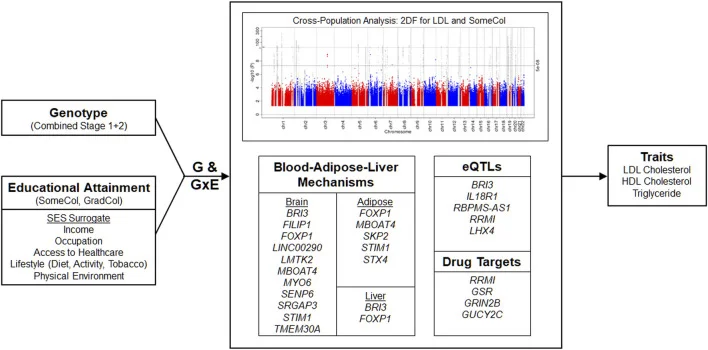
Identified 18 novel lipid loci (nine for LDL, seven for HDL, and two for TG) by two degree-of-freedom joint tests of main and interaction effects, with four loci showing significant interaction with educational attainment.
Identifies 18 novel lipid loci via gene-education interactions; extends genetic architecture of dyslipidemia while leaving clinical translation open.
PLoS ONEHahn et al.meta-analysis
PLCL1 gene variant is linked to ~80% higher risk of prevalent myocardial infarction.
The identification of four new genetic loci (PLCL1, RC3H2, TMPRSS5, and LDLRAD1) associated with cardiovascular risk broadens the understanding of the genetic etiology of coronary artery disease.
DiabetesYaghootkar et al.Original Research
Genetic Studies of Leptin Concentrations Implicate Leptin in the Regulation of Early Adiposity
Leptin influences food intake by informing the brain about the status of body fat stores. Rare LEP mutations associated with congenital leptin deficiency cause severe early-onset obesity that can be mitigated by administering leptin. However, the role of genetic regulation of leptin in polygenic obesity remains poorly understood. We performed an exome-based analysis in up to 57,232 individuals of diverse ancestries to identify genetic variants that influence adiposity-adjusted leptin concentrations. We identify five novel variants, including four missense variants, in LEP, ZNF800, KLHL31, and ACTL9, and one intergenic variant near KLF14. The missense variant Val94Met (rs17151919) in LEP was common in individuals of African ancestry only, and its association with lower leptin concentrations was specific to this ancestry (P = 2 × 10⁻¹⁶, n = 3,901). Using in vitro analyses, we show that the Met94 allele decreases leptin secretion. We also show that the Met94 allele is associated with higher BMI in young African-ancestry children but not in adults, suggesting that leptin regulates early adiposity.
Työväentutkimus VuosikirjaGuo et al.GWAS
A genome-wide cross-phenotype meta-analysis of the association of blood pressure with migraine
Blood pressure (BP) was inconsistently associated with migraine and the mechanisms of BP-lowering medications in migraine prophylaxis are unknown. Leveraging large-scale summary statistics for migraine ( N cases / N controls = 59,674/316,078) and BP ( N = 757,601), we find positive genetic correlations of migraine with diastolic BP (DBP, r g = 0.11, P = 3.56 × 10 −06 ) and systolic BP (SBP, r g = 0.06, P = 0.01), but not pulse pressure (PP, r g = −0.01, P = 0.75). Cross-trait meta-analysis reveals 14 shared loci ( P ≤ 5 × 10 −08 ), nine of which replicate ( P < 0.05) in the UK Biobank. Five shared loci ( ITGB5 , SMG6 , ADRA2B , ANKDD1B , and KIAA0040 ) are reinforced in gene-level analysis and highlight potential mechanisms involving vascular development, endothelial function and calcium homeostasis. Mendelian randomization reveals stronger instrumental estimates of DBP (OR [95% CI] = 1.20 [1.15–1.25]/10 mmHg; P = 5.57 × 10 −25 ) on migraine than SBP (1.05 [1.03–1.07]/10 mmHg; P = 2.60 × 10 −07 ) and a corresponding opposite effect for PP (0.92 [0.88–0.95]/10 mmHg; P = 3.65 × 10 −07 ). These findings support a critical role of DBP in migraine susceptibility and shared biology underlying BP and migraine.
PLoS ONEWu et al.Cohort Study
Smoking-by-genotype interaction in type 2 diabetes risk and fasting glucose
Smoking is a potentially causal behavioral risk factor for type 2 diabetes (T2D), but not all smokers develop T2D. It is unknown whether genetic factors partially explain this variation. We performed genome-environment-wide interaction studies to identify loci exhibiting potential interaction with baseline smoking status (ever vs. never) on incident T2D and fasting glucose (FG). Analyses were performed in participants of European (EA) and African ancestry (AA) separately. Discovery analyses were conducted using genotype data from the 50,000-single-nucleotide polymorphism (SNP) ITMAT-Broad-CARe (IBC) array in 5 cohorts from from the Candidate Gene Association Resource Consortium (n = 23,189). Replication was performed in up to 16 studies from the Cohorts for Heart Aging Research in Genomic Epidemiology Consortium (n = 74,584). In meta-analysis of discovery and replication estimates, 5 SNPs met at least one criterion for potential interaction with smoking on incident T2D at p<1x10⁻⁷ (adjusted for multiple hypothesis-testing with the IBC array). Two SNPs had significant joint effects in the overall model and significant main effects only in one smoking stratum: rs140637 (FBN1) in AA individuals had a significant main effect only among smokers, and rs1444261 (closest gene C2orf63) in EA individuals had a significant main effect only among nonsmokers. Three additional SNPs were identified as having potential interaction by exhibiting a significant main effects only in smokers: rs1801232 (CUBN) in AA individuals, rs12243326 (TCF7L2) in EA individuals, and rs4132670 (TCF7L2) in EA individuals. No SNP met significance for potential interaction with smoking on baseline FG. The identification of these loci provides evidence for genetic interactions with smoking exposure that may explain some of the heterogeneity in the association between smoking and T2D.
Hahn et al.meta-analysis
Low-frequency PLCL1 variant linked to ~80% higher risk of prevalent MI.
This large-scale genetic meta-analysis identified novel low-frequency variants and genes, including PLCL1, TMPRSS5, LDLRAD1, RC3H2, and ANGPTL4, associated with the risk of myocardial infarction and coronary heart disease.
Nature CommunicationsShungin et al.GWAS
Genome-wide analysis of dental caries and periodontitis combining clinical and self-reported data
Dental caries and periodontitis account for a vast burden of morbidity and healthcare spending, yet their genetic basis remains largely uncharacterized. Here, we identify self-reported dental disease proxies which have similar underlying genetic contributions to clinical disease measures and then combine these in a genome-wide association study meta-analysis, identifying 47 novel and conditionally-independent risk loci for dental caries. We show that the heritability of dental caries is enriched for conserved genomic regions and partially overlapping with a range of complex traits including smoking, education, personality traits and metabolic measures. Using cardio-metabolic traits as an example in Mendelian randomization analysis, we estimate causal relationships and provide evidence suggesting that the processes contributing to dental caries may have undesirable downstream effects on health.
JAMA CardiolEllervik et al.GWAS
Assessment of the Relationship Between Genetic Determinants of Thyroid Function and Atrial Fibrillation
Importance: Increased free thyroxine (FT4) and decreased thyrotropin are associated with increased risk of atrial fibrillation (AF) in observational studies, but direct involvement is unclear. Objective: To evaluate the potential direct involvement of thyroid traits on AF. Design, Setting, and Participants: Study-level mendelian randomization (MR) included 11 studies, and summary-level MR included 55 114 AF cases and 482 295 referents, all of European ancestry. Exposures: Genomewide significant variants were used as instruments for standardized FT4 and thyrotropin levels within the reference range, standardized triiodothyronine (FT3):FT4 ratio, hypothyroidism, standardized thyroid peroxidase antibody levels, and hyperthyroidism. Mendelian randomization used genetic risk scores in study-level analysis or individual single-nucleotide polymorphisms in 2-sample MR for the summary-level data. Main Outcomes and Measures: Prevalent and incident AF. Results: The study-level analysis included 7679 individuals with AF and 49 233 referents (mean age [standard error], 62 [3] years; 15 859 men [29.7%]). In study-level random-effects meta-analysis, the pooled hazard ratio of FT4 levels (nanograms per deciliter) for incident AF was 1.55 (95% CI, 1.09-2.20; P = .02; I2 = 76%) and the pooled odds ratio (OR) for prevalent AF was 2.80 (95% CI, 1.41-5.54; P = .003; I2 = 64%) in multivariable-adjusted analyses. The FT4 genetic risk score was associated with an increase in FT4 by 0.082 SD (standard error, 0.007; P < .001) but not with incident AF (risk ratio, 0.84; 95% CI, 0.62-1.14; P = .27) or prevalent AF (OR, 1.32; 95% CI, 0.64-2.73; P = .46). Similarly, in summary-level inverse-variance weighted random-effects MR, gene-based FT4 within the reference range was not associated with AF (OR, 1.01; 95% CI, 0.89-1.14; P = .88). However, gene-based increased FT3:FT4 ratio, increased thyrotropin within the reference range, and hypothyroidism were associated with AF with inverse-variance weighted random-effects OR of 1.33 (95% CI, 1.08-1.63; P = .006), 0.88 (95% CI, 0.84-0.92; P < .001), and 0.94 (95% CI, 0.90-0.99; P = .009), respectively, and robust to tests of horizontal pleiotropy. However, the subset of hypothyroidism single-nucleotide polymorphisms involved in autoimmunity and thyroid peroxidase antibodies levels were not associated with AF. Gene-based hyperthyroidism was associated with AF with MR-Egger OR of 1.31 (95% CI, 1.05-1.63; P = .02) with evidence of horizontal pleiotropy (P = .045). Conclusions and Relevance: Genetically increased FT3:FT4 ratio and hyperthyroidism, but not FT4 within the reference range, were associated with increased AF, and increased thyrotropin within the reference range and hypothyroidism were associated with decreased AF, supporting a pathway involving the pituitary-thyroid-cardiac axis.
Pulit et al.case-control
An atrial fibrillation polygenic risk score was associated with cardioembolic stroke, independent of clinical risk factors.
AF PRS may support cardioembolic stroke risk stratification; hypothesis-generating and requires prospective validation before clinical use.
Nature CommunicationsJoshi et al.GWAS
Genome-wide meta-analysis associates HLA-DQA1/DRB1 and LPA and lifestyle factors with human longevity
Genomic analysis of longevity offers the potential to illuminate the biology of human aging. Here, using genome-wide association meta-analysis of 606,059 parents' survival, we discover two regions associated with longevity (HLA-DQA1/DRB1 and LPA). We also validate previous suggestions that APOE, CHRNA3/5, CDKN2A/B, SH2B3 and FOXO3A influence longevity. Next we show that giving up smoking, educational attainment, openness to new experience and high-density lipoprotein (HDL) cholesterol levels are most positively genetically correlated with lifespan while susceptibility to coronary artery disease (CAD), cigarettes smoked per day, lung cancer, insulin resistance and body fat are most negatively correlated. We suggest that the effect of education on lifespan is principally mediated through smoking while the effect of obesity appears to act via CAD. Using instrumental variables, we suggest that an increase of one body mass index unit reduces lifespan by 7 months while 1 year of education adds 11 months to expected lifespan.Variability in human longevity is genetically influenced. Using genetic data of parental lifespan, the authors identify associations at HLA-DQA/DRB1 and LPA and find that genetic variants that increase educational attainment have a positive effect on lifespan whereas increasing BMI negatively affects lifespan.
PLoS GeneticsShungin et al.GWAS
Ranking and characterization of established BMI and lipid associated loci as candidates for gene-environment interactions
Phenotypic variance heterogeneity across genotypes at a single nucleotide polymorphism (SNP) may reflect underlying gene-environment (G×E) or gene-gene interactions. We modeled variance heterogeneity for blood lipids and BMI in up to 44,211 participants and investigated relationships between variance effects (Pv), G×E interaction effects (with smoking and physical activity), and marginal genetic effects (Pm). Correlations between Pv and Pm were stronger for SNPs with established marginal effects (Spearman's ρ = 0.401 for triglycerides, and ρ = 0.236 for BMI) compared to all SNPs. When Pv and Pm were compared for all pruned SNPs, only BMI was statistically significant (Spearman's ρ = 0.010). Overall, SNPs with established marginal effects were overrepresented in the nominally significant part of the Pv distribution (Pbinomial <0.05). SNPs from the top 1% of the Pm distribution for BMI had more significant Pv values (PMann-Whitney = 1.46×10⁻⁵), and the odds ratio of SNPs with nominally significant (<0.05) Pm and Pv was 1.33 (95% CI: 1.12, 1.57) for BMI. Moreover, BMI SNPs with nominally significant G×E interaction P-values (Pint<0.05) were enriched with nominally significant Pv values (Pbinomial = 8.63×10⁻⁹ and 8.52×10⁻⁷ for SNP × smoking and SNP × physical activity, respectively). We conclude that some loci with strong marginal effects may be good candidates for G×E, and variance-based prioritization can be used to identify them.
Scientific ReportsGorski et al.GWAS
1000 Genomes-based meta-analysis identifies 10 novel loci for kidney function
HapMap imputed genome-wide association studies (GWAS) have revealed >50 loci at which common variants with minor allele frequency >5% are associated with kidney function. GWAS using more complete reference sets for imputation, such as those from The 1000 Genomes project, promise to identify novel loci that have been missed by previous efforts. To investigate the value of such a more complete variant catalog, we conducted a GWAS meta-analysis of kidney function based on the estimated glomerular filtration rate (eGFR) in 110,517 European ancestry participants using 1000 Genomes imputed data. We identified 10 novel loci with p-value < 5 × 10 −8 previously missed by HapMap-based GWAS. Six of these loci ( HOXD8 , ARL15 , PIK3R1 , EYA4 , ASTN2 , and EPB41L3 ) are tagged by common SNPs unique to the 1000 Genomes reference panel. Using pathway analysis, we identified 39 significant (FDR < 0.05) genes and 127 significantly (FDR < 0.05) enriched gene sets, which were missed by our previous analyses. Among those, the 10 identified novel genes are part of pathways of kidney development, carbohydrate metabolism, cardiac septum development and glucose metabolism. These results highlight the utility of re-imputing from denser reference panels, until whole-genome sequencing becomes feasible in large samples.
Nature CommunicationsKilpeläinen et al.GWAS
Genome-wide meta-analysis uncovers novel loci influencing circulating leptin levels
Leptin is an adipocyte-secreted hormone, the circulating levels of which correlate closely with overall adiposity. Although rare mutations in the leptin (LEP) gene are well known to cause leptin deficiency and severe obesity, no common loci regulating circulating leptin levels have been uncovered. Therefore, we performed a genome-wide association study (GWAS) of circulating leptin levels from 32,161 individuals and followed up loci reaching P<10(-6) in 19,979 additional individuals. We identify five loci robustly associated (P<5 × 10(-8)) with leptin levels in/near LEP, SLC32A1, GCKR, CCNL1 and FTO. Although the association of the FTO obesity locus with leptin levels is abolished by adjustment for BMI, associations of the four other loci are independent of adiposity. The GCKR locus was found associated with multiple metabolic traits in previous GWAS and the CCNL1 locus with birth weight. Knockdown experiments in mouse adipose tissue explants show convincing evidence for adipogenin, a regulator of adipocyte differentiation, as the novel causal gene in the SLC32A1 locus influencing leptin levels. Our findings provide novel insights into the regulation of leptin production by adipose tissue and open new avenues for examining the influence of variation in leptin levels on adiposity and metabolic health.
Molecular PsychiatryIbrahim‐Verbaas et al.Cohort Study
GWAS for executive function and processing speed suggests involvement of the CADM2 gene
To identify common variants contributing to normal variation in two specific domains of cognitive functioning, we conducted a genome-wide association study (GWAS) of executive functioning and information processing speed in non-demented older adults from the CHARGE (Cohorts for Heart and Aging Research in Genomic Epidemiology) consortium. Neuropsychological testing was available for 5429-32,070 subjects of European ancestry aged 45 years or older, free of dementia and clinical stroke at the time of cognitive testing from 20 cohorts in the discovery phase. We analyzed performance on the Trail Making Test parts A and B, the Letter Digit Substitution Test (LDST), the Digit Symbol Substitution Task (DSST), semantic and phonemic fluency tests, and the Stroop Color and Word Test. Replication was sought in 1311-21860 subjects from 20 independent cohorts. A significant association was observed in the discovery cohorts for the single-nucleotide polymorphism (SNP) rs17518584 (discovery P-value=3.12 × 10(-8)) and in the joint discovery and replication meta-analysis (P-value=3.28 × 10(-9) after adjustment for age, gender and education) in an intron of the gene cell adhesion molecule 2 (CADM2) for performance on the LDST/DSST. Rs17518584 is located about 170 kb upstream of the transcription start site of the major transcript for the CADM2 gene, but is within an intron of a variant transcript that includes an alternative first exon. The variant is associated with expression of CADM2 in the cingulate cortex (P-value=4 × 10(-4)). The protein encoded by CADM2 is involved in glutamate signaling (P-value=7.22 × 10(-15)), gamma-aminobutyric acid (GABA) transport (P-value=1.36 × 10(-11)) and neuron cell-cell adhesion (P-value=1.48 × 10(-13)). Our findings suggest that genetic variation in the CADM2 gene is associated with individual differences in information processing speed.
CirculationDesikan et al.GWAS
Conditioning on CRP and lipid genetics reveals novel Alzheimer risk variants linked to ~7% higher risk.
Genome-wide analysis demonstrates genetic overlap between plasma lipids, C-reactive protein, and Alzheimer disease, highlighting shared biological pathways for dementia.
International Journal of EpidemiologyShungin et al.Cohort Study
Using genetics to test the causal relationship of total adiposity and periodontitis: Mendelian randomization analyses in the Gene-Lifestyle Interactions and Dental Endpoints (GLIDE) Consortium
BACKGROUND: The observational relationship between obesity and periodontitis is widely known, yet causal evidence is lacking. Our objective was to investigate causal associations between periodontitis and body mass index (BMI). METHODS: We performed Mendelian randomization analyses with BMI-associated loci combined in a genetic risk score (GRS) as the instrument for BMI. All analyses were conducted within the Gene-Lifestyle Interactions and Dental Endpoints (GLIDE) Consortium in 13 studies from Europe and the USA, including 49,066 participants with clinically assessed (seven studies, 42.1% of participants) and self-reported (six studies, 57.9% of participants) periodontitis and genotype data (17,672/31,394 with/without periodontitis); 68,761 participants with BMI and genotype data; and 57,871 participants (18,881/38,990 with/without periodontitis) with data on BMI and periodontitis. RESULTS: In the observational meta-analysis of all participants, the pooled crude observational odds ratio (OR) for periodontitis was 1.13 [95% confidence interval (CI): 1.03, 1.24] per standard deviation increase of BMI. Controlling for potential confounders attenuated this estimate (OR = 1.08; 95% CI:1.03, 1.12). For clinically assessed periodontitis, corresponding ORs were 1.25 (95% CI: 1.10, 1.42) and 1.13 (95% CI: 1.10, 1.17), respectively. In the genetic association meta-analysis, the OR for periodontitis was 1.01 (95% CI: 0.99, 1.03) per GRS unit (per one effect allele) in all participants and 1.00 (95% CI: 0.97, 1.03) in participants with clinically assessed periodontitis. The instrumental variable meta-analysis of all participants yielded an OR of 1.05 (95% CI: 0.80, 1.38) per BMI standard deviation, and 0.90 (95% CI: 0.56, 1.46) in participants with clinical data. CONCLUSIONS: Our study does not support total adiposity as a causal risk factor for periodontitis, as the point estimate is very close to the null in the causal inference analysis, with wide confidence intervals.
Obesity ReviewsZimmermann et al.GWAS
Is the adiposity‐associated FTO gene variant related to all‐cause mortality independent of adiposity? Meta‐analysis of data from 169,551 Caucasian adults
Previously, a single nucleotide polymorphism (SNP), rs9939609, in the FTO gene showed a much stronger association with all-cause mortality than expected from its association with body mass index (BMI), body fat mass index (FMI) and waist circumference (WC). This finding implies that the SNP has strong pleiotropic effects on adiposity and adiposity-independent pathological pathways that leads to increased mortality. To investigate this further, we conducted a meta-analysis of similar data from 34 longitudinal studies including 169,551 adult Caucasians among whom 27,100 died during follow-up. Linear regression showed that the minor allele of the FTO SNP was associated with greater BMI (n = 169,551; 0.32 kg m(-2) ; 95% CI 0.28-0.32, P < 1 × 10(-32) ), WC (n = 152,631; 0.76 cm; 0.68-0.84, P < 1 × 10(-32) ) and FMI (n = 48,192; 0.17 kg m(-2) ; 0.13-0.22, P = 1.0 × 10(-13) ). Cox proportional hazard regression analyses for mortality showed that the hazards ratio (HR) for the minor allele of the FTO SNPs was 1.02 (1.00-1.04, P = 0.097), but the apparent excess risk was eliminated after adjustment for BMI and WC (HR: 1.00; 0.98-1.03, P = 0.662) and for FMI (HR: 1.00; 0.96-1.04, P = 0.932). In conclusion, this study does not support that the FTO SNP is associated with all-cause mortality independently of the adiposity phenotypes.
Nature CommunicationsPostmus et al.GWAS
Pharmacogenetic meta-analysis of genome-wide association studies of LDL cholesterol response to statins
Statins effectively lower LDL cholesterol levels in large studies and the observed interindividual response variability may be partially explained by genetic variation. Here we perform a pharmacogenetic meta-analysis of genome-wide association studies (GWAS) in studies addressing the LDL cholesterol response to statins, including up to 18,596 statin-treated subjects. We validate the most promising signals in a further 22,318 statin recipients and identify two loci, SORT1/CELSR2/PSRC1 and SLCO1B1, not previously identified in GWAS. Moreover, we confirm the previously described associations with APOE and LPA. Our findings advance the understanding of the pharmacogenetic architecture of statin response.
Human Molecular GeneticsQi et al.Original Research
FTO genetic variants, dietary intake and body mass index: insights from 177 330 individuals
FTO is the strongest known genetic susceptibility locus for obesity. Experimental studies in animals suggest the potential roles of FTO in regulating food intake. The interactive relation among FTO variants, dietary intake and body mass index (BMI) is complex and results from previous often small-scale studies in humans are highly inconsistent. We performed large-scale analyses based on data from 177,330 adults (154 439 Whites, 5776 African Americans and 17 115 Asians) from 40 studies to examine: (i) the association between the FTO-rs9939609 variant (or a proxy single-nucleotide polymorphism) and total energy and macronutrient intake and (ii) the interaction between the FTO variant and dietary intake on BMI. The minor allele (A-allele) of the FTO-rs9939609 variant was associated with higher BMI in Whites (effect per allele = 0.34 [0.31, 0.37] kg/m(2), P = 1.9 × 10(-105)), and all participants (0.30 [0.30, 0.35] kg/m(2), P = 3.6 × 10(-107)). The BMI-increasing allele of the FTO variant showed a significant association with higher dietary protein intake (effect per allele = 0.08 [0.06, 0.10] %, P = 2.4 × 10(-16)), and relative weak associations with lower total energy intake (-6.4 [-10.1, -2.6] kcal/day, P = 0.001) and lower dietary carbohydrate intake (-0.07 [-0.11, -0.02] %, P = 0.004). The associations with protein (P = 7.5 × 10(-9)) and total energy (P = 0.002) were attenuated but remained significant after adjustment for BMI. We did not find significant interactions between the FTO variant and dietary intake of total energy, protein, carbohydrate or fat on BMI. Our findings suggest a positive association between the BMI-increasing allele of FTO variant and higher dietary protein intake and offer insight into potential link between FTO, dietary protein intake and adiposity.