European Journal of Preventive CardiologyGostoli et al.Original Research
SG
Sara Gostoli
Cardiac Health and Mental Health
University of Bologna
About
Research focus
Cardiac Health and Mental Health
Impact
72 pubs · 1,007 cites · h-index 16
Affiliations
Publications
Clinical Psychology & PsychotherapyCosci et al.Clinical Trial
Psychological Assessment of Illness Denial in Medical Settings: A Critical Review
Critical review assesses illness denial tools in medical patients, suggesting effective screening options.
Journal of Clinical MedicineGigante et al.Original Research
Psychosomatic Profiles and Their Association with Health Behaviors in Patients with Inflammatory Bowel Disease (IBD) and Low Disease Activity
Background/Objectives: Inflammatory bowel diseases (IBDs) are chronic conditions with significant psychological comorbidities. Research on subclinical psychosomatic syndromes in this category of patients remains limited. This study aimed to identify distinct psychosomatic profiles using the Diagnostic Criteria for Psychosomatic Research—Revised (DCPR-R) framework and to examine their associations with health behaviors. Methods: A total of 111 adult IBD patients in clinical remission or with low disease activity were enrolled and underwent a comprehensive assessment of sociodemographic and clinical variables, psychosomatic syndromes and health behaviors. Hierarchical clustering using complete linkage and Jaccard distance was performed on two subsets of common psychosomatic syndromes in this sample. Associations between psychosomatic syndromes and profiles and health behaviors were examined using multiple regression models, controlling for IBD severity and applying Benjamini–Hochberg correction. Analyses were conducted according to a pre-registered protocol. Results: Six distinct clusters were identified: irritability (9.3%), pure allostatic overload (18.7%), pure alexithymia (26.7%), overwhelmed type A behavior (12%), subclinical depressive mood (13.3%), and alexithymic type A behavior (26.7%). Pure alexithymia patients showed higher smoking odds (OR = 3.85, p = 0.033) and overwhelmed type A behavior patients showed less frequent physical activity (OR = 0.27, p = 0.018). For individual syndromes, irritable mood was associated with lower alcohol consumption (OR = 0.29, p = 0.035) while type A behavior was associated with higher consumption (OR = 1.87, p = 0.030). However, all associations became non-significant after false discovery rate correction. Conclusions: IBD patients with low disease activity exhibit distinct psychosomatic profiles. While specific syndromes and profiles showed trends toward certain health behaviors, associations were not robust to multiple comparison correction. Psychosomatic profiling may inform personalized clinical approaches, though larger studies are needed to establish definitive associations with health behaviors.
Frontiers in PharmacologyGostoli et al.Systematic Review
Corticosteroid-induced manic and/or psychotic symptoms: a systematic review
Systematic review examines corticosteroid-induced manic and psychotic symptoms in patients, highlighting risk factors for their development.
NutrientsDato et al.Original Research
Psychological Well-Being and Dysfunctional Eating Styles as Key Moderators of Sustainable Eating Behaviors: Mind the Gap Between Intention and Action
Background: Promoting sustainable eating is gaining increasing attention, yet the transition from intentions to actual behaviors remains unclear. This study compares the theory of planned behavior (TPB) and the theory of behavioral choice (TBC) in predicting such intentions and examines the moderating role of distress, psychological well-being, and dysfunctional eating styles in the intention–behavior relationship. Methods: A total of 223 participants from the general population (29.49 ± 9.30 years; 68.6% females) completed an online survey assessing TPB and TBC predictors, the Sustainable and Healthy Dietary Behaviors (SHDB) questionnaire, the Depression and Anxiety Stress Scale (DASS-21), the Psychological Well-Being Scale (PWBS), and the Dutch Eating Behavior Questionnaire (DEBQ). Results: The TBC model explained a significantly greater variance in intention (R2 = 0.45, ΔR2 = 0.28, F(215,4) = 27.27, p < 0.001) compared to the TPB, with TBC-affect (β = 0.48, p < 0.001) and felt obligation (β = 0.23, p < 0.001) being the strongest predictors. Moderation analyses revealed that the intention–behavior link was stronger in participants with lower external eating and autonomy. Conclusions: Both internal and external factors play a crucial role in predicting intentions. In addition, the intention–behavior link is stronger in individuals who are less reactive to external food stimuli and more influenced by social pressure. Promoting more balanced psychological well-being and functional eating habits may foster more sustainable diets.
Frontiers in PsychiatryFigueiredo et al.Original Research
Modeling of demoralization in breast cancer
Objective: This study aimed at identifying correlates of demoralization in breast cancer. Materials and methods: Information was obtained from outpatients with breast cancer at the Oncology Clinic of a university-affiliated hospital in the United States, using reliable and valid scales, and from the participants' medical records on demographic and social characteristics, location, type, and stage of cancer, whether it was a re-occurrence or first time diagnosed, type of cancer treatment, medications being used, history of mental disorder, functional impairment, perceived stress, perceived social support, resilience, subjective incompetence, demoralization, and depression. Demoralization was measured with the Demoralization Scale. Bivariable and multivariable analyses were conducted with demoralization as the dependent variable. Results: Demoralization correlated positively with functional impairment, perceived stress, depression, and subjective incompetence, and negatively with months since diagnosed with breast cancer, perceived social support, resilience, and quality of life. Forward stepwise regression conducted without depression in the regression equation identified emotional wellbeing subscale of quality of life, resilience, subjective incompetence, perceived social support, and functional impairment as significant. After forced entry of depression, perceived social support and mild depression ceased to be significant, leaving only moderate and severe depression as significant. Perceived stress did not enter any of the regression models. Conclusion: Early detection of demoralization and of the co-occurrence of depression and demoralization are essential for promoting the well-being of patients with breast cancer. Psychotherapy should focus on strengthening the modifiable negative correlates of demoralization, countering the modifiable positive correlates, and preventing the co-occurrence of demoralization and depression.
NutrientsDato et al.Systematic Review
Psychological Theoretical Frameworks of Healthy and Sustainable Food Choices: A Systematic Review of the Literature
The current review underlines that an integrative perspective combining prompts from different psychology fields is needed in order to identify the psychological factors influencing food choices and to develop psychological interventions for the promotion of more sustainable diets.
Frontiers in Cardiovascular MedicineGostoli et al.Cross-Sectional Study
Care manager role for older multimorbid heart failure patients’ needs in relation to psychological distress and quality of life: a cross-sectional study
There are few studies investigating patients' needs in healthcare focusing on disease severity and psychological characteristics of elderly heart failure (HF) patients with multimorbidity, specifically addressed by a care manager (CM). To explore the role of a CM dealing with elderly multimorbid HF patients' needs/preferences according to NYHA class, ejection fraction, psychological/psychosomatic distress and quality of life (QoL), utilizing a Blended Collaborative Care (BCC) approach (ESCAPE; Grant agreement No 945377). Cue cards, self-reported questionnaires, and a semi-structured interview were used to collect data. Twenty-five Italian patients (mean age ± SD = 77.5 ± 6.68) were enrolled between June 2021 and March 2022. The most relevant patients' needs to be addressed by a CM were: education (e.g., on medical comorbidities), individual treatment tailoring (e.g., higher number of appointments with cardiologists) and symptom monitoring. The study highlights the importance of targeting HF patients' needs according to psychological characteristics, whose healthcare requires person-centered care with CM assistance. In view of ESCAPE BCC intervention, a CM should consider specific patients' needs of elderly multimorbid HF patients with psychological, psychosomatic distress, particularly somatization, and lower QoL to achieve a more personalized health care pathway. The «Evaluation of a patient-centred biopsychosocial blended collaborative care pathway for the treatment of multi-morbid elderly patients» (ESCAPE) study has been registered at the University of Göttingen Medical Centre (UMG Reg. No 02853) and the German Clinical Trials Register (DRKS00025120).
BJPsych OpenGostoli et al.Cross-Sectional Study
Subclinical attention-deficit hyperactivity disorder symptoms and unhealthy lifestyle behaviours
Background Literature emphasises the importance of identifying and intervening in the adoption of unhealthy lifestyle behaviours (ULBs) during adolescence at an early stage, to mitigate their long-term detrimental effects. Among the possible associated factors contributing to ULBs, attention-deficit hyperactivity disorder (ADHD) has been shown to play an important role. However, little is known about ADHD subclinical manifestations. Aims The present study aimed to bridge the gap in the literature and shed light on the relationship between subclinical ADHD and early adoption of ULBs during adolescence. Through a clinimetric approach, prevalence of ULBs, severity of ADHD symptoms and psychosocial factors (i.e. allostatic overload, abnormal illness behaviour, quality of life, psychological well-being) were investigated among adolescents. The associations between different degrees of ADHD, ULBs and psychosocial factors were also explored. Method This multicentre cross-sectional study involved 440 adolescents (54.5% females; mean age 14.21 years) from six upper secondary schools. Participants completed self-report questionnaires on sociodemographic characteristics, ULBs, ADHD symptoms and psychosocial factors. Results The most common ULBs were energy drinks/alcohol consumption and problematic smartphone use. Of the sample, 22% showed subclinical ADHD and 20.2% showed clinical ADHD. The subclinical ADHD group showed several ULBs (i.e. altered mindful eating, impaired quality of sleep, problematic technology use) and psychosocial factors, akin to those of ADHD group and different from peers without ADHD symptoms. Conclusions Since subclinical ADHD manifestation is associated with ULBs, similarly to clinical ADHD, identifying subthreshold symptoms during adolescence is crucial, as it could improve health-related outcomes in adulthood across different domains.
HealthcareGostoli et al.Original Research
Attention-Deficit/Hyperactivity Disorder and Unhealthy Lifestyle in Adolescence: Unforeseen Role of Allostatic Overload and Psychological Well-Being
Cross-sectional study demonstrates psychological well-being and allostatic overload moderate unhealthy lifestyle behaviors in adolescents with ADHD, highlighting euthymia as an intervention target.
BMC PsychologyGostoli et al.Original Research
Four-year follow-up of psychiatric and psychosomatic profile in patients with Inflammatory Bowel Disease (IBD)
Psychological characterization of patients affected by Inflammatory Bowel Disease (IBD) focuses on comorbidity with psychiatric disorders, somatization or alexithymia. Whereas IBD patients had higher risk of stable anxiety and depression for many years after the diagnosis of the disease, there is a lack of studies reporting a comprehensive psychosomatic assessment addressing factors of disease vulnerability, also in the long-term. The objective of this investigation is to fill this gap in the current literature. The aims were thus to assess: a) changes between baseline and a 4-year follow-up in psychiatric diagnoses (SCID), psychosomatic syndromes (DCPR), psychological well-being (PWB-I), lifestyle, gastrointestinal symptoms related to IBD and Irritable Bowel Syndrome (IBS)-like symptoms b) stability of psychiatric and psychosomatic syndromes at 4-year follow-up. A total of 111 IBD outpatients were enrolled; 59.5% of them participated at the follow-up. A comprehensive assessment, including both interviews and self-report questionnaires, was provided at baseline and follow-up. Results showed increased psychiatric diagnoses, physical activity, consumption of vegetables and IBS-like symptoms at follow-up. Additionally, whereas psychiatric diagnoses were no longer present and new psychopathological pictures ensued at follow-up, more than half of the sample maintained psychosomatic syndromes (particularly allostatic overload, type A behavior, demoralization) from baseline to follow-up. Long-term presence/persistence of such psychosocial burden indicates the need for integrating a comprehensive psychosomatic evaluation beyond traditional psychiatric nosography in IBD patients. Moreover, since psychosomatic syndromes represent vulnerability factors of diseases, further studies should target subgroups of patients presenting with persistent psychosomatic syndromes and worse course of the disease.
Frontiers in Cardiovascular MedicineGostoli et al.Cross-Sectional Study
Healthcare needs in elderly patients with chronic heart failure in view of a personalized blended collaborative care intervention: a cross sectional study
Introduction: Few studies explored healthcare needs of elderly heart failure (HF) patients with comorbidities in view of a personalized intervention conducted by Care Managers (CM) in the framework of Blended Collaborative Care (BCC). The aims of the present study were to: (1) identify perceived healthcare needs/preferences in elderly patients with HF prior to a CM intervention; (2) investigate possible associations between healthcare needs/preferences, sociodemographic variables (age; sex) and number of comorbidities. Method: Patients aged 65 years or more affected by HF with at least 2 medical comorbidities were enrolled in the study. They were assessed by structured interviewing with colored cue cards that represented six main topics including education, individual tailoring of treatment, monitoring, support, coordination, and communication, related to healthcare needs and preferences. Results: Thirty-three patients (Italy = 21, Denmark = 7, Germany = 5; mean age = 75.2 ± 7.7 years; males 63.6%) were enrolled from June 2021 to February 2022. Major identified needs included: HF information (education), patients' involvement in treatment-related management (individual tailoring of treatment), regular checks of HF symptoms (monitoring), general practitioner update by a CM about progression of symptoms and health behaviors (coordination), and telephone contacts with the CM (communication). Regarding communication modalities with a CM, males preferred phone calls (χ2= 6.291, p = 0.043) and mobile messaging services (χ2= 9.647, p = 0.008), whereas females preferred in-person meetings and a patient dashboard. No differences in needs and preferences according to age and number of comorbidities were found. Discussion: The findings highlight specific healthcare needs and preferences in older HF multimorbid patients, allowing a more personalized intervention delivered by CM in the framework of BCC.
Current Obesity ReportsGostoli et al.Systematic Review
Behavioral Lifestyle Interventions for Weight Loss in Overweight or Obese Patients with Type 2 Diabetes: A Systematic Review of the Literature
Our findings suggest that structured BLIs, characterized by frequent feedback and support, can lead to a clinically meaningful 5% weight loss, regardless of specific behavioral, diet, and physical activity components. Further research should address methodological issues and heterogeneity of interventions, also considering the effect of pharmacological therapies on weight reduction. Lastly, more attention should be paid to the long-term effectiveness of behavioral lifestyle interventions and to the relationship between weight loss and diabetes.
Heart and MindGigante et al.editorial
This commentary emphasizes the need for a comprehensive, tailored approach to conceptualizing and measuring fear of progression in cardiac patients to address their specific psychosocial needs.
There is a pressing need to develop specific conceptualizations and measurement tools for Fear of Progression in cardiac patients to better address their psychosocial needs.
International Journal of Clinical and Health PsychologyGostoli et al.RCT
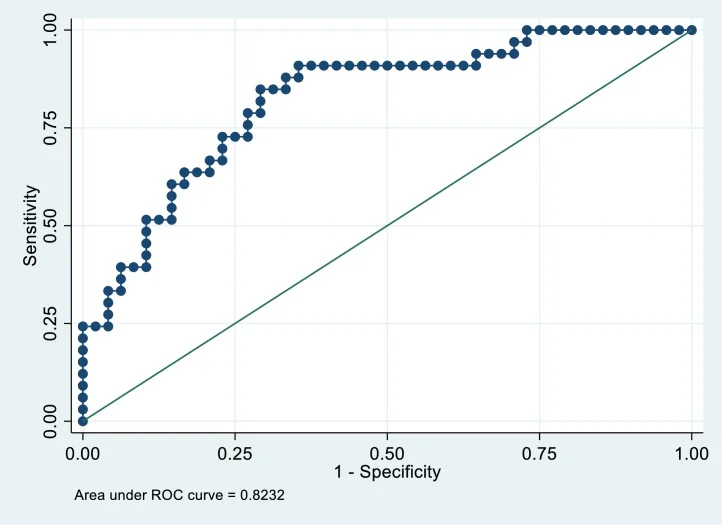
Compared to CM, CBT/WBT reduced demoralization post-treatment, while somatization and history of depression were risk factors for persistence at 3 months.
CBT/WBT may reduce demoralization in ACS; extends RCT evidence for sequential psychological therapy in cardiac patients.
Psychotherapy and PsychosomaticsCui et al.Original Research
Prevalence and Rapid Screen Method of Diagnostic Criteria for Psychosomatic Research Syndromes in Human Papillomavirus-Infected Patients
INTRODUCTION: The early and rapid identification of psychosomatic symptoms is crucial to prevent harmful outcomes in patients with human papillomavirus (HPV) infection in busy comprehensive clinics. This study aimed to explore the prevalence and rapid screening method of the Diagnostic Criteria for Psychosomatic Research-revised (DCPR) syndromes in patients with HPV infection. METHODS: A total of 504 participants underwent a clinical assessment that included DCPR, Diagnostic and Statistical Manual of Mental Disorders, fifth edition (DSM-5), the Social Support Rating Scale (SSRS), the Simplified Coping Style Questionnaire (SCSQ), fear of disease, sociodemographic and clinical characteristics. The prevalence of DCPR syndromes and DSM-5 diagnoses were compared between the HPV-positive and negative patients using χ2 tests. We explored the rapid screen indicator through multiple logistic regression analyses of the participants' psychosocial factors, sociodemographic and clinical characteristics. RESULTS: The incidence of DCPR syndromes in HPV-positive patients (56.6%) was significantly greater than that in HPV-negative patients (17.3%) and DSM-5 diagnoses (8.5%) in the HPV-positive group. Health anxiety, irritable mood, type A behavior, and demoralization were the most common psychosomatic syndromes in HPV-positive patients. As the degree of fear increased from 0 to 5 to 10, the risk of DCPR increased from 1.27 (95% CI: 0.21-7.63) to 3.24 (score range: 1-5, 95% CI: 1.01-10.39) to 9.91 (score range: 6-10, 95% CI: 3.21-30.62) in the HPV-positive group. CONCLUSION: The degree of fear, as an independent risk factor, could be used to quickly screen outpatients with a high risk of DCPR syndrome among women with HPV infection.
International Journal of Environmental Research and Public HealthGostoli et al.Cohort Study
Psychopathological Burden among Healthcare Workers during the COVID-19 Pandemic Compared to the Pre-Pandemic Period
This retrospective observational study on hospital staff requesting an "application visit" (from 2017 to 2022) at the Occupational Medicine department aimed at comparing a "pre-COVID group" (2017-2019) with a "COVID group" (2020-2022) regarding (a) sociodemographic data (i.e., age, sex, occupation, years of employment at the hospital), (b) rate and type of psychiatric diagnoses in both groups and rate of psychiatric diagnoses per subject, and (c) rate of drug/psychotherapeutic prescriptions. Two hundred and five healthcare workers (F = 73.7%; mean age = 50.7 ± 10.33) were visited. Compared with the pre-COVID group, healthcare workers evaluated during COVID-19 were significantly younger and reported fewer years of employment at the hospital. Although rates of primary psychiatric diagnoses were similar in both samples, an increased number of psychopathologies per subject and associated treatment prescriptions in the COVID group was observed. In the COVID group, 61% had one psychiatric diagnosis, and 28% had 2+ psychiatric diagnoses, compared with 83.8% and 6.7% of pre-COVID. Furthermore, 56.2%/1.9% in pre-COVID and 73%/6% in the COVID group were prescribed drugs/psychotherapy, respectively. The findings of the present study highlighted an increase in both younger workers' requests and psychiatric comorbidities during the pandemic, representing a burden on the Italian healthcare system. It is thus relevant to address the mental health challenges of healthcare workers accordingly.
Frontiers in Cardiovascular MedicineEngelmann et al.Original Research
Needs of multimorbid heart failure patients and their carers: a qualitative interview study and the creation of personas as a basis for a blended collaborative care intervention
Introduction: Involving patients and carers in the development of blended collaborative care (BCC) interventions for multimorbid heart failure (HF) patients is recommended but rarely practised, and research on the patient perspective is scarce. The aim of this study is to investigate patients' and carers' care-related needs and preferences to better customize a novel international BCC intervention. Methods: A qualitative study design using framework analysis was employed. The study was performed in accordance with the EQUATOR standards for reporting qualitative research (SRQR). Patients aged at least 65 years with HF and at least two other physical diseases as well as their carers completed semistructured interviews in Germany, Italy, and Denmark. Based on these interviews, personas (prototype profiles of patients and carers) were created. Results: Data from interviews with 25 patients and 17 carers were analysed. Initially, seven country-specific personas were identified, which were iteratively narrowed down to a final set of 3 personas: (a) the one who needs and wants support, (b) the one who has accepted their situation with HF and reaches out when necessary, and (c) the one who feels neglected by the health care system. Carers identifying with the last persona showed high levels of psychological stress and a high need for support. Discussion: This is the first international qualitative study on patients' and carers' needs regarding a BCC intervention using the creation of personas. Across three European countries, data from interviews were used to develop three contrasting personas. Instead of providing "one size fits all" interventions, the results indicate that BCC interventions should offer different approaches based on the needs of individual patients and carers. The personas will serve as a basis for the development of a novel BCC intervention as part of the EU project ESCAPE (Evaluation of a patient-centred biopSychosocial blended collaborative CAre Pathway for the treatment of multimorbid Elderly patients).
Behavioral SciencesRaimondi et al.Original Research
Italian Validation of the Short Version of the Failure to Mentalize Trauma Questionnaire in Adults at Risk Due to Childhood Trauma
The impact of recurrent traumatic experiences during childhood may impede the integration of mentalization abilities and lead to psychopathology. Recently, the Failure to Mentalize Trauma Questionnaire (FMTQ), a comprehensive 29-item self-report scale aimed at identifying deficits in mentalization arising from childhood trauma, was developed. However, the length of the FMTQ may render it impractical for epidemiological studies involving multiple variables and measures. Furthermore, the initial testing revealed inadequate factor reliabilities for the two first-order factors. Therefore, this study aimed to shorten and create a unidimensional version (FMTQ-s) and investigate its psychometric properties, including internal consistency and convergent and concurrent validity, in a non-clinical Italian adult sample. The factor analysis supported a 13-item unidimensional version of the FMTQ with acceptable internal consistency (ordinal alpha = 0.88) and satisfactory convergent and concurrent validity. The FMTQ-s obtained scalar invariance between individuals with and without self-reported childhood traumas. Overall, the FMTQ-s appears to be a feasible and reliable tool for assessing deficits in mentalization resulting from childhood trauma.
Psychology Health & MedicineFantini et al.RCT
An intervention based on Well-Being Therapy to prevent alcohol use and other unhealthy lifestyle behaviors among students: a three-arm cluster randomized controlled trial
Unhealthy lifestyle, such as alcohol use, and negative health outcomes have been associated with impairments in psychological well-being. The primary objective of the study was to test the efficacy of an intervention based on Well-Being Therapy to prevent or stem alcohol use, binge drinking and other unhealthy lifestyle among Italian adolescents in school settings. A three-arm cluster randomized controlled trial including three test periods (baseline, post-test, six-month follow-up) was implemented. Seven classes (144 students) were randomly assigned to receive well-being intervention (WBI), lifestyle intervention (LI), or no intervention (NI). Primary outcomes were alcohol use (AUDIT-C), binge drinking and other unhealthy lifestyle behaviors (i.e. unhealthy diet, physical inactivity, tobacco and cannabis smoking, poor sleep and Internet addiction). Linear mixed models and mixed-effects logistic regression were used to test the efficacy of WBI in comparison with LI and NI. At six-month follow-up, AUDIT-C total score increased more in NI in comparison with WBI (p = 0.044) and LI (p = 0.016), whereas the odds of being classified as at-risk drinker were lower in WBI (p = 0.038) and LI (p = 0.002), than NI. Only WBI showed a protective effect for cannabis use at post-test in comparison with NI (p = 0.003) and LI (p = 0.014). Sleep hours at night decreased more in NI than in LI (p = 0.027) at six months. Internet addiction decreased more in WBI (p = 0.002) and LI (p = 0.005) at post-test in comparison with NI. Although both interventions showed a positive impact on adolescent lifestyle, the positive effect of WBI on cannabis use underlines how this approach might be promising to stem adolescents’ substance use.