Journal of Cardiothoracic and Vascular AnesthesiaMazzeffi et al.Cohort Study

Abdulla A. Damluji
Interventional Cardiology
Johns Hopkins University
About
Abdulla A. Damluji works in Interventional Cardiology affiliated with Johns Hopkins University.
Abdulla A. Damluji is an interventional cardiologist and director of the Cardiovascular Center on Aging at Cleveland Clinic. He is a professor of medicine at the Cleveland Clinic Lerner College of Medicine of Case Western Reserve University. He previously served as an interventional cardiologist and director of the Center for Outcomes Research at Inova Health System and holds an associate professor position at Johns Hopkins University School of Medicine.
Research focus
Structural Heart Disease InterventionsGeriatric CardiologyComplex Percutaneous Coronary InterventionsCardiogenic Shock ManagementAcute Myocardial Infarction Treatment
Impact
277 pubs · 6,069 cites · h-index 32
Training
MD
University of Baghdad School of Medicine
2006
PhD in Clinical Investigation
Johns Hopkins University
2020
Executive MBA
New York University Stern School of Business
2023
Affiliations
Work Experience
Director of the Cardiovascular Center on Aging and Interventional Cardiologist
Cleveland Clinic · 2025 - Present
Interventional Cardiologist and Director of Center for Outcomes Research
Inova Health System · 2019 - 2025
Associate Professor of Medicine
Johns Hopkins University School of Medicine · 2016 - Present
Interventional Cardiologist
Sinai Hospital of Baltimore · 2016 - 2019
Publications
JACC: Cardiovascular InterventionsDamluji et al.Original Research
Complete, But Not All at Once
DiagnosticsNezhad et al.Late-Phase Clinical Trial
Beyond LDL-C: Biomarker-Informed Risk Assessment and Management of Residual Cardiovascular Risk in the Era of Precision Prevention
Despite substantial reductions in atherosclerotic cardiovascular disease (ASCVD) events with intensive low-density lipoprotein cholesterol (LDL-C) lowering, considerable residual cardiovascular risk persists among individuals achieving guideline-recommended LDL-C targets. This residual risk reflects biological pathways not addressed by LDL-C lowering and remains a central challenge in preventive cardiology. This narrative review examines three overlapping domains: residual lipid risk related to triglyceride-rich lipoprotein remnants and excess apolipoprotein B-containing particles; genetically determined lipoprotein(a) [Lp(a)]-mediated risk; and residual inflammatory risk involving the NLRP3 inflammasome and downstream interleukin-1β and interleukin-6 signaling. Complementary biomarkers, including apolipoprotein B, non-HDL cholesterol, remnant cholesterol, Lp(a), and high-sensitivity C-reactive protein, may help characterize residual-risk phenotypes beyond LDL-C alone, although their incremental value and influence on management vary with the strength of prognostic and causal evidence and the availability of effective therapies. Icosapent ethyl and low-dose colchicine have demonstrated cardiovascular benefit in selected high-risk populations, whereas the cardiovascular benefits of therapies targeting apoC-III, ANGPTL3, and Lp(a) remain under evaluation. Recent phase 3 findings have further underscored uncertainty regarding the cardiovascular benefit of interleukin-6 inhibition. Integrating complementary biomarkers with therapies supported by randomized outcomes evidence may enable a more individualized approach to residual cardiovascular risk reduction.
JACCAlexander et al.Guideline

Cognitive Impairment and Frailty in Older Adults With Cardiovascular Disease: 2026 ACC Scientific Statement
This scientific statement emphasizes the need to view cardiovascular disease, cognitive impairment, and frailty in older adults as manifestations of shared aging processes and provides practical management strategies.
Damluji et al.RCT
ST2 and GP6 identify heart failure patients gaining ~2.1-point greater physical performance from rehabilitation.
Baseline ST2/GP6 levels may identify older HF patients most likely to benefit from rehabilitation; extends proteomic stratification to functional recovery in RCTs.
Circulation Cardiovascular InterventionsAlkhatib et al.review
TEER offers a safe, effective alternative for older adults ineligible for surgical valve repair.
Supports TEER for inoperable older adults with mitral-tricuspid disease; extends RCT evidence to multivalve repair.
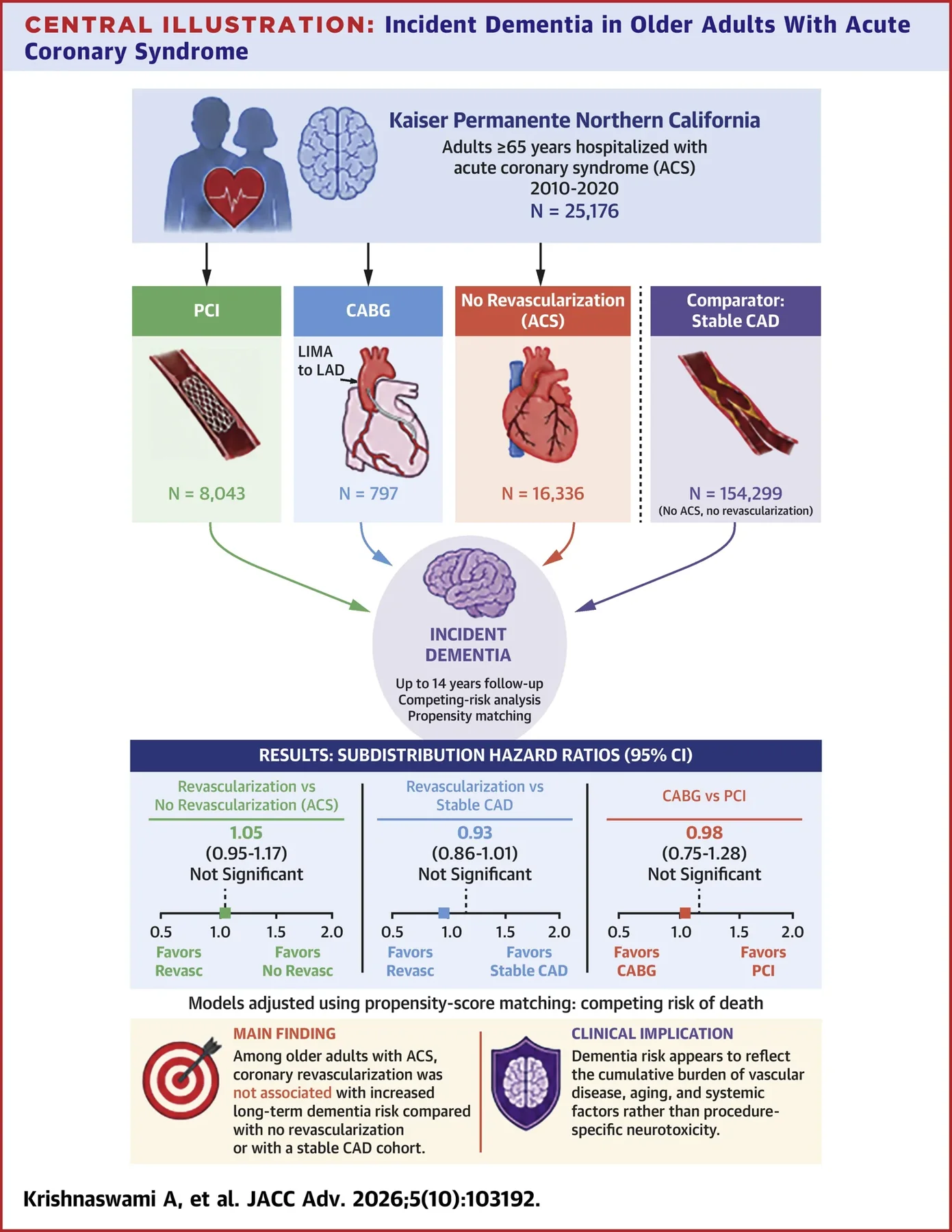
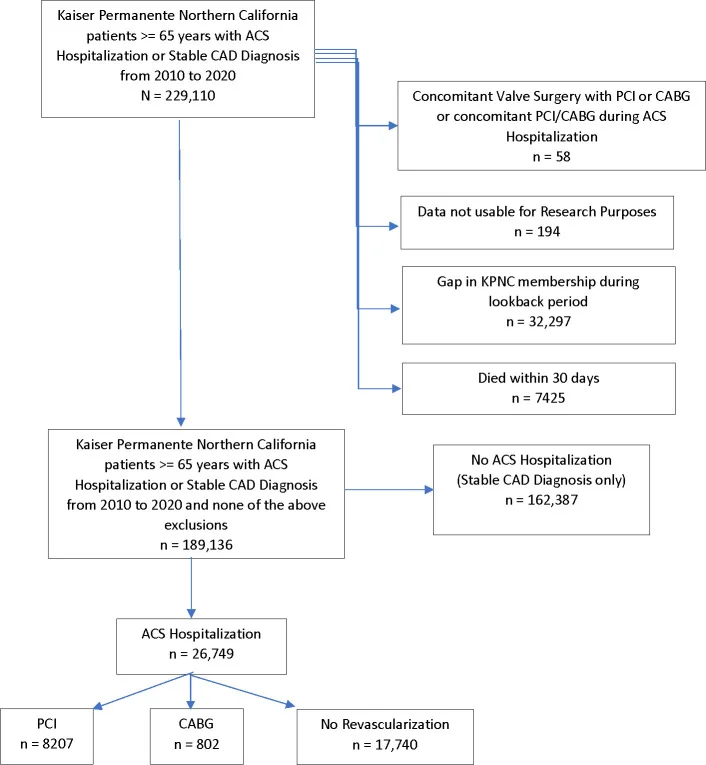
JACC AdvancesKrishnaswami et al.cohort
Coronary revascularization was not associated with an increased risk of incident dementia compared with no revascularization among older adults with acute coronary syndrome.
May reassure on dementia risk with revascularization in older ACS patients; challenges prior reports of post-procedure harm and leaves open vascular disease mechanisms.
The Heart Surgery ForumNoona et al.Original Research
Thoracotomy Versus Sternotomy for Left Ventricular Assist Device Placement: A Statewide Multicenter Analysis
Background:This study aimed to evaluate short-term outcomes, trends, and statewide practice patterns for thoracotomy left ventricular assist device (T-LVAD) versus sternotomy left ventricular assist device (S-LVAD) implantation.Methods:Adult patients who underwent durable LVAD implantation (7/1/2014–12/31/2024) within a regional collaborative were identified and stratified by surgical approach. Patients who received a planned right ventricular assist device (RVAD) or other intraoperative right-heart support devices were excluded. Univariable and multivariable analyses were performed to compare 30-day outcomes.Results:Among 770 patients, 88 (11.4%) underwent T-LVAD. Notably, T-LVAD patients were older (62 vs. 57 years; p = 0.014), more likely to be Caucasian (66% vs. 55%; p = 0.049), had a higher body mass index (BMI) (30 vs. 28; p = 0.009), and had more cerebrovascular disease (32% vs. 21%; p = 0.019) but less chronic lung disease (42% vs. 54%; p = 0.031) compared with S-LVAD patients. A total of 61.4% of T-LVAD procedures were redo operations. T-LVAD patients underwent fewer concomitant procedures (1.1% vs. 38.9%; p < 0.001), experienced less postoperative atrial fibrillation (8.0% vs. 23%; p = 0.001), had shorter intensive care unit stays (124 vs. 209 hours; p < 0.001) and postoperative lengths of stay (15 vs. 22 days; p < 0.001), and incurred lower hospitalization costs (USD 198,978 vs. USD 267,785; p < 0.001). Operating room time (343 vs. 361 min; p = 0.165), postoperative right heart failure (2.3% vs. 1.2%; p = 0.32), readmission (33% vs. 26%; p = 0.153), and operative mortality (4.5% vs. 9.5%; p = 0.123) were comparable between groups. After risk adjustment, T-LVAD remained associated with lower hospitalization costs (USD –58,415.69, standard error (SE) 20,627.72; p = 0.005).Conclusions:T-LVAD was associated with lower postoperative morbidity and reduced resource utilization compared with S-LVAD. The use of T-LVAD remains an important option, is noninferior to S-LVAD, and may be associated with a more benign postoperative course.

Abdulla A. Damluji
Interventional Cardiology · Inova Health System
Anticoagulants for Atrial Fibrillation in Survivors of Intracranial Hemorrhage: A Meta-Analysis of Randomized Trials: JACCJournals. New publication from our HeartWise research Group led by friend: Michael Nanna in JACC today!
Anticoagulants for Atrial Fibrillation in Survivors of Intracranial Hemorrhage
Journal of the American College of CardiologyChi et al.
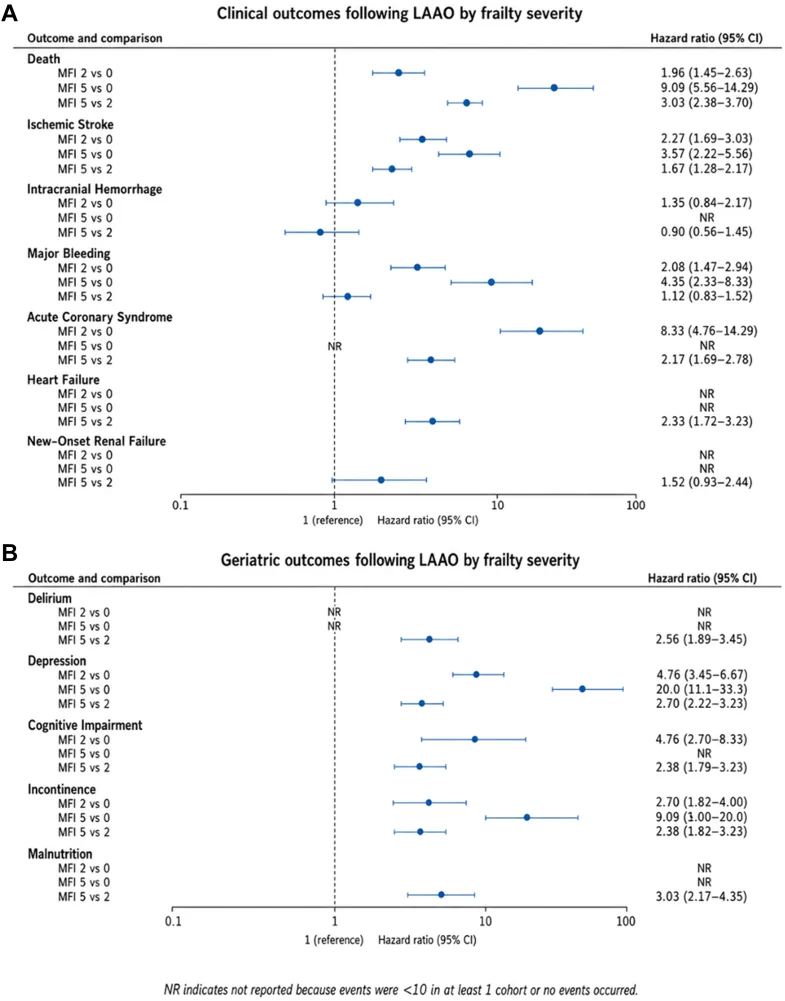
JACC AdvancesBadwan et al.Original Research
Frailty Severity Outcomes After Left Atrial Appendage Occlusion
Catheterization and Cardiovascular InterventionsJamil et al.cohort
Delirium after TAVR and other transcatheter structural interventions is linked to ~350% higher in-hospital mortality.
Delirium following transcatheter structural heart interventions is associated with significantly increased in-hospital mortality and resource utilization, highlighting the need for targeted geriatric risk stratification and prevention strategies.
Abdulla Damluji
Interventional Cardiology · Inova Health System
Having a heart attack is quite different at age 55 than at age 80. You can usually expect a younger patient to resume their previous life after recovery, but that is often not the case with an elderly patient. As people age, they are more likely to be contending with significant comorbidities and other problems of aging, requiring more than focused cardiovascular disease management to achieve good outcomes.
Establishing Cardiovascular Centers on Aging
JACC AdvancesDamluji et al.
ACC Journal Scan
Integrating cognitive function into a cardiovascular (CV) framework can help with guiding polypharmacy, deprescribing support, early capacity assessment, advance care planning, and delirium screening.
The Impact of Cognitive Impairment on Cardiovascular Disease
Journal of the American College of CardiologyJamil et al.
Journal of the Society for Cardiovascular Angiography & InterventionsAkman et al.Original Research
Percutaneous coronary intervention in older adults with chronic coronary disease lacks well-defined long-term clinical outcomes despite well-described short-term results.
Clinical investigation evaluates long-term outcomes following percutaneous coronary intervention in older adults with chronic coronary disease, highlighting the need for extended prognostic data.
CirculationSinha et al.Guideline

Evolution of Critical Care Cardiology: An Update on Structure, Care Delivery, Training, and Research Paradigms: A Scientific Statement From the American Heart Association
Informs revised CICU staffing, training, and care models for complex patients; extends foundational paradigms by integrating technology and research innovation.
Krishnaswami et al.cross-sectional
Coronary revascularization in older ACS patients is linked to ~6 percentage points lower dementia prevalence.
Dementia prevalence varies by revascularization strategy in older ACS patients; may reflect selection and leaves open effects on eligibility or outcomes.
Circulation Heart FailureDamluji et al.RCT
Elevated CRP is linked to ~79m greater walking distance improvement after rehabilitation in older HF patients.
CRP ≥9.9 mg/L may identify older HF patients deriving greatest rehab gains; extends biomarker data to treatment-response prediction.
Interdisciplinary CardioVascular and Thoracic SurgeryMoheb et al.cohort
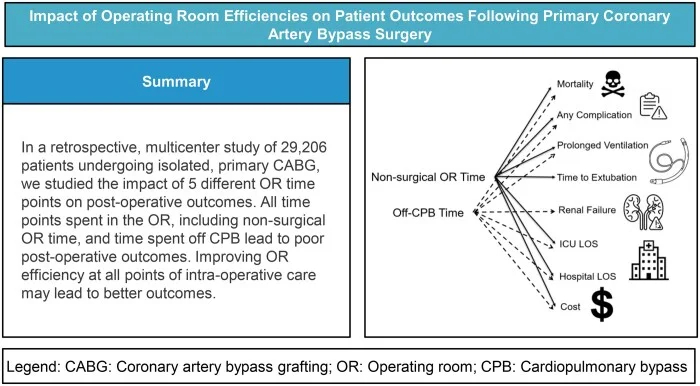
Each additional 15 minutes of CABG operating room time is linked to higher morbidity and mortality.
Prolonged operating room times, including non-surgical times, are independently associated with increased morbidity, mortality, and healthcare costs following primary CABG.
JACC AdvancesKalra et al.Review

Skeletal Muscle-Cardiac Muscle Aging
Review highlights shared mechanisms driving skeletal and cardiac muscle aging and outlines targeted interventions, indicating potential strategies to counteract physical decline.
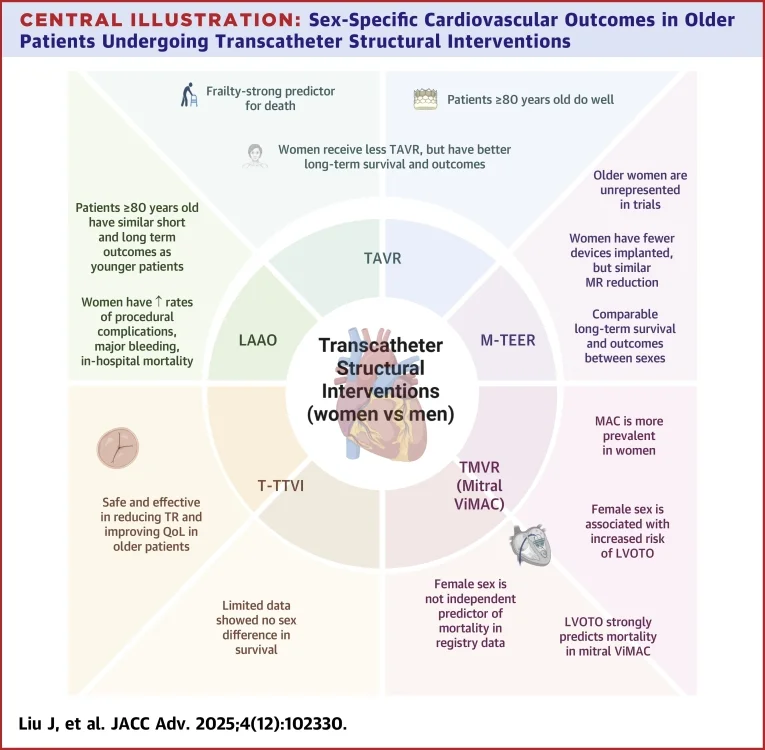
JACC AdvancesLiu et al.review
While older women undergoing transcatheter structural interventions often have higher short-term periprocedural complications (such as vascular complications and bleeding) due to anatomical challenges, they generally achieve comparable or better long-term survival compared to men.
Requires sex-specific planning for transcatheter interventions in older adults; leaves open critical evidence gaps in outcomes.